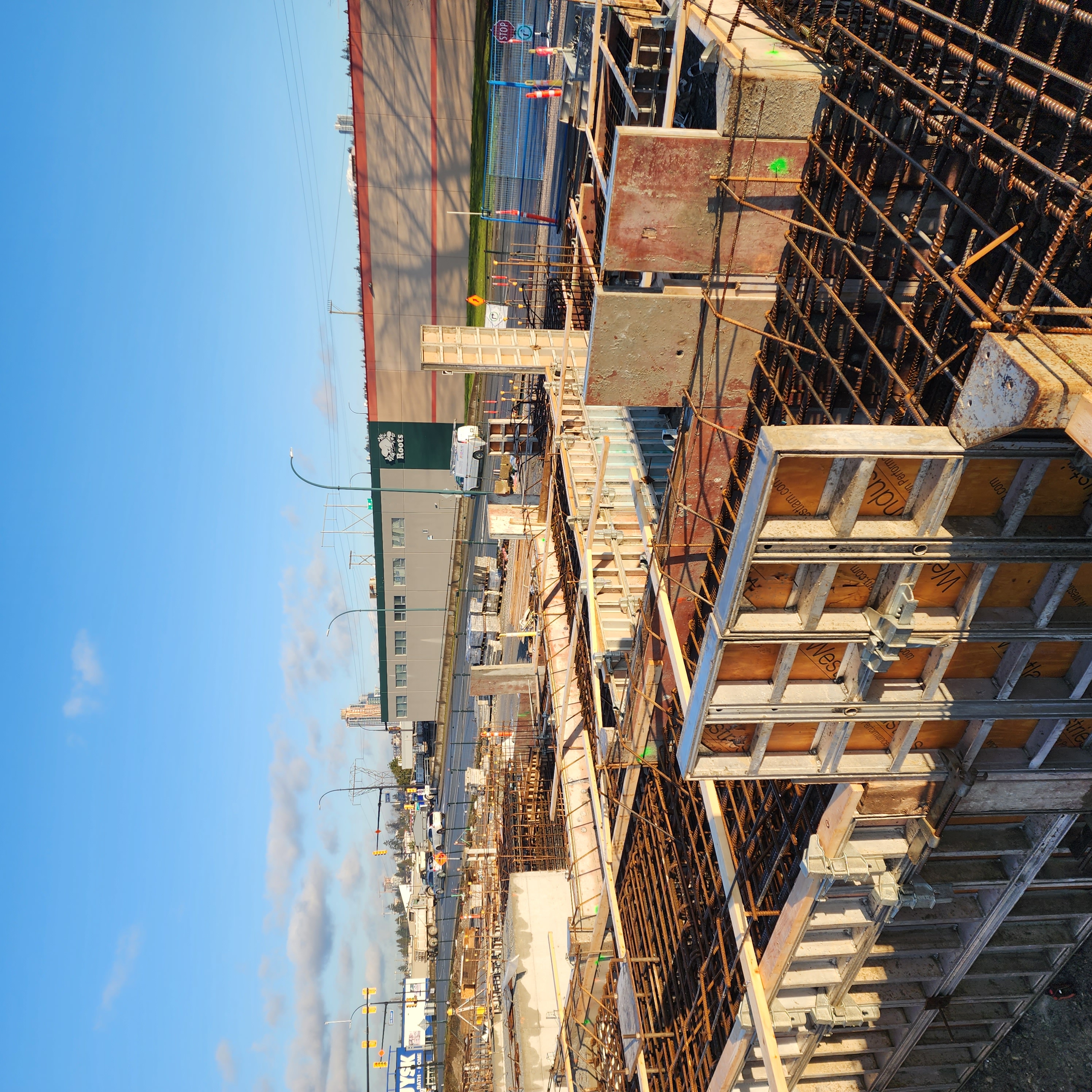
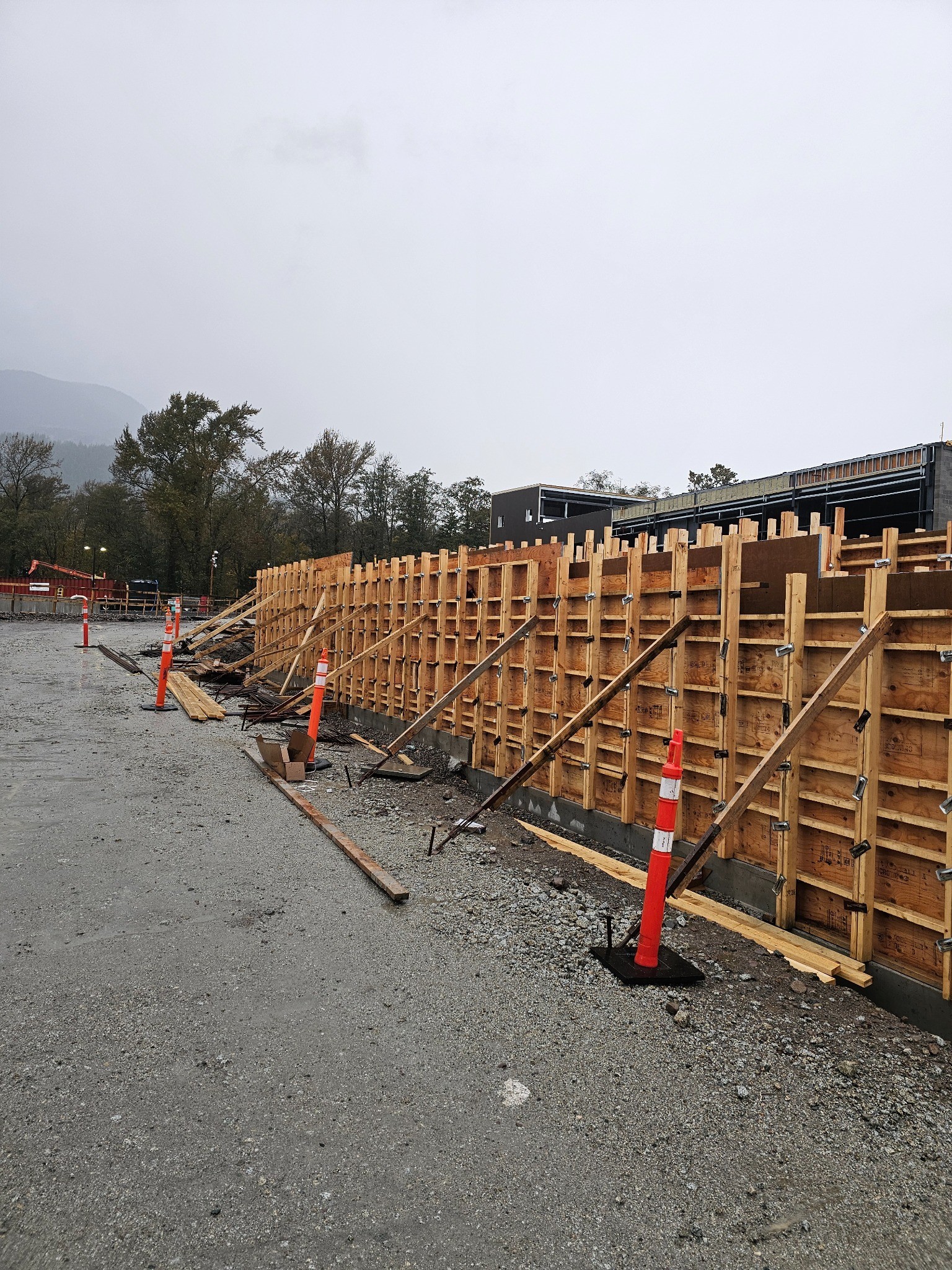
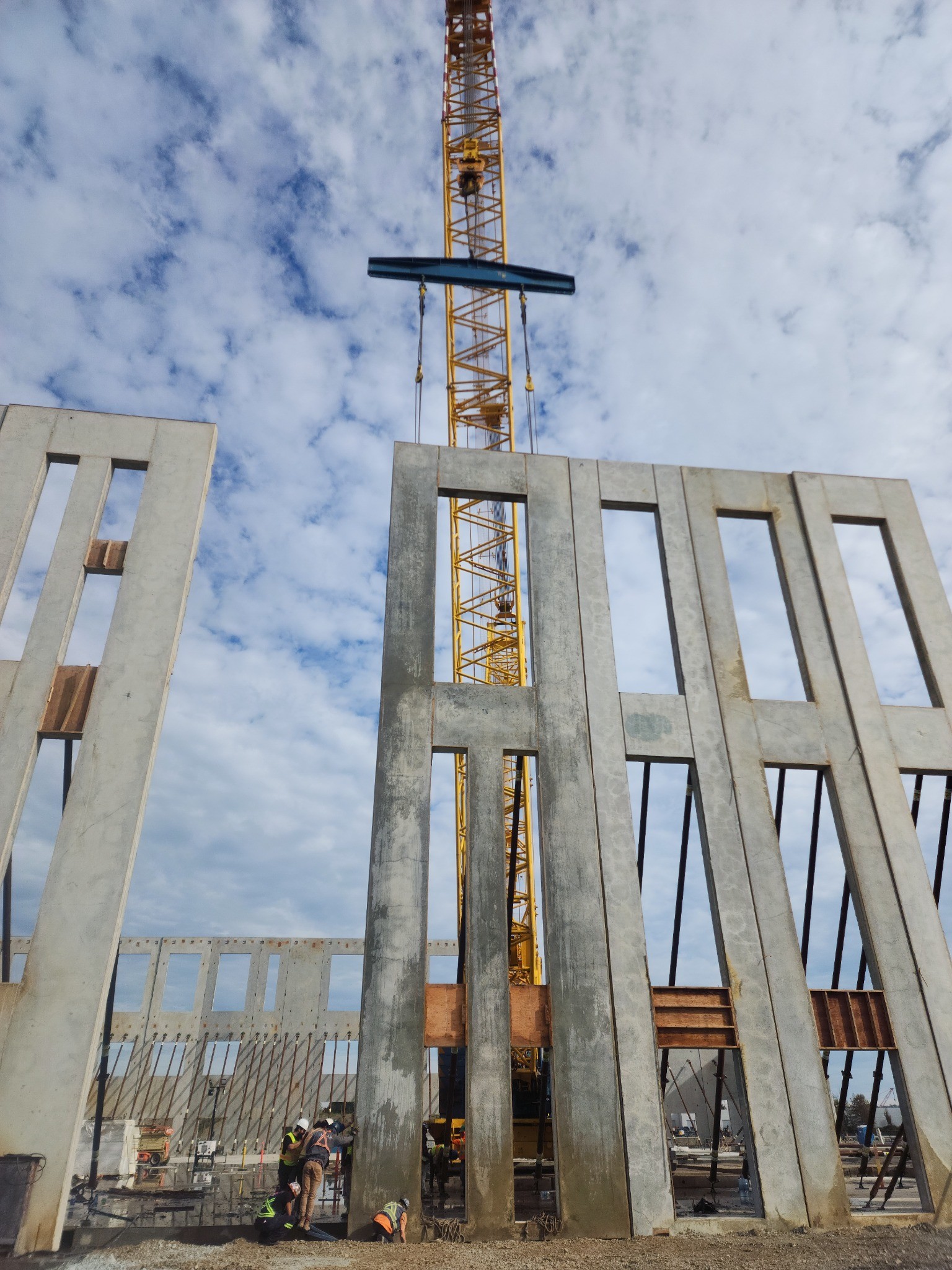
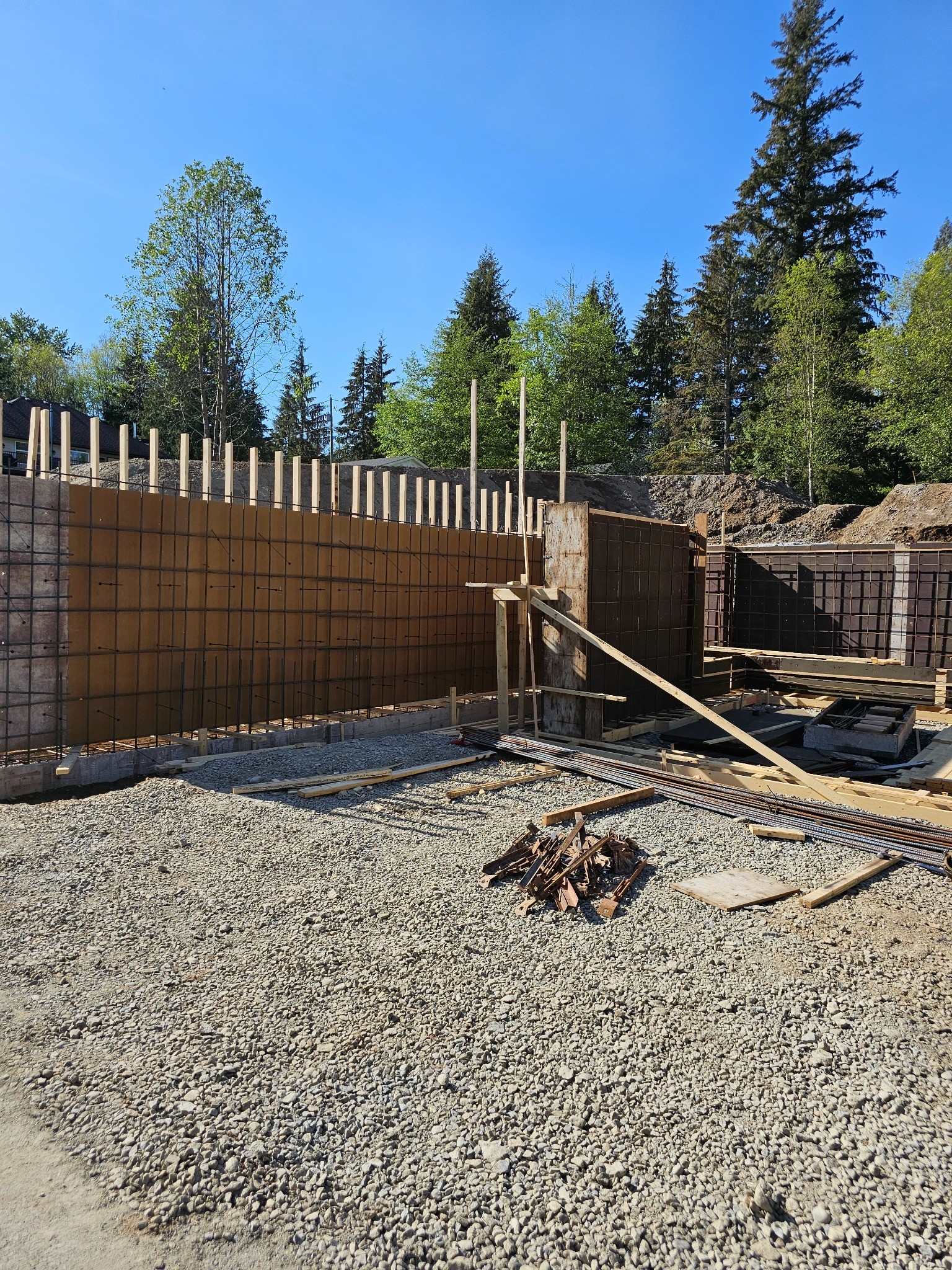
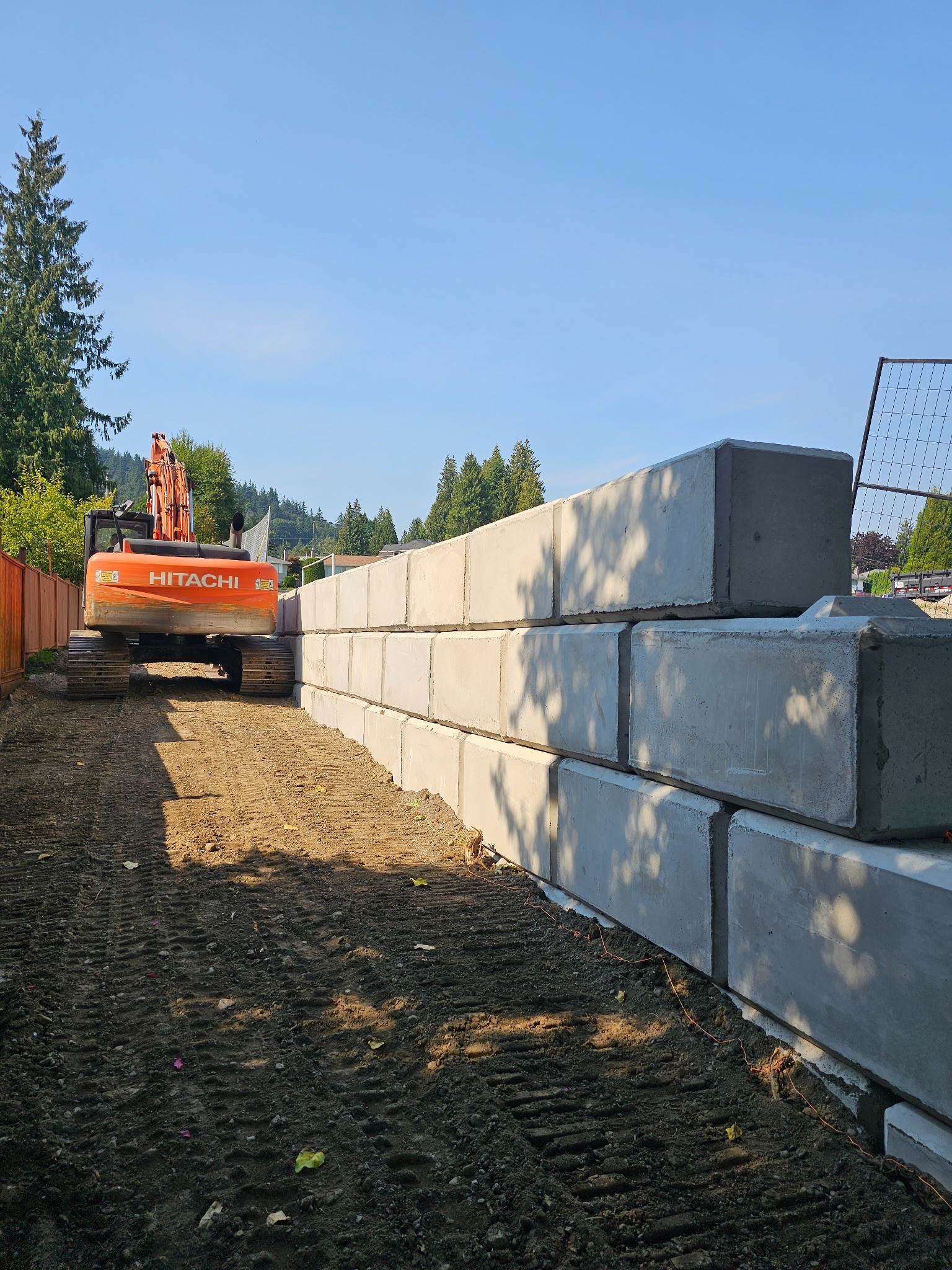
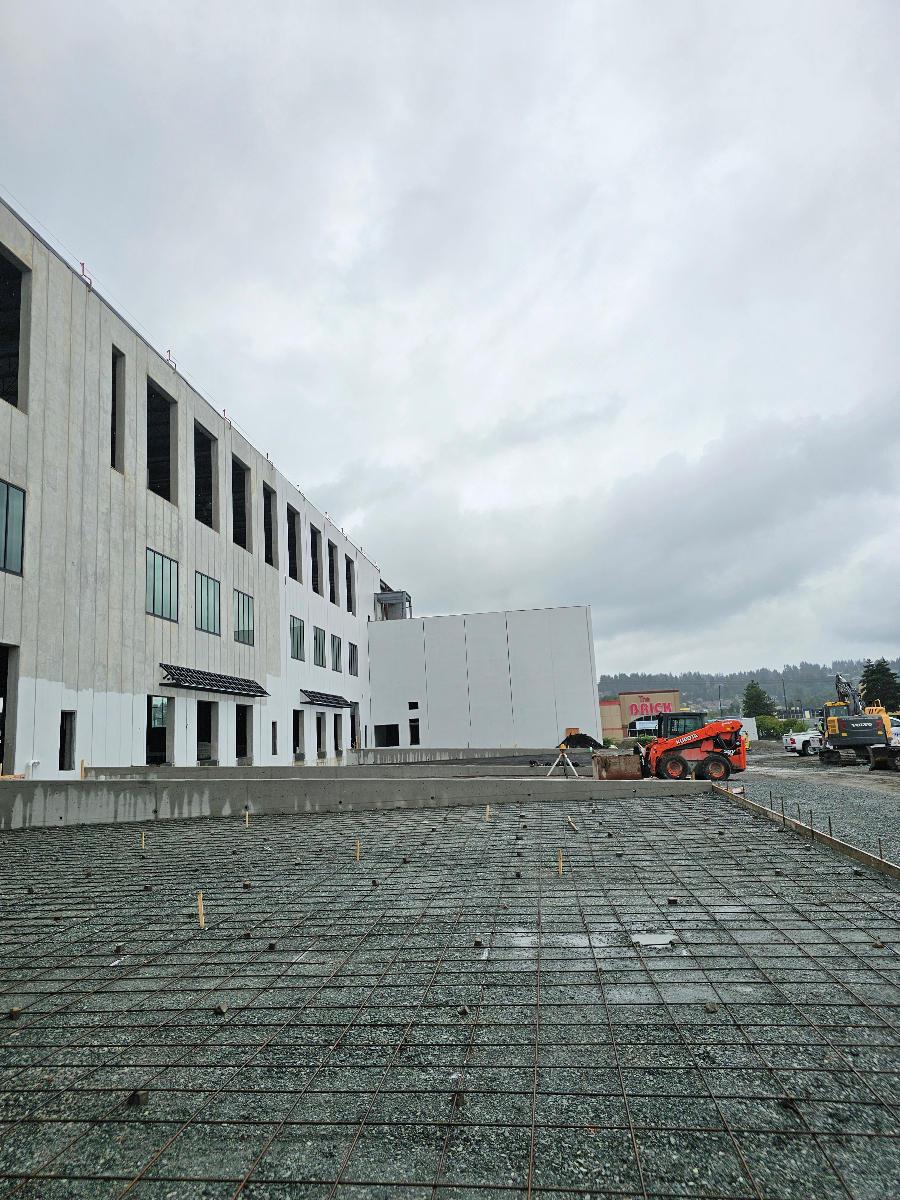
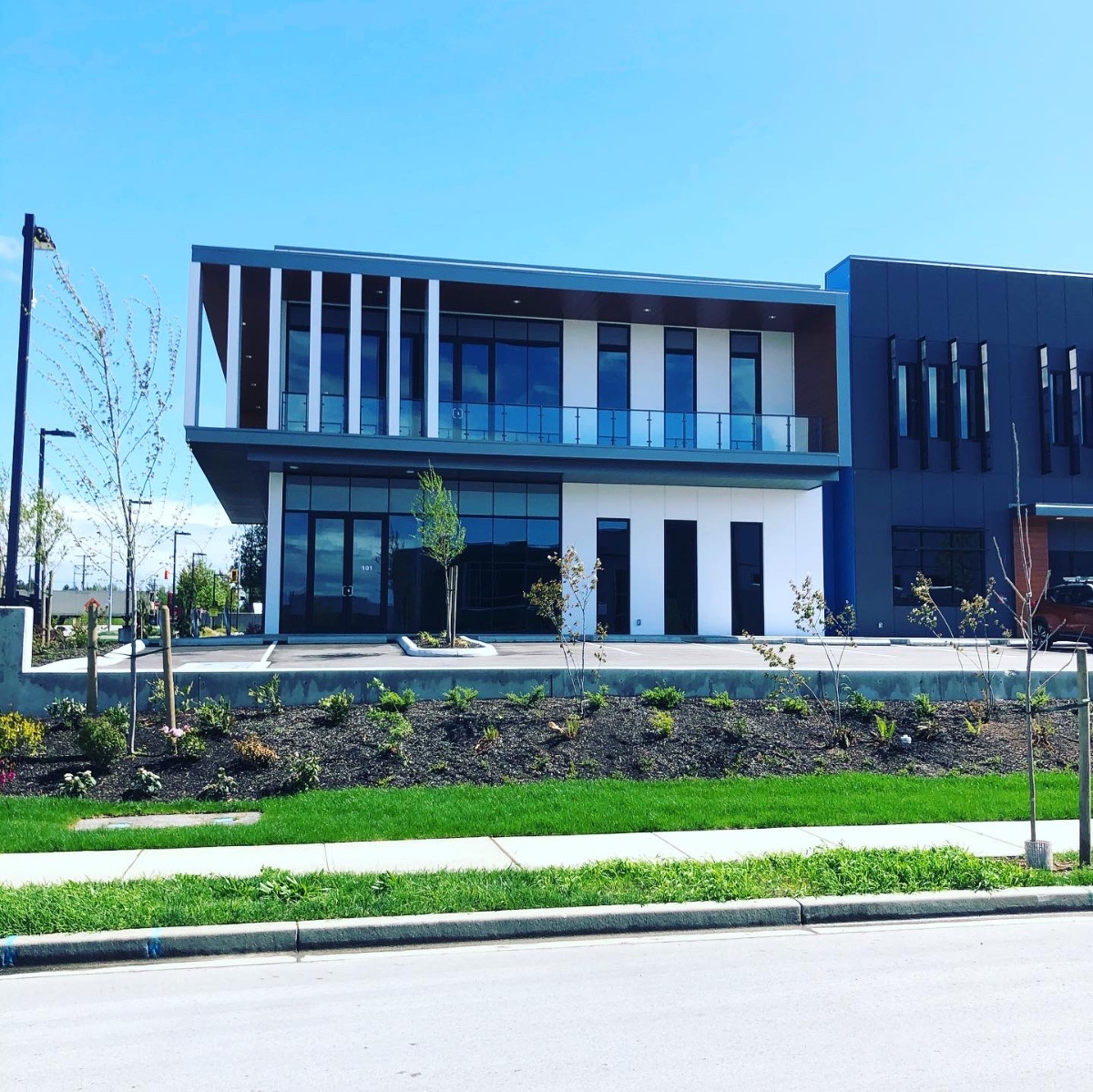
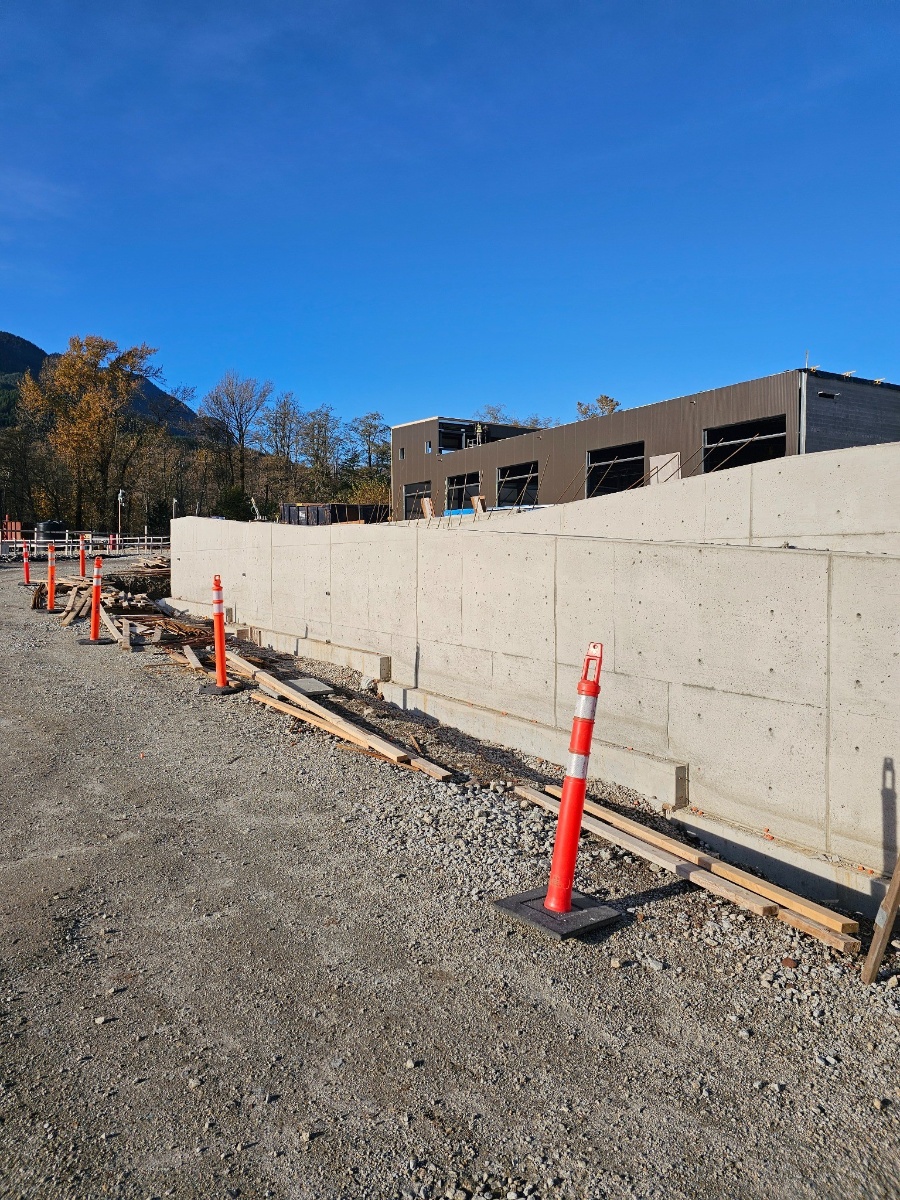
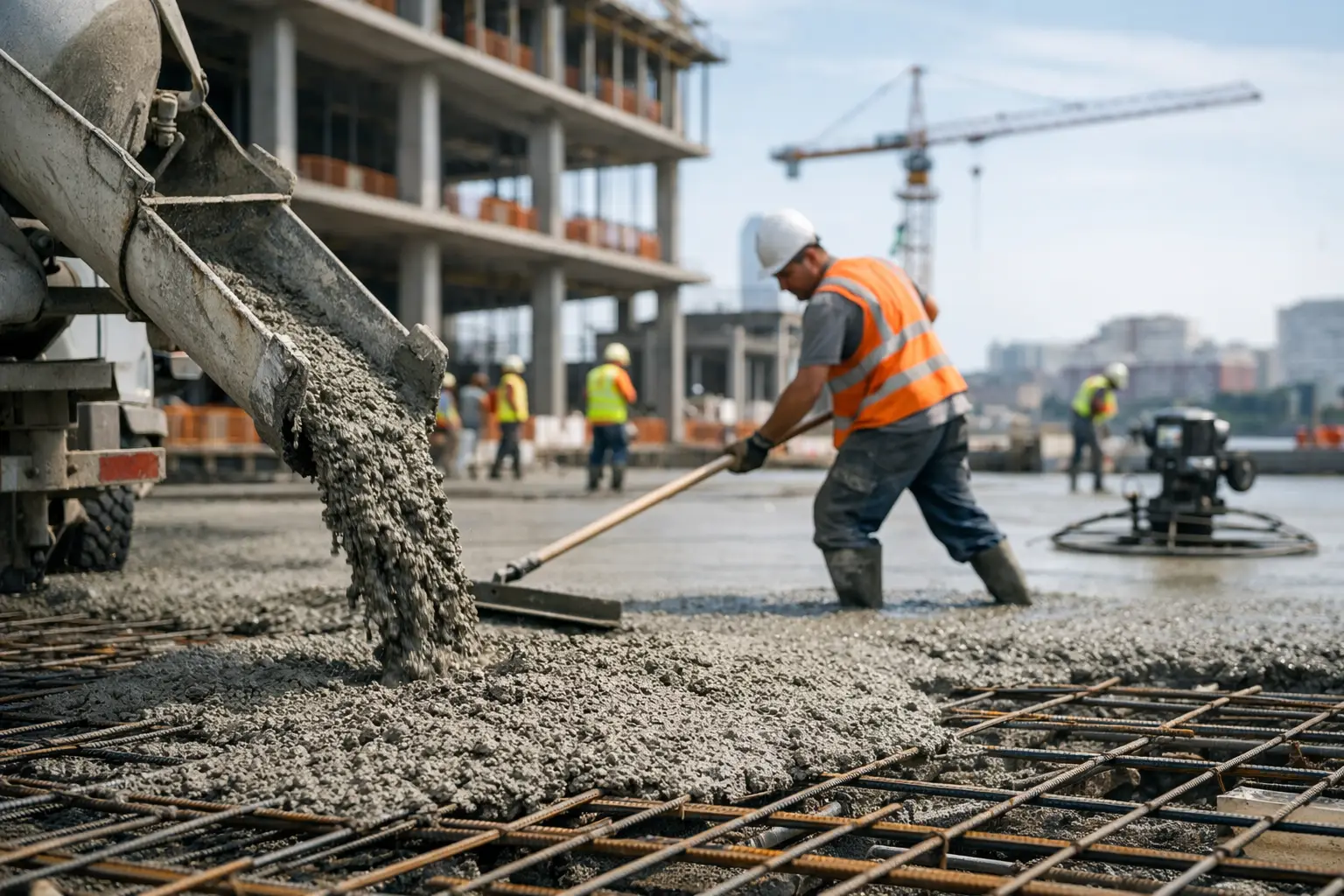
A warehouse slab that carries forklifts all day is not poured to the same standard as a backyard patio. That difference gets to the heart of what is commercial concrete: concrete designed, formed, and placed for buildings and sites that face heavier loads, stricter code requirements, tighter tolerances, and more demanding use over time.
Commercial concrete is used in offices, retail buildings, warehouses, parking structures, mixed-use developments, schools, and many other non-residential projects. In some cases, it also applies to multi-unit and institutional construction where structural performance, access, traffic, and durability requirements go well beyond typical residential work. The concrete itself may look similar at first glance, but the design criteria, reinforcement, forming, finishing, and quality control are usually more complex.
What Is Commercial Concrete in Practice?
In practical terms, commercial concrete refers to concrete work built for business, public, industrial, or large-scale multi-use environments. That includes slabs, footings, foundations, retaining walls, suspended decks, grade beams, columns, stairs, curbs, and loading areas. The key distinction is not just the project type. It is the performance expectation.
A commercial slab may need to support constant vehicle traffic, racking systems, equipment, or tenant improvements. A foundation wall may need to meet engineering specifications for height, reinforcement, waterproofing coordination, and exact dimensions because every trade that follows depends on it. On these projects, precision in the forming stage matters just as much as the concrete mix itself.
That is why commercial concrete should be understood as a system, not just a material. Mix design, rebar placement, formwork, embedments, joint layout, curing, and inspection all work together. If one part is off, the finished structure can create problems for framing, steel, mechanical systems, flooring, or long-term building performance.
How Commercial Concrete Differs From Residential Concrete
The biggest difference is demand. Residential concrete is often used for driveways, sidewalks, garage slabs, basement floors, and smaller foundations. Commercial concrete typically serves larger structures with higher loads, more traffic, stricter engineering, and broader liability.
That affects everything from planning to execution. Commercial projects are more likely to involve engineered drawings, special inspection requirements, coordinated schedules with multiple trades, and tighter dimensional standards. The formwork often has to account for more complex geometry, heavier reinforcement, slab flatness requirements, and multiple penetrations or embedded items.
There is also less room for field improvisation. On a small residential pour, minor adjustments can sometimes be managed without major project impact. On a commercial site, even a small forming error can delay steel installation, throw off wall lines, affect elevator or stair cores, or create expensive correction work. Precision is not a selling point here. It is a project requirement.
Common Uses for Commercial Concrete
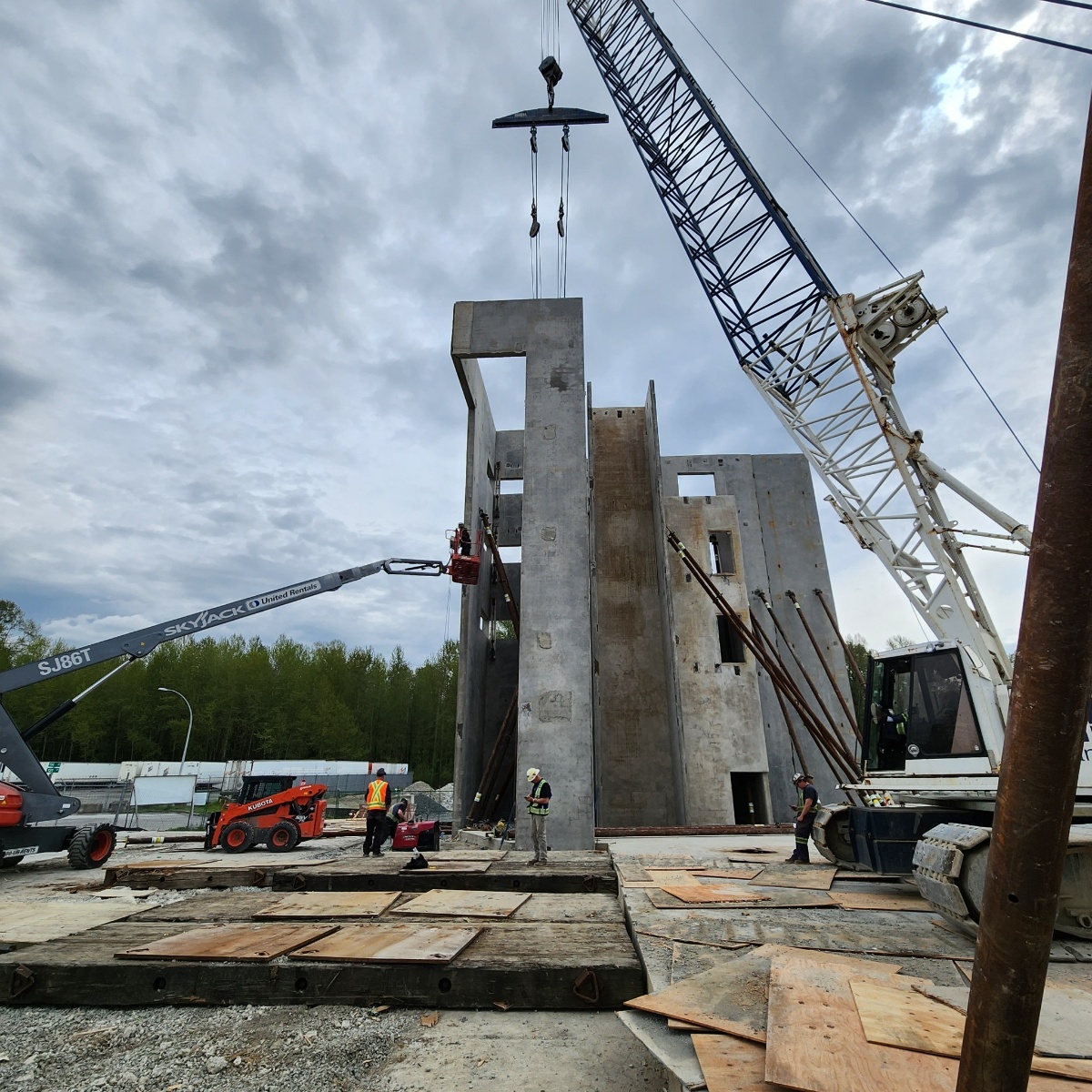
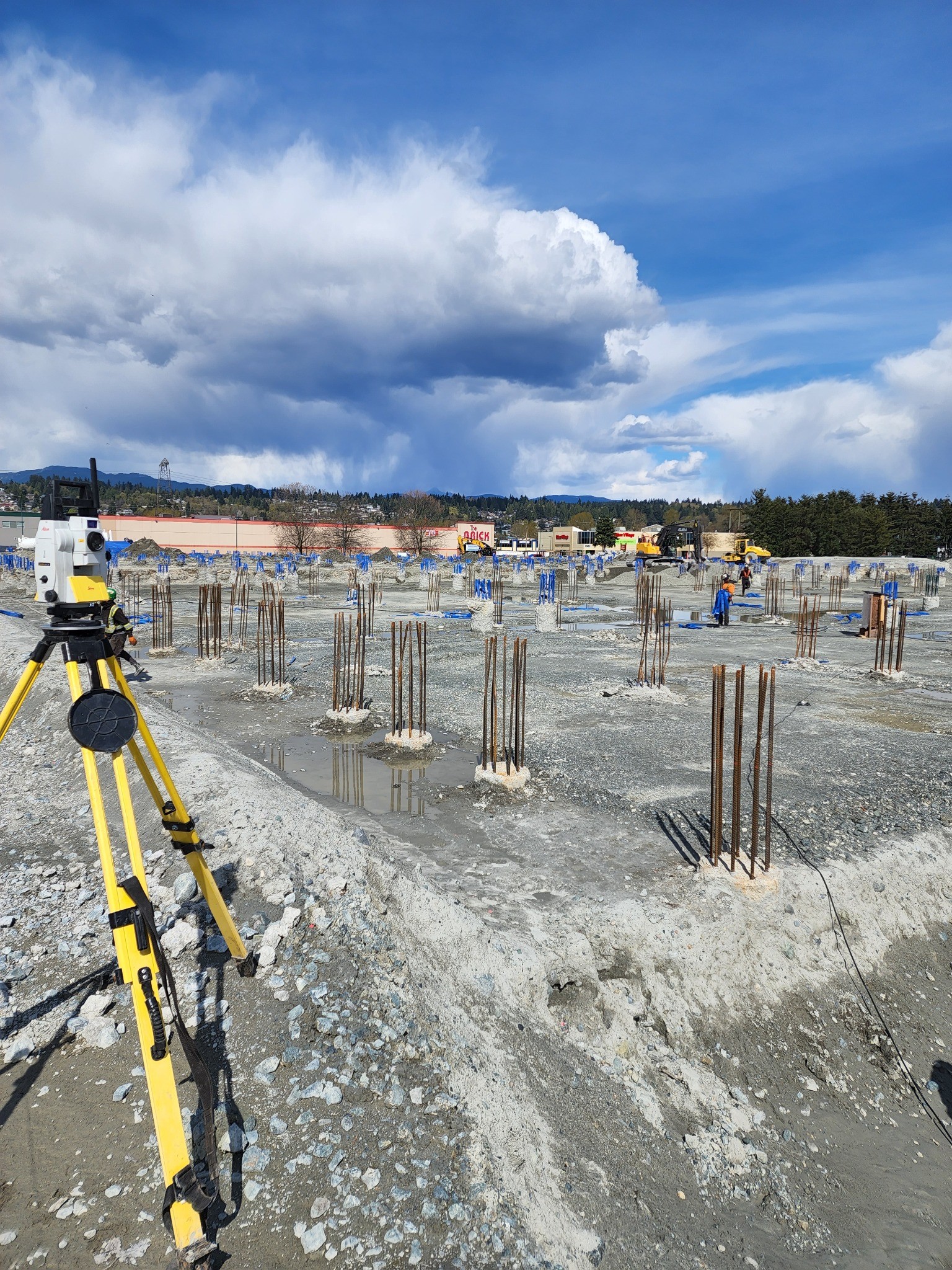
Commercial concrete appears across nearly every stage of structural construction. Foundations are a major category, including spread footings, strip footings, pile caps, and foundation walls. These elements carry building loads into the ground and must be formed and placed accurately to match the structural design.
Slabs are another major application. That can mean slab-on-grade for retail or warehouse use, suspended slabs in multi-level buildings, or housekeeping pads for equipment. The slab design depends on load conditions, reinforcement, vapor control, finish requirements, and how the space will actually be used.
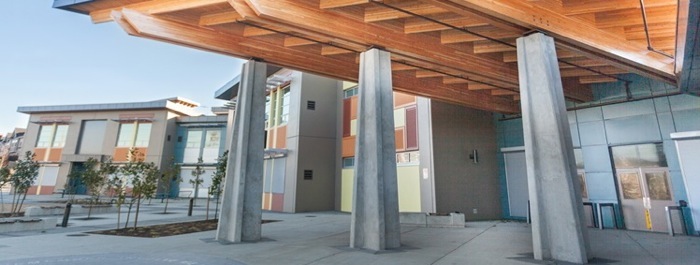
Vertical concrete elements are also common in commercial work. Walls, columns, shear walls, and elevator cores all require careful forming to maintain line, plumb, and structural dimensions. On larger builds, these elements often tie directly into the building's lateral system, so tolerances matter.
Site-related concrete work can also fall into the commercial category. Curbs, ramps, loading docks, stairs, sidewalks, and retaining walls all need to perform under weather exposure, drainage demands, and regular traffic. In many cases, these are not secondary details. They are part of how the site functions every day.
Why Strength Alone Is Not the Whole Story
When people ask what is commercial concrete, they often assume the answer is simply stronger concrete. Strength is part of it, but it is not the full picture.
Compressive strength matters because commercial structures often carry greater loads. But a successful commercial pour also depends on proper reinforcement, subgrade preparation, form stability, layout accuracy, curing conditions, and finish quality. A high-strength mix will not fix poor forming or incorrect rebar placement.
There are also trade-offs. A mix designed for higher strength may behave differently during placement and finishing. Faster schedules can increase pressure on forming crews and finishing teams. Large pours may create challenges with access, weather, pump coordination, and curing consistency. Good results come from matching the material and method to the actual project conditions, not from over-specifying one number on paper.
The Role of Formwork in Commercial Concrete
Formwork is one of the most important parts of any commercial concrete project, especially for structural work. Before concrete is placed, forms establish the shape, dimensions, alignment, and support needed to hold the material in position until it gains strength.
On commercial jobs, formwork has to do more than contain wet concrete. It must hold under load, maintain tolerances, allow for reinforcement and embedments, and support efficient sequencing on site. If wall forms shift, slab edges are out of line, or column dimensions are off, those errors carry forward into every trade that follows.
This is where specialist concrete forming contractors add real value. Accurate layout, clean form assembly, solid bracing, and disciplined execution reduce rework and protect the structural intent of the design. For developers, builders, and project managers, that translates into fewer downstream conflicts and more predictable project progress.
At Keystone Construction Ltd., that precision-driven approach is central to how structural concrete work gets delivered correctly from the start.
What Affects Commercial Concrete Performance?
Several factors shape how commercial concrete performs over time. Load demand is a major one. A decorative exterior slab and a warehouse floor may both be concrete, but they are built for very different service conditions.
Exposure also matters. Freeze-thaw cycles, moisture, deicing salts, chemicals, and heavy wear can all affect durability. In colder climates, exterior concrete may need air entrainment and specific curing practices to help it hold up over time. Interior slabs may require tighter surface tolerances depending on flooring systems or equipment use.
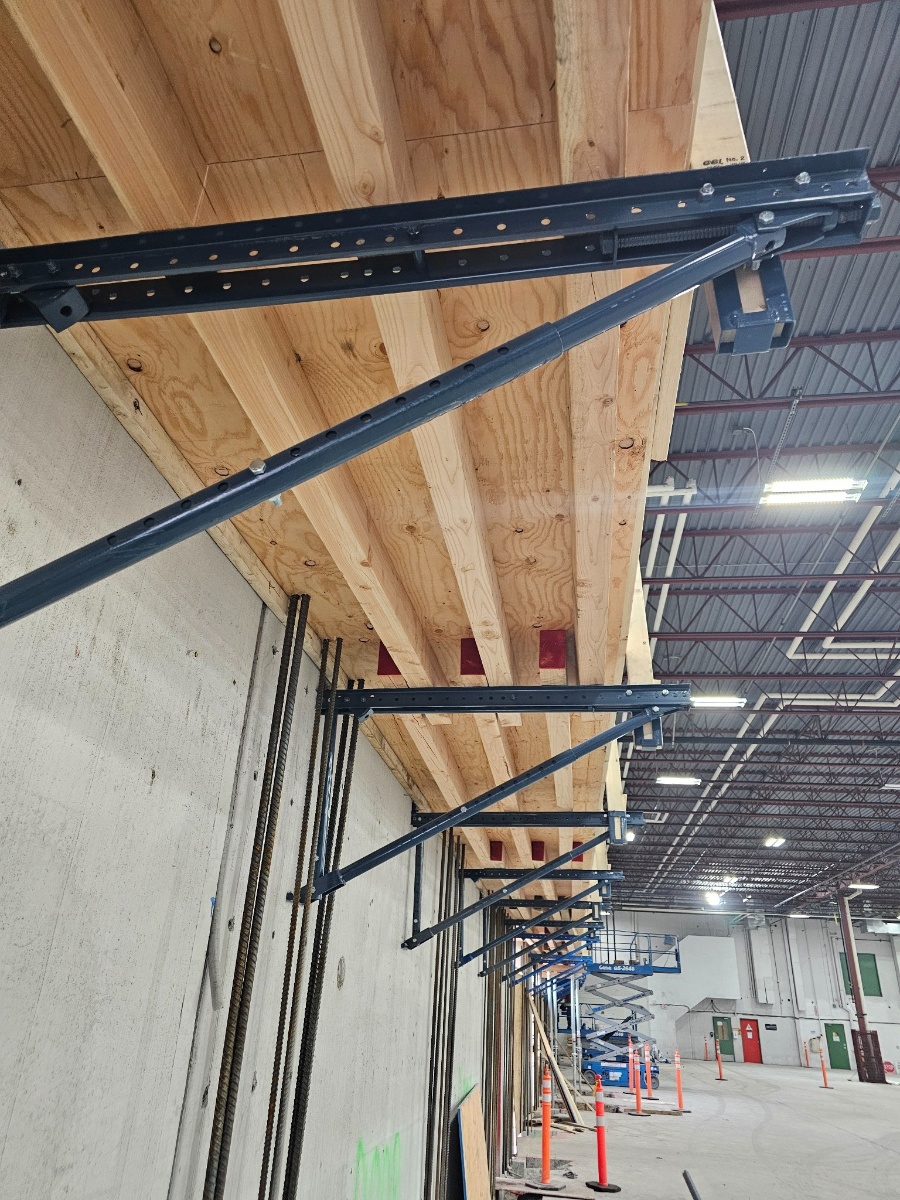
Another factor is construction coordination. Concrete work often needs to align with structural steel, anchor bolts, underground services, waterproofing, and future tenant requirements. The more complex the building, the more the concrete scope depends on exact planning and execution.
What to Look for in a Commercial Concrete Contractor
Not every concrete contractor is set up for commercial work. The demands are different, and so is the level of coordination required.
A qualified commercial contractor should understand drawings, reinforcement details, forming tolerances, sequencing, and site logistics. They should also be able to communicate clearly with general contractors, engineers, inspectors, and other trades. Commercial projects move on schedules, and delays at the concrete stage can affect the entire build.
It also helps to look at specialization. A contractor focused on structural concrete forming brings a different level of discipline than a company that mainly handles flatwork or smaller residential pours. For foundations, walls, columns, and structural slabs, forming accuracy has direct consequences for quality, safety, and schedule.
When the Answer Depends on the Project
There are gray areas. A large custom home with extensive retaining walls and engineered foundations may involve concrete work that is technically residential but executed with commercial-level complexity. A small storefront pad may be simpler than a multi-level parkade, even though both are commercial projects.
That is why the better question is not always just what is commercial concrete. It may be, what performance does this structure need, and what level of planning and forming accuracy will it take to build it properly?
That shift in thinking helps owners and builders make better decisions. Instead of treating concrete as a basic early-stage scope, they can treat it as a structural foundation for everything that follows.
Commercial concrete is not defined by appearance alone. It is defined by use, engineering, tolerances, and the consequences of getting it wrong. When the work is planned carefully and formed with precision, the rest of the project has a much stronger place to start.