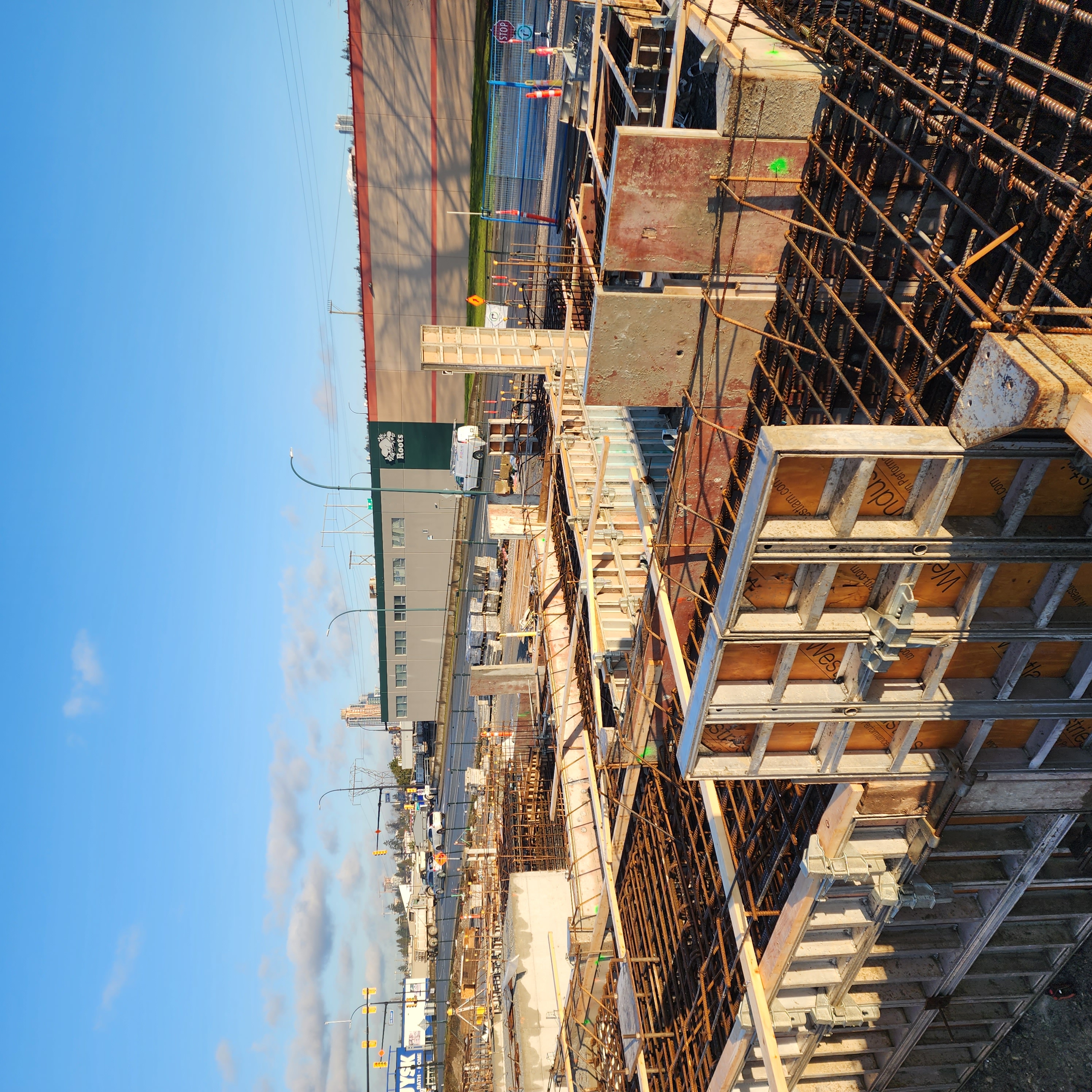
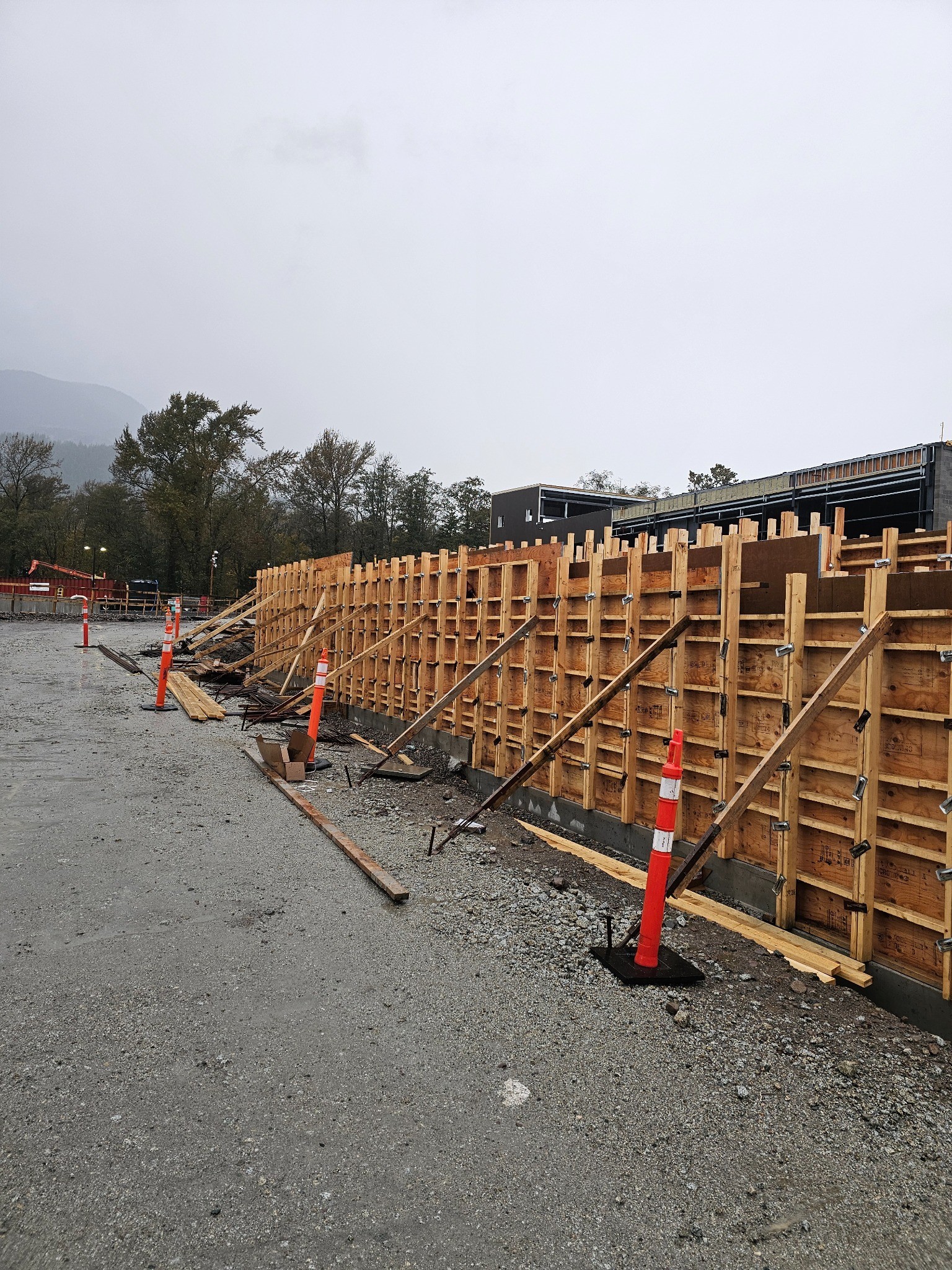
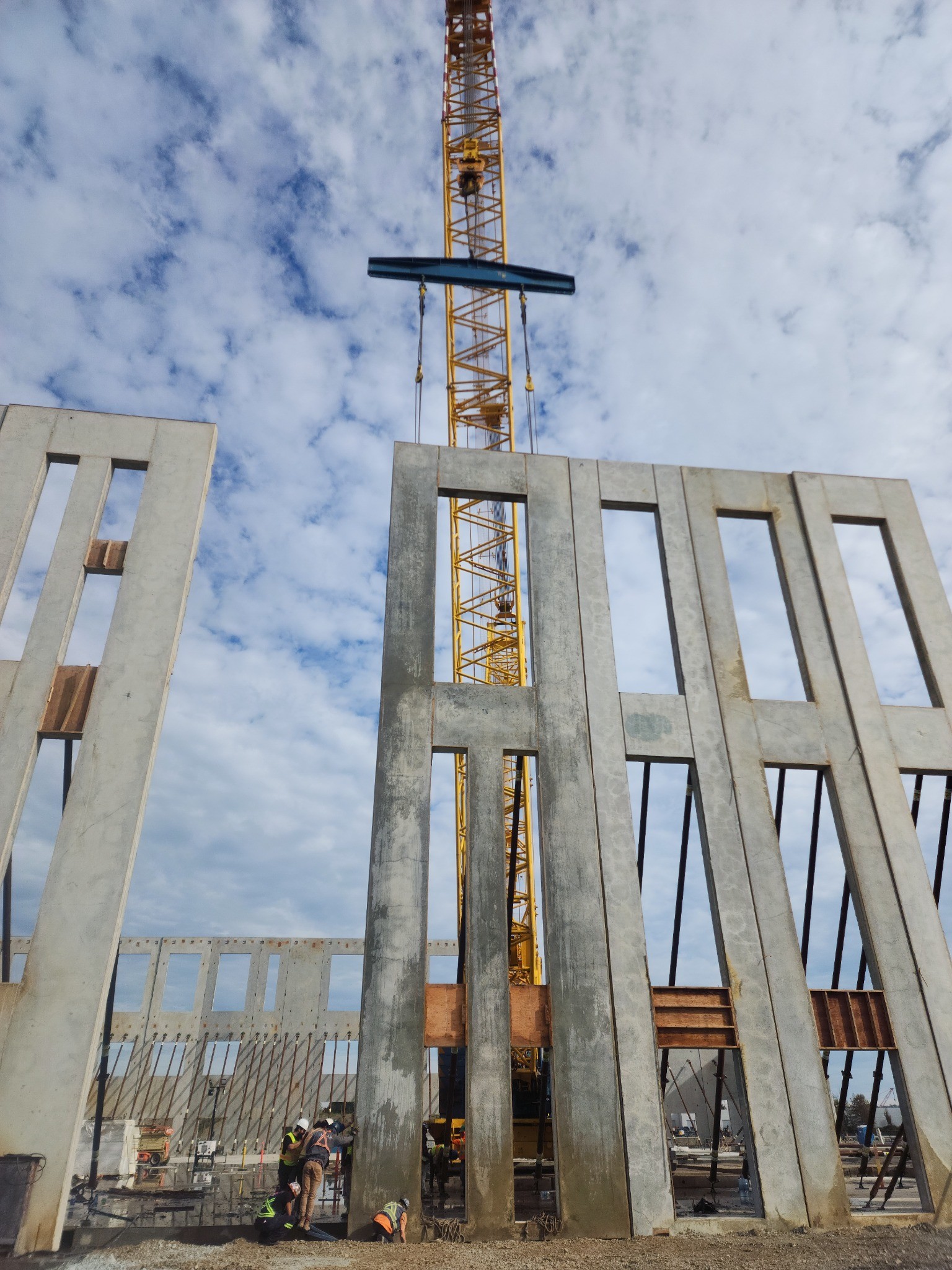
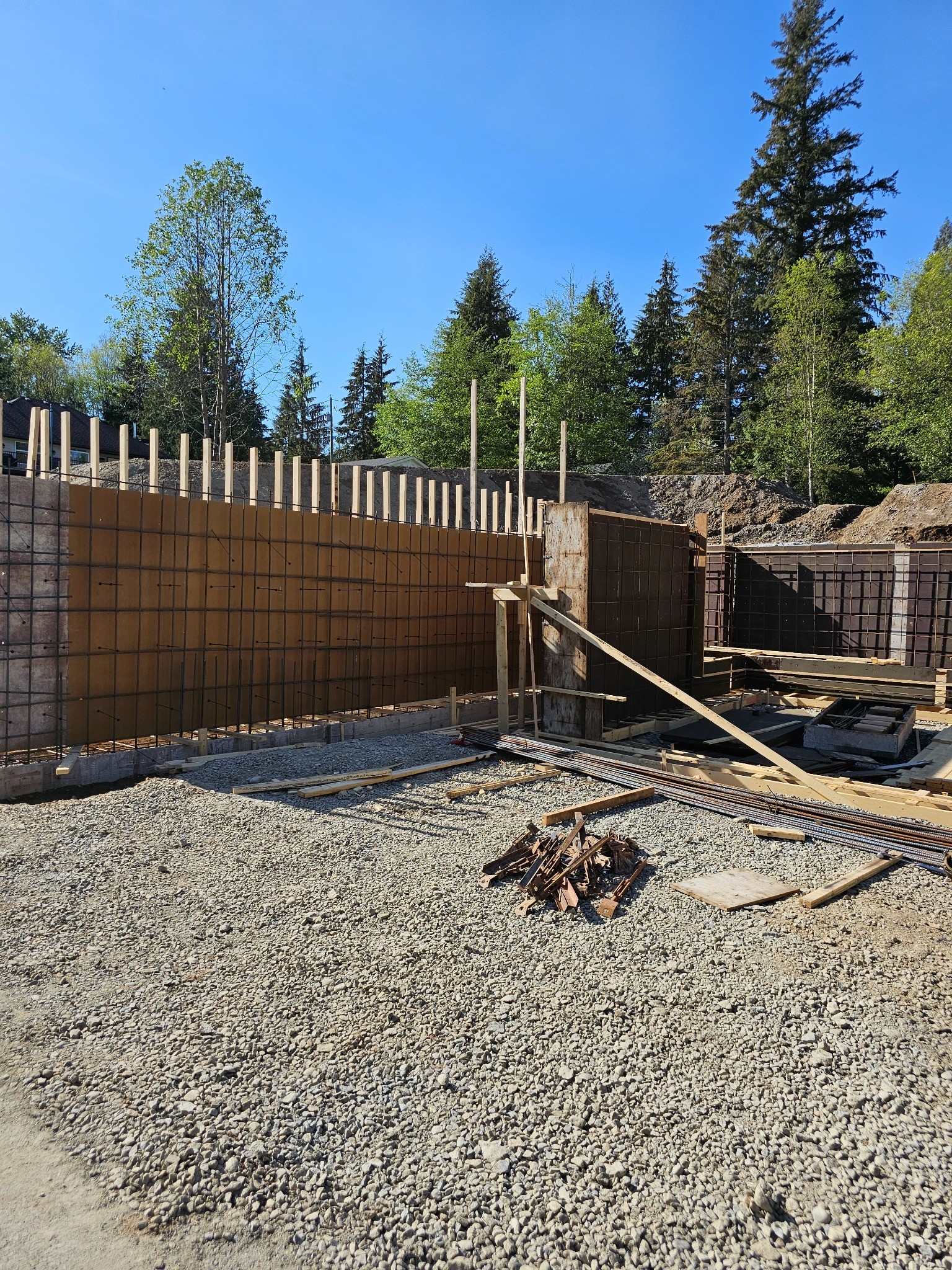
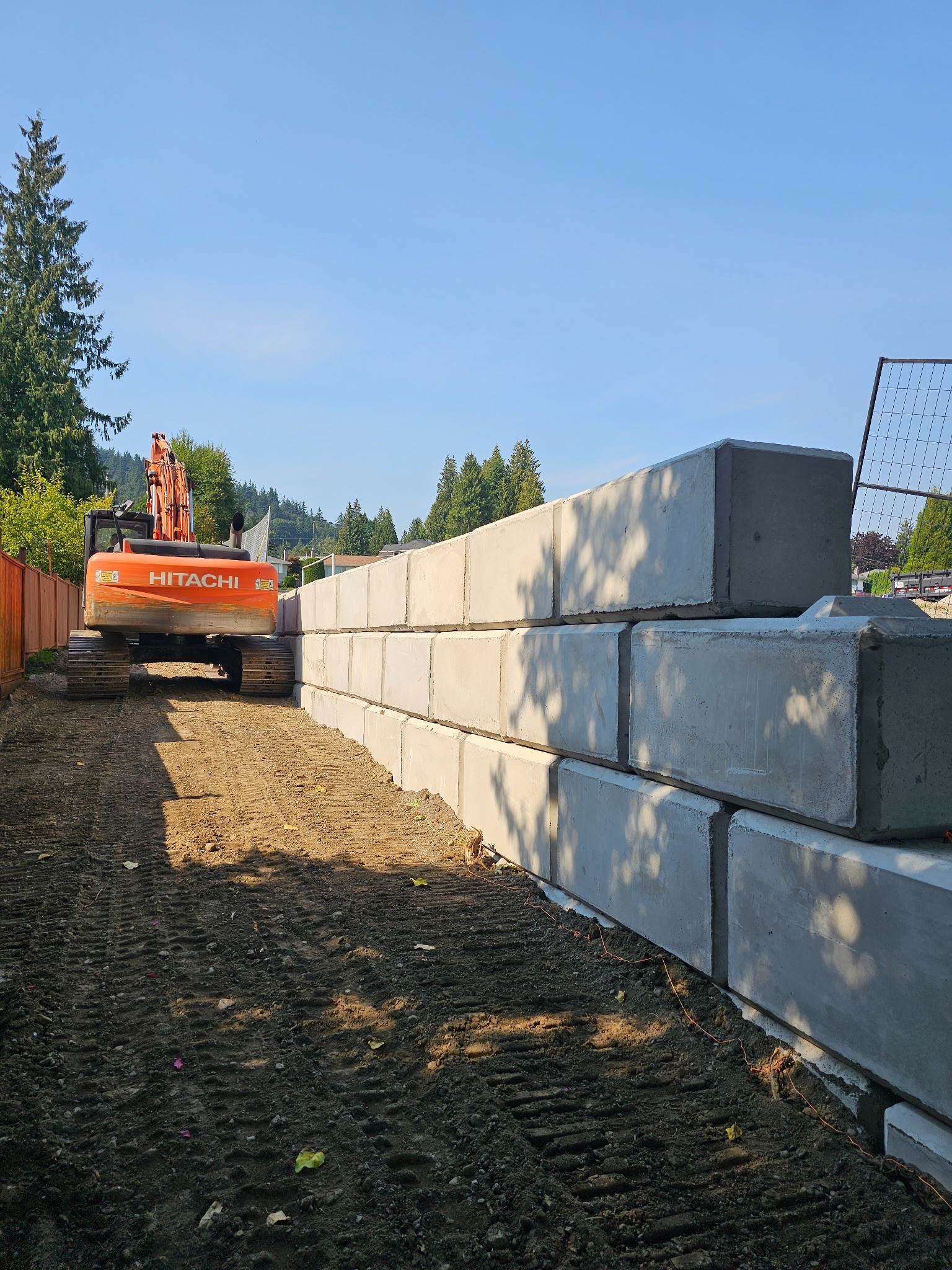
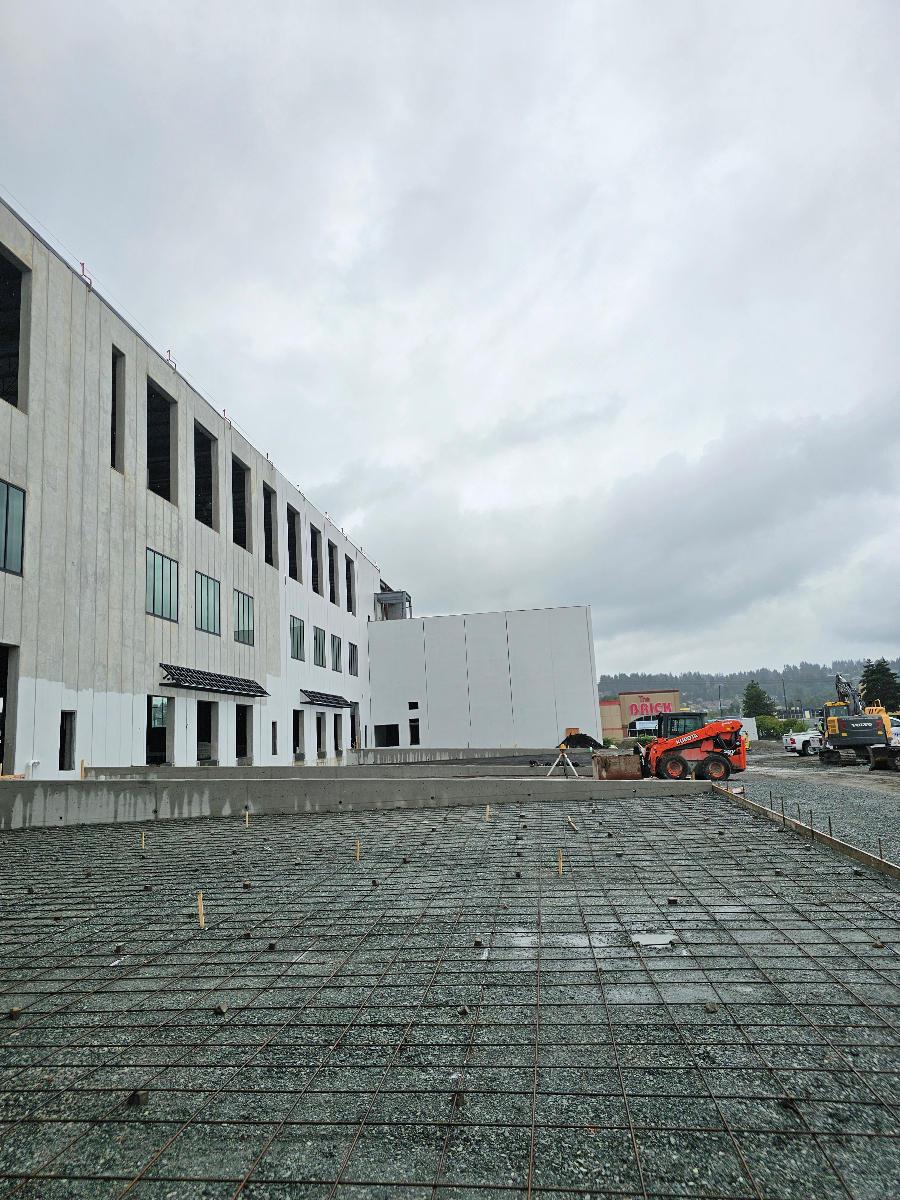
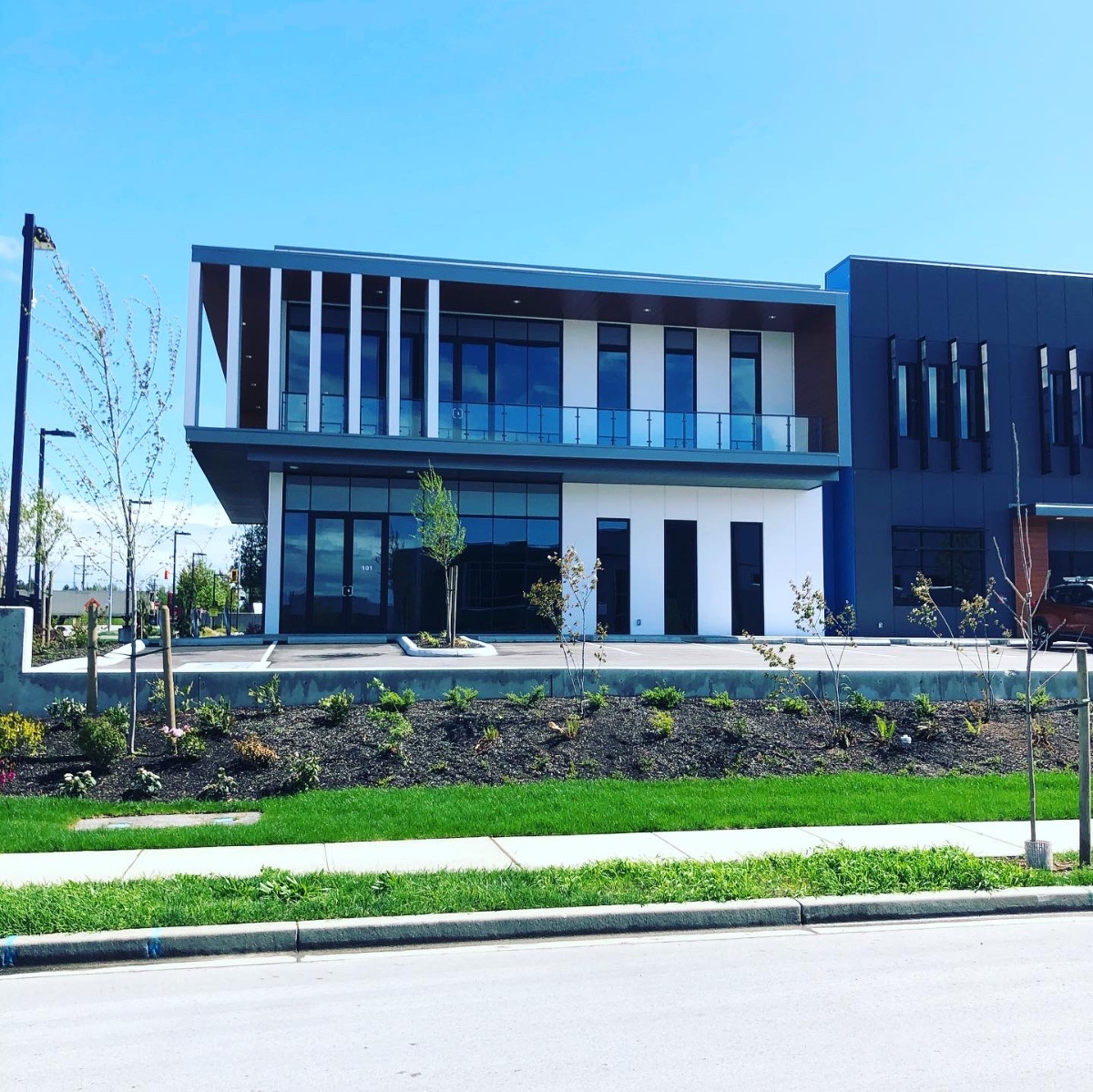
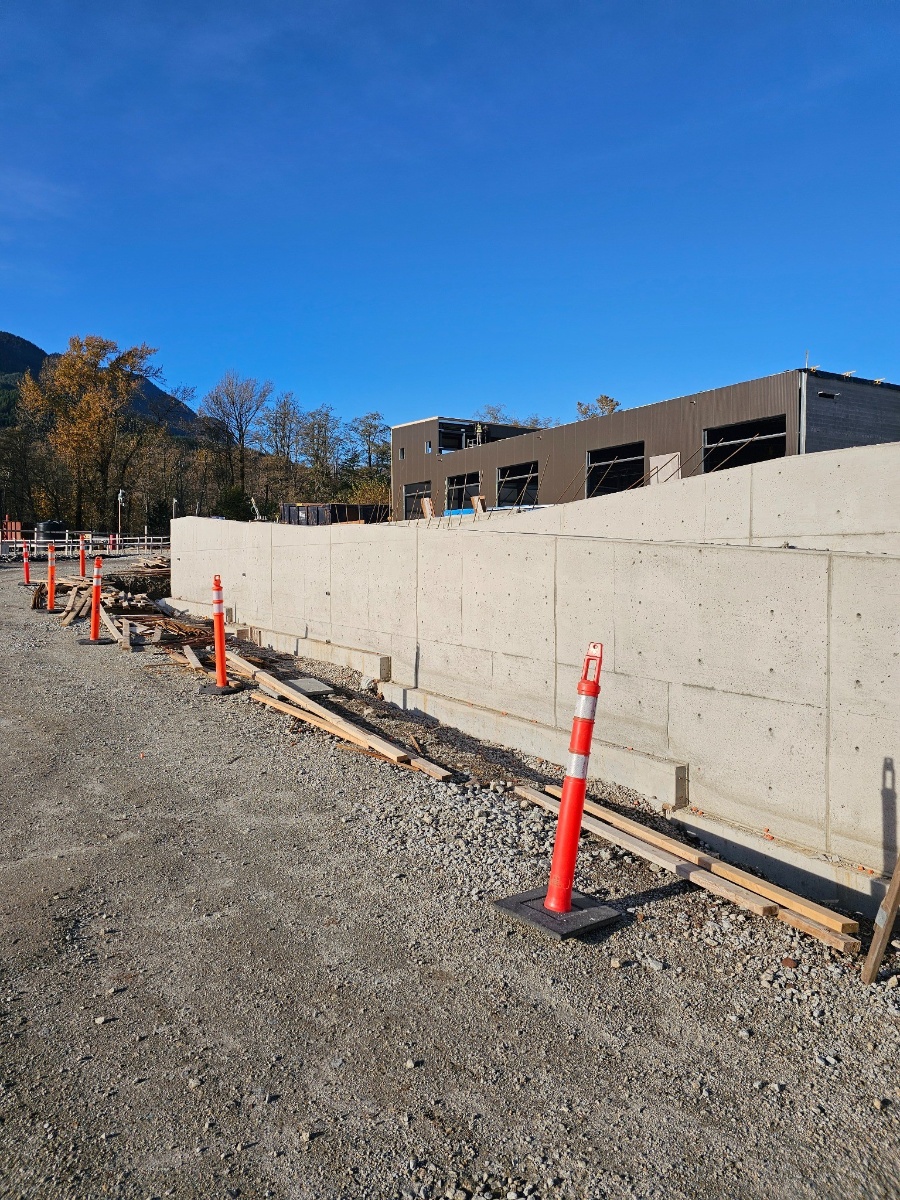
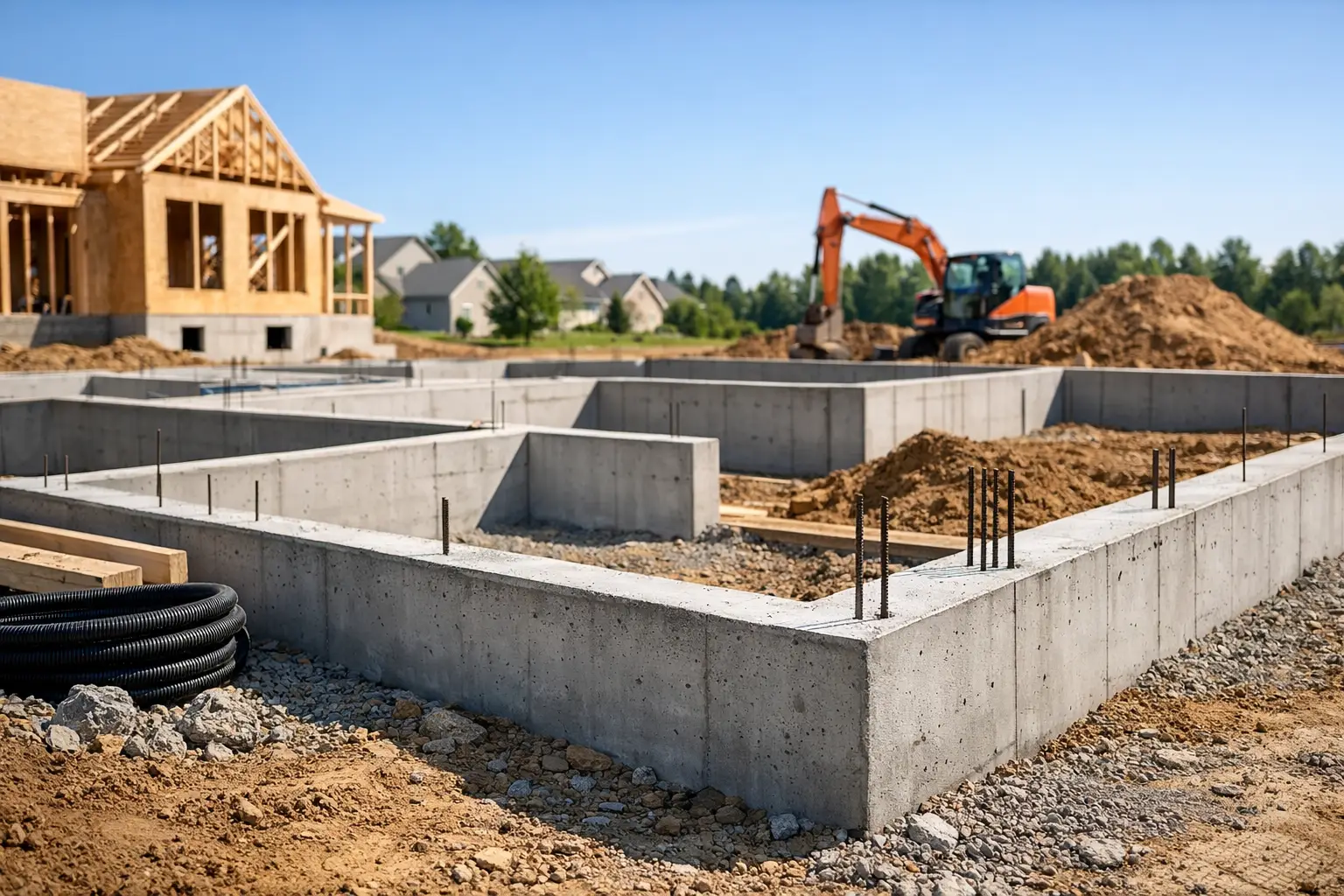
A foundation is not the place to correct mistakes later. Once concrete is placed, every layout decision, elevation check, and forming detail is locked into the structure. That is why residential construction foundations demand precision from the first excavation line to the final cure.
For homeowners, builders, and developers, the foundation sets more than the footprint of a house. It affects framing accuracy, slab performance, drainage behavior, and the long-term stability of the entire build. If the forming is off, downstream trades feel it immediately. Walls do not align cleanly, waterproofing becomes harder to execute, and schedules start absorbing delays that should never have happened.
What residential construction foundations need to do
A residential foundation carries structural loads safely into the ground, but that is only part of the job. It also has to respond to soil conditions, groundwater, frost depth, site grading, and the design of the building above it. In practical terms, that means the foundation must be placed accurately, reinforced correctly, and formed to the dimensions required by plan and code.
Different homes call for different foundation systems. A detached house with a full basement has different forming and drainage demands than a garage slab or a crawl space addition. Sloped sites add another layer of complexity because stepped footings, retaining conditions, and elevation control become critical. There is no one-size-fits-all foundation approach. The right system depends on the structure, the site, and how the loads move through the build.
Common types of residential construction foundations
In most residential work, the foundation system falls into a few familiar categories. Poured concrete basement foundations are common where below-grade living space or mechanical room access is part of the design. Crawl space foundations are often used where full basements are not necessary, but the structure still needs raised support and service access. Slab-on-grade construction is common for garages, smaller homes, laneway houses, and some additions, particularly where design and site conditions support it.
Each option comes with trade-offs. A basement foundation offers usable space and strong support, but it requires more excavation, more wall forming, and more attention to drainage and waterproofing. A crawl space can reduce excavation volume, but access, ventilation, and insulation strategy have to be planned properly. Slab-on-grade can be efficient and cost-effective, but subgrade preparation becomes even more important because the slab depends heavily on uniform support.
The key point is not which type sounds simplest. It is which system is right for the structure and the site.
Site conditions decide more than most clients expect
Foundation quality starts before forms are even set. Soil bearing capacity, organic material in the subgrade, fill conditions, water movement, and slope all affect how a foundation should be built. Good forming crews do not treat excavation as a separate issue from concrete work. They understand that poor base conditions can undermine even well-built forms.
A level, properly prepared base helps footings perform as intended. If excavation is overdug and not corrected properly, or if soft spots are ignored, settlement risk increases. If site drainage is poorly managed, water pressure and erosion can create long-term performance problems around the foundation wall.
In Metro Vancouver and other wet coastal environments, water management is not a side detail. Drain tile, damp-proofing or waterproofing, backfill practices, and final grading all need to work with the foundation system, not against it.
Why concrete forming matters so much
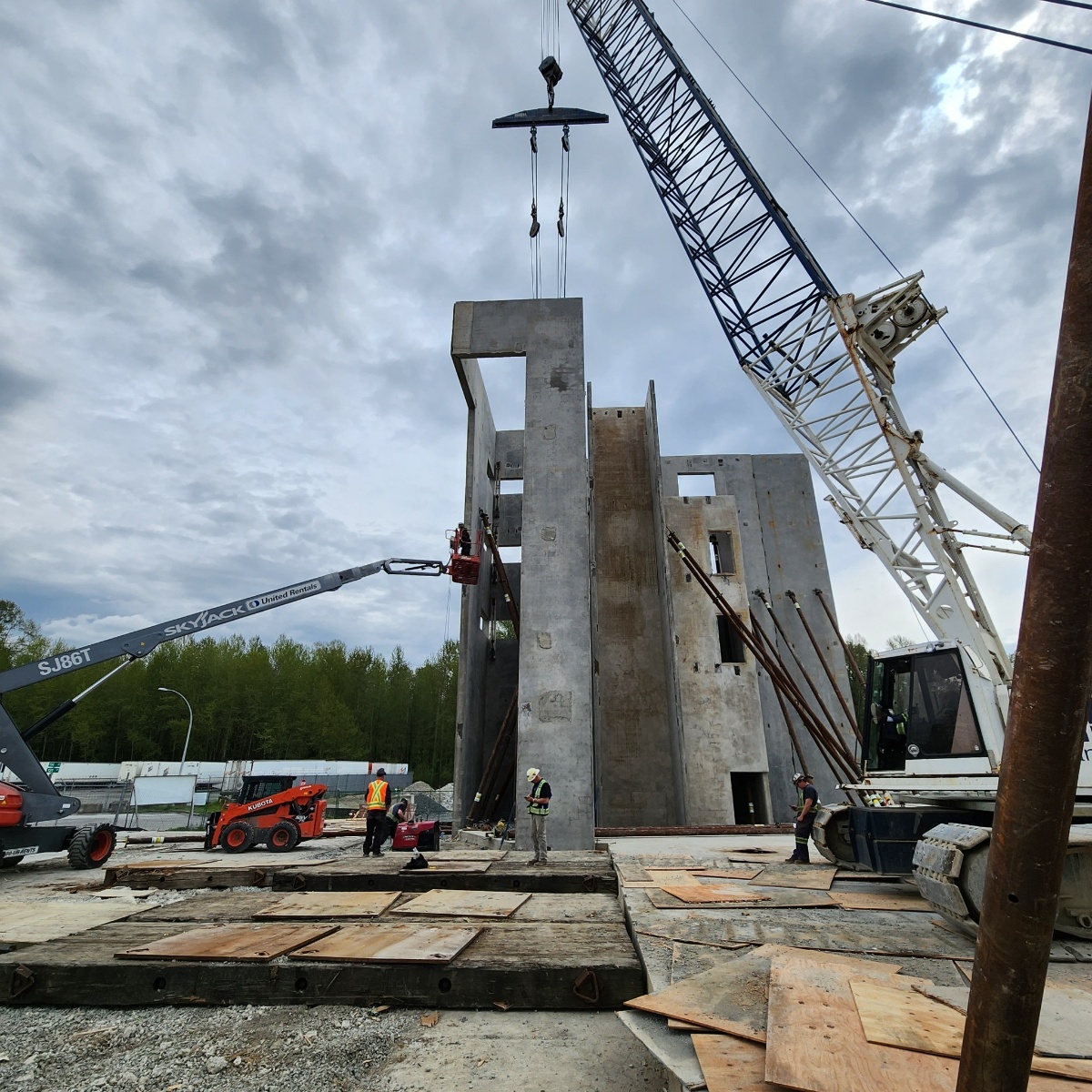
When people talk about a strong foundation, they often focus on concrete strength. That matters, but forming is what determines the shape, line, elevation, and consistency of the structure before the pour ever happens. Precision formwork is what allows a foundation wall to be straight, square, and built to plan.
Accurate forming affects anchor bolt placement, wall thickness, opening locations, and top-of-wall elevation. It also affects how efficiently framing crews can work once the concrete is complete. If dimensions drift or walls are out of plumb, every trade that follows has to work around the error.
This is why specialist contractors matter in foundation work. Forming is not just temporary carpentry. It is a structural setup process that influences the final quality of the concrete and the build that sits on it.
The core stages of foundation construction
Residential construction foundations typically move through a clear sequence, although site conditions and design details can change the order slightly. The process starts with layout and excavation, followed by footing preparation, form setup, reinforcement placement, embedded items, concrete placement, stripping, curing, and backfill.
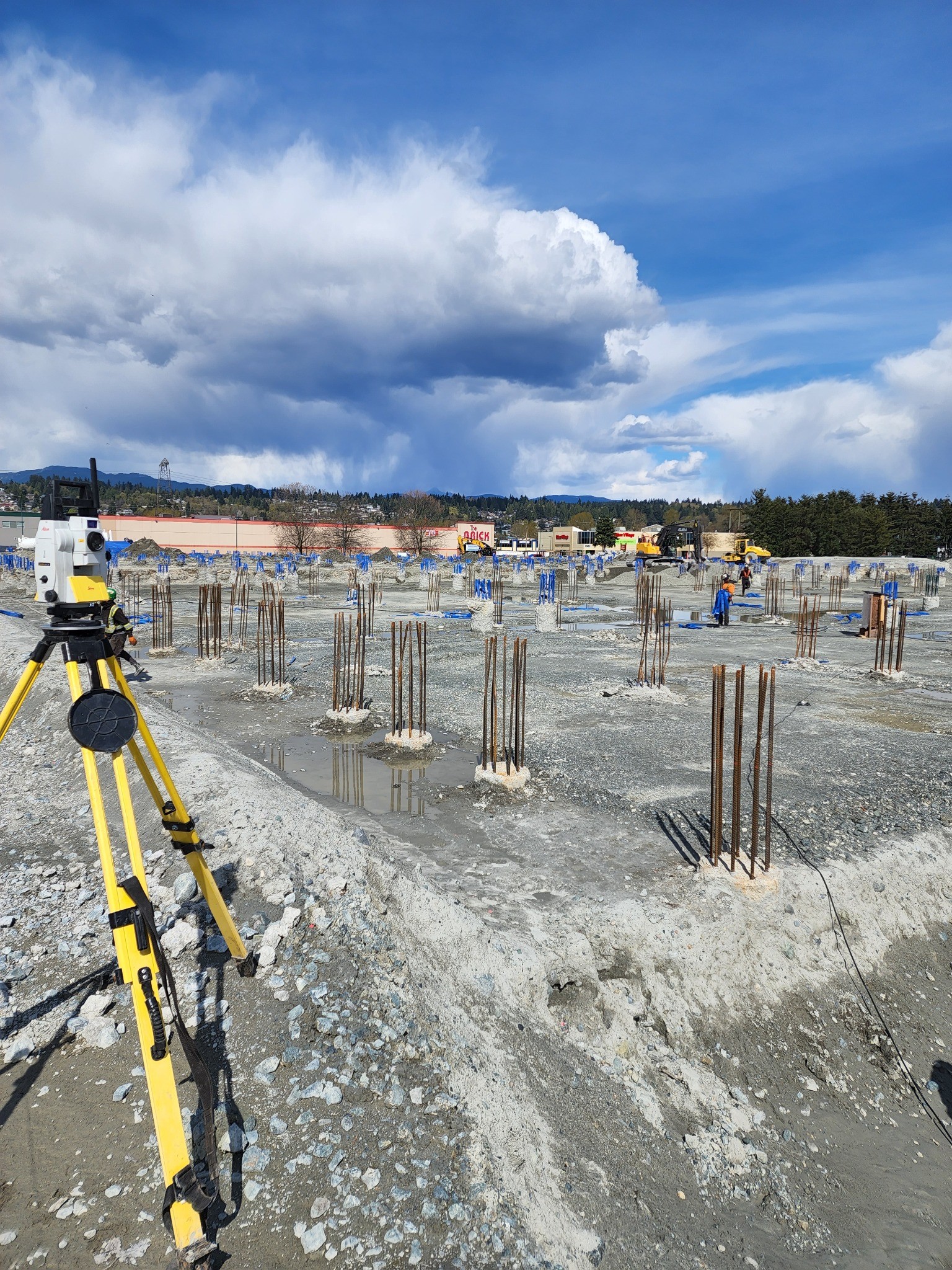
The layout stage is where accuracy begins. Control points, setbacks, and elevations need to be confirmed against approved plans. From there, excavation has to reach the correct depth and leave a suitable bearing surface for footings.
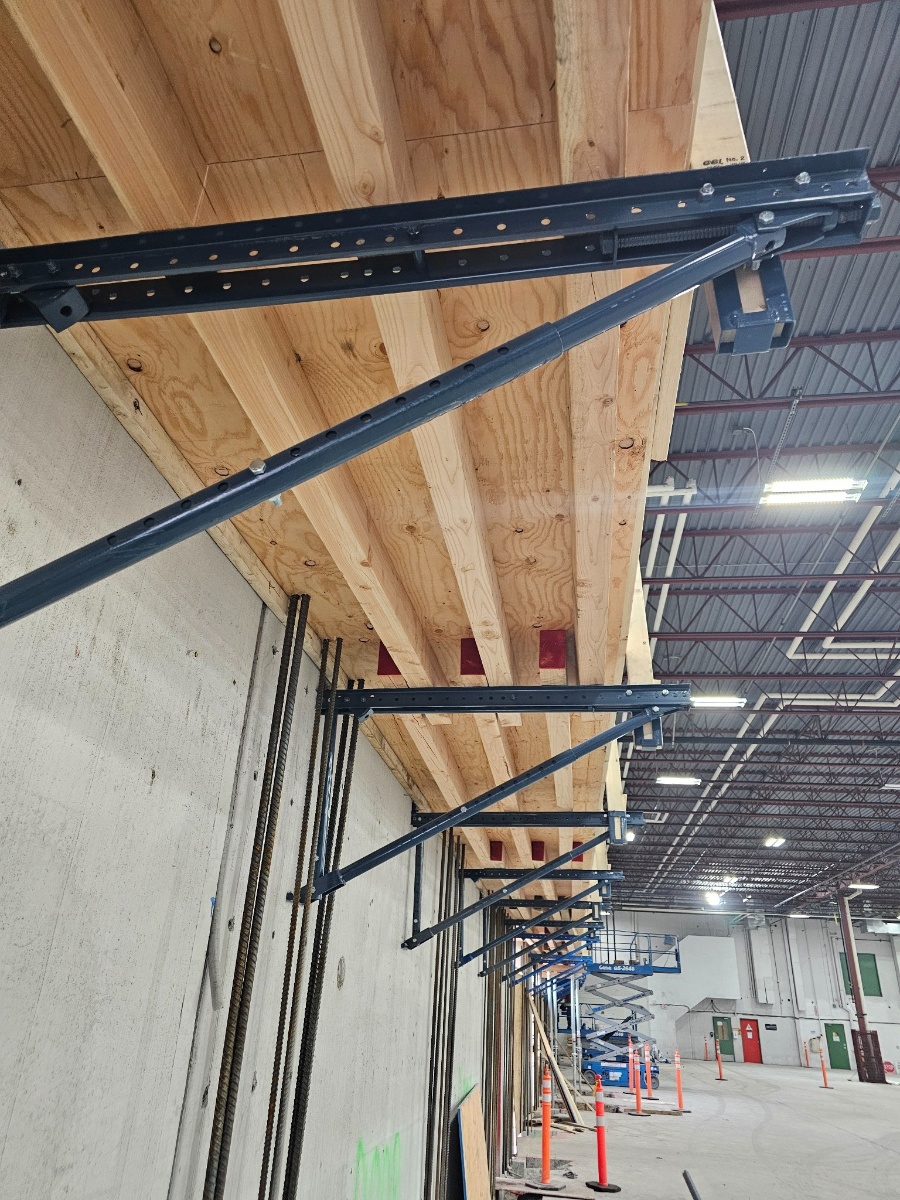
Form setup is where experience shows. Footings and walls need to be aligned correctly, braced properly, and checked before concrete arrives. Reinforcement must match the structural drawings, and embedded components such as anchor bolts or sleeves need to be positioned with the next phase of construction in mind.
During the pour, consistency matters. Concrete must be placed in a way that avoids segregation, supports consolidation, and protects the integrity of the forms. After placement, curing conditions affect strength development and surface durability. Then comes stripping and backfill, both of which should happen only when the concrete has reached suitable strength and the wall system is ready to resist pressure.
Where problems usually start
Most foundation issues do not begin with a dramatic failure. They start with small execution errors that stack up. Inaccurate layout, weak form bracing, poor reinforcement placement, and rushed subgrade prep are common examples. So is inadequate attention to water.
Cracks are one concern, but not all cracking means the same thing. Some shrinkage cracking can be cosmetic. Structural cracking, movement, or moisture intrusion is a different matter. The challenge is that many early-stage mistakes stay hidden until framing, waterproofing, or occupancy reveals them.
That is why schedule pressure should never override checks at the forming stage. Fixing a problem in layout or bracing before the pour is manageable. Fixing it after cure is expensive and disruptive.
What owners and builders should ask before work starts
A foundation contractor should be able to speak clearly about dimensions, elevations, reinforcement coordination, and site-specific concerns. On a residential project, that means discussing how the forms will be set, how tolerances will be controlled, and how the crew will coordinate with excavation, waterproofing, and framing.
It also helps to ask practical questions. Is the site level or sloped? Will the design require stepped footings? Are there retaining conditions? How will openings, sleeves, and anchor locations be verified before the pour? A dependable contractor should welcome those questions because they are tied directly to execution quality.
For projects where accuracy and schedule discipline matter, specialized concrete forming is not an optional upgrade. It is a risk-control decision.
Choosing the right team for residential construction foundations
The right contractor brings more than labor to the site. They bring process, detail control, and the ability to deliver formwork that supports the rest of the project. That includes reading plans carefully, catching conflicts early, and building forms that hold line and elevation under load.
For residential construction foundations, experience across basements, crawl spaces, additions, garages, and slab work is valuable because no two sites behave exactly the same. A contractor working in active residential neighborhoods also needs to understand access limits, site safety, weather exposure, and the importance of keeping the job moving without sacrificing accuracy.
That is the difference between simply pouring concrete and building a foundation that performs the way it should. Companies such as Keystone Construction Ltd. focus on this phase because formwork precision is what gives the structure its starting point.
A well-built foundation rarely gets praise once the house is finished because most of it disappears from view. That is fine. If the forming, placement, and planning were done right, the result is exactly what it should be - solid, accurate, and dependable for everything built above it.