
A foundation that is too shallow can create problems long before the finishes go in. If you are asking how deep should a foundation be for a house, the honest answer is that depth is set by soil conditions, frost exposure, structural loads, drainage, and local code - not by a single standard number.
For homeowners, builders, and developers, that matters because foundation depth is not just a design detail. It affects stability, excavation scope, concrete quantities, forming complexity, waterproofing, and long-term performance. A well-planned foundation starts with the right depth for the site, not a guess based on what worked somewhere else.
How deep should a foundation be for a house in practice?
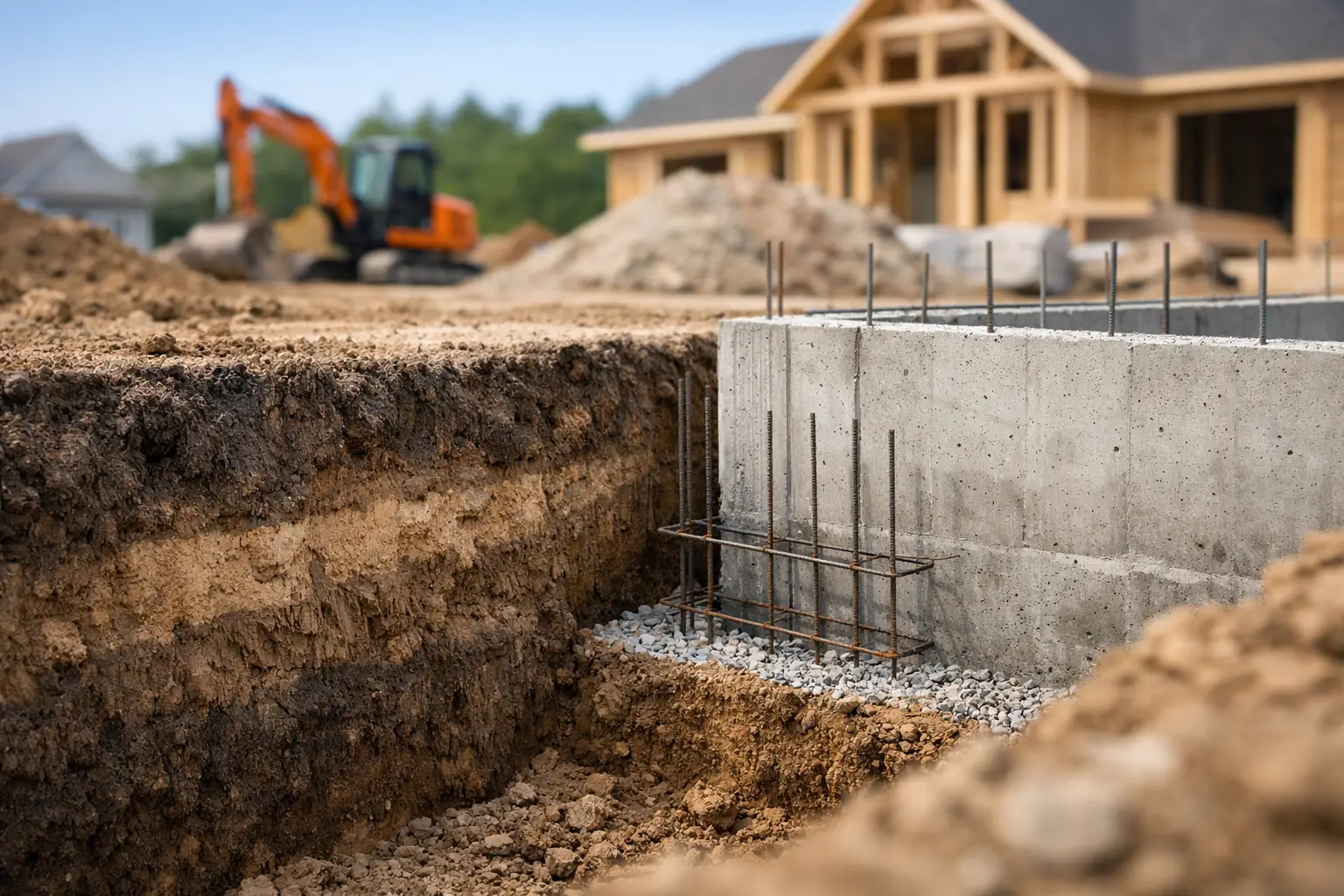
In many residential projects, the bottom of the footing must sit below the local frost line. In warmer regions, shallow foundations may be acceptable at relatively modest depths. In colder climates, foundations typically need to extend deeper to protect against frost heave, which can lift and crack structural elements when moisture in the soil freezes and expands.
That said, frost depth is only one factor. A house built on dense, well-draining soil with straightforward loading conditions may allow a more conventional foundation layout. A house on fill, clay, sloped terrain, or poor bearing soil may require deeper footings, engineered fill, stepped foundations, piles, or other structural solutions.
For this reason, the right question is not just how deep should a foundation be for a house, but how deep should that specific house foundation be on that specific site.
The main factors that determine foundation depth
Soil bearing capacity
Foundation depth starts with the ground itself. Soil must be able to carry the building load without excessive settlement. Dense gravel and competent native soils generally perform better than loose fill or soft clay. If the upper soil layers are weak or inconsistent, the foundation may need to go deeper until it reaches suitable bearing material.
This is one of the most common reasons two houses on nearby lots can end up with different foundation depths. Surface conditions may look similar while subsurface conditions are not.
Frost line and climate exposure
In cold regions, footings need to be placed below frost penetration depth unless the design uses a frost-protected system approved by code and engineering. If the foundation sits too high, freeze-thaw cycles can move the structure unevenly.
Even within the same region, exposure can vary. Shaded areas, wind exposure, snow cover, and moisture conditions can all affect frost behavior around the building perimeter.
Structural loads
A light single-story structure does not load the ground the same way a multi-story house with heavy concrete walls, large spans, or significant point loads does. More weight can mean larger footings, deeper bearing requirements, or both.
The load path also matters. Concentrated loads from columns, retaining walls, or specific architectural features may require local deepening even if the rest of the foundation remains at a more typical depth.
Groundwater and drainage
Water changes foundation planning fast. A high water table can affect excavation stability, concrete placement conditions, waterproofing details, and the long-term behavior of supporting soils. Poor drainage can soften bearing soils and increase hydrostatic pressure against foundation walls.
In these cases, depth decisions must work together with perimeter drainage, damp-proofing or waterproofing, free-draining backfill, and site grading.
Topography and adjacent conditions
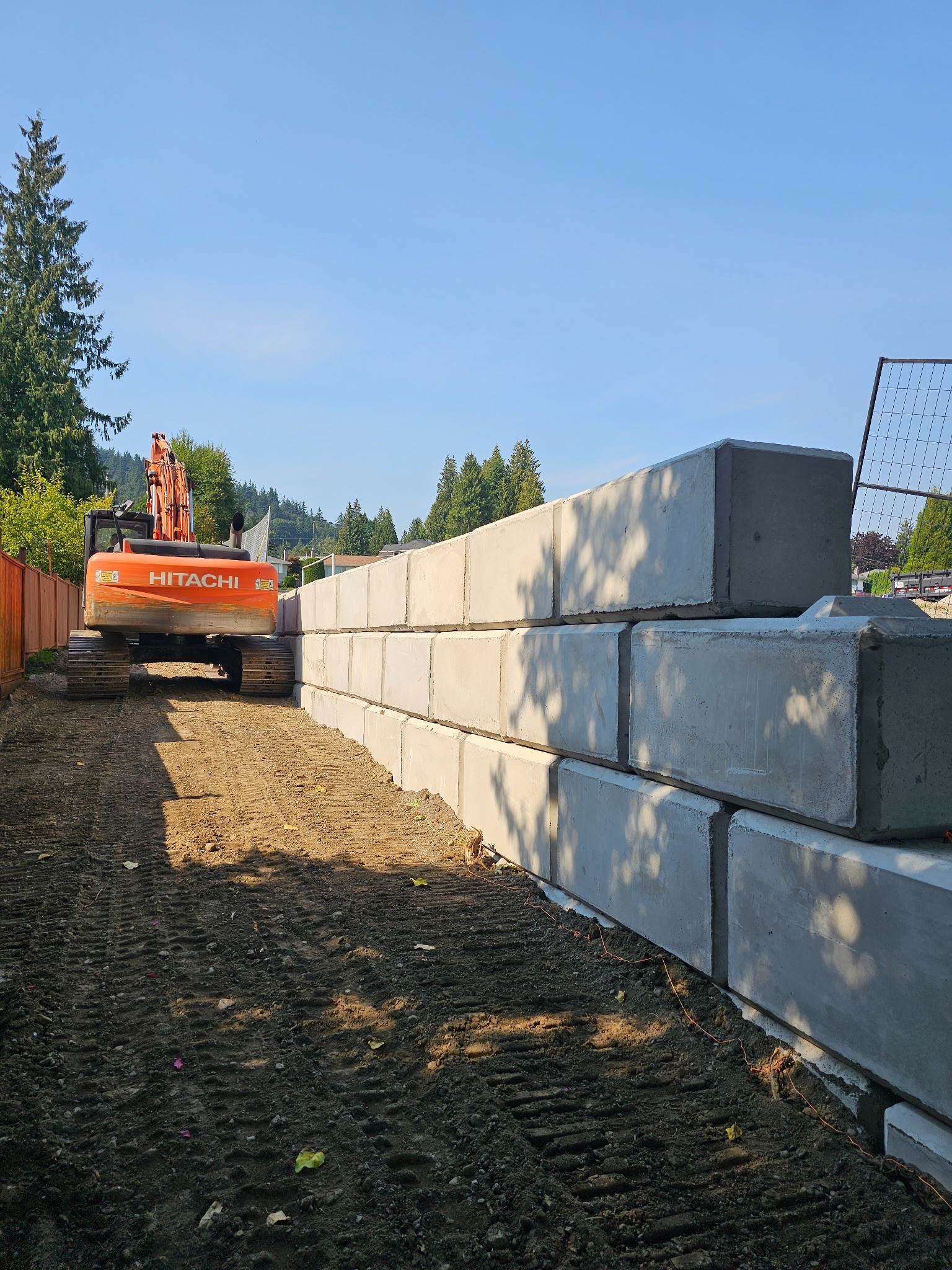
Sloped sites often require stepped footings or retaining components, which means foundation depth can change across the structure. Existing neighboring buildings, property line constraints, and access limitations may also affect how the excavation and forming are designed.
On tighter urban lots, foundation work has to balance structural requirements with real jobsite constraints. That is where planning and execution quality matter.
Typical residential foundation depths
There is no universal residential depth that applies everywhere, but most house foundations fall into a few broad categories.
Shallow foundations are common where soils are stable and frost depth is limited or well-managed. These include standard spread footings supporting foundation walls or slab-on-grade systems. Crawl space foundations are also generally shallow compared to full basements, though they still need adequate footing depth and frost protection.
Full basement foundations usually go deeper because the excavation must accommodate usable lower-level space as well as structural footing requirements. In many cases, the basement floor elevation drives overall excavation depth, while footing depth is set lower where needed for bearing and code compliance.
Where surface soils are unsuitable, deep foundation systems such as piles or piers may be necessary. Those are less common for standard detached homes but are regularly used where soil conditions, slopes, or loading make shallow systems unreliable.
Why code alone is not enough
Building code sets minimum requirements. It does not replace site-specific engineering judgment. Two projects can both meet code and still perform very differently if one ignores actual soil behavior or drainage risks.
A code-compliant minimum depth may not be the best choice if the site includes uncontrolled fill, soft pockets, seasonal water issues, or surcharge loads from nearby structures. In those situations, the foundation system should be based on geotechnical findings and structural design, not the minimum allowed depth on paper.
This is especially relevant in regions with variable site conditions. One lot may excavate cleanly into competent native material. The next may reveal buried debris, organic material, or saturated zones that require redesign.
The cost trade-off of going deeper
Deeper is not automatically better. A deeper foundation increases excavation, haul-out, forming labor, concrete volume, reinforcement, waterproofing area, and backfill requirements. It may also affect shoring, access, and schedule.
But staying too shallow to save money can create far more expensive consequences later. Differential settlement, slab movement, cracked walls, drainage failures, and repair work are all far costlier than getting the depth right from the start.
The objective is not maximum depth. It is correct depth. That balance is where sound design and precise forming make a difference.
How foundation depth affects concrete forming
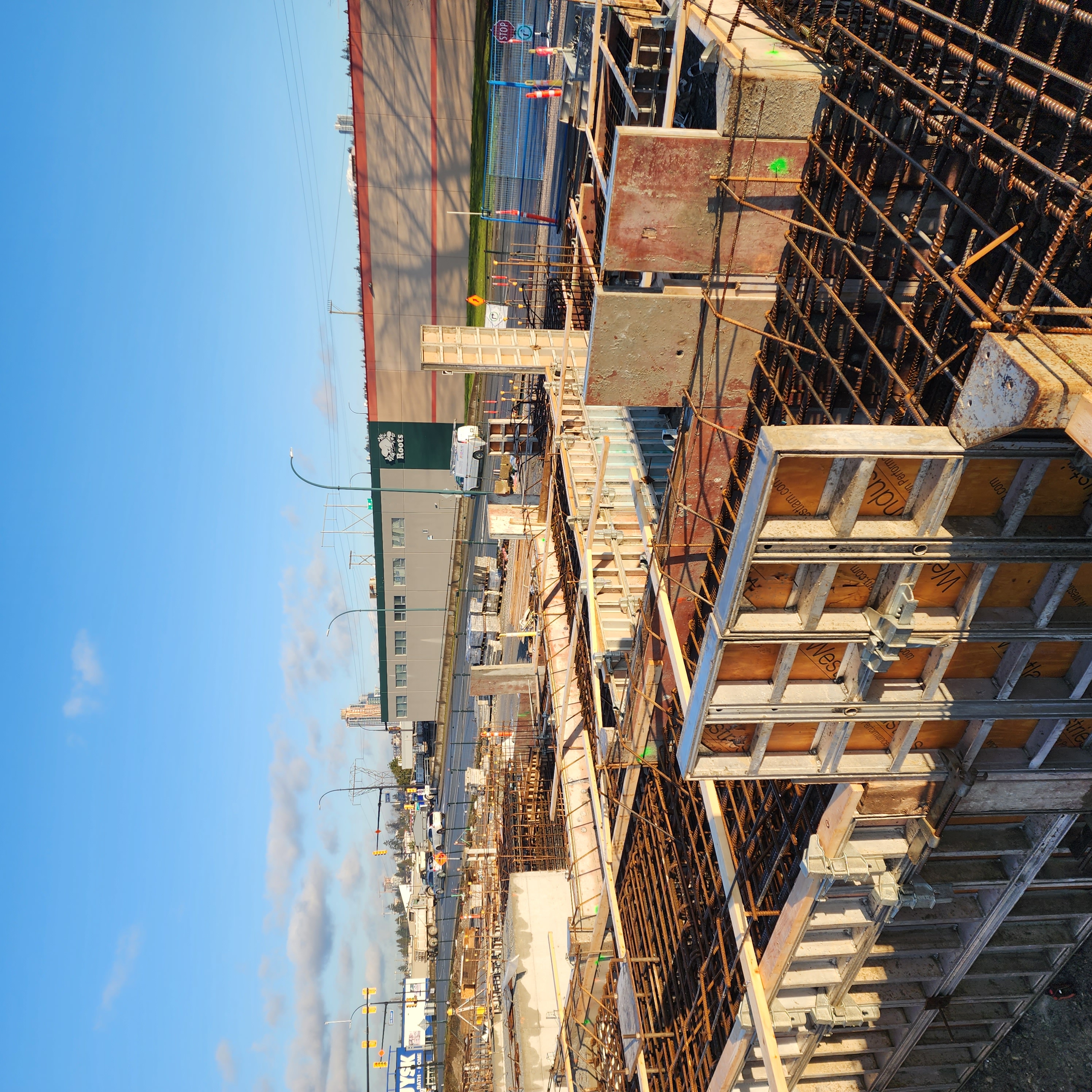
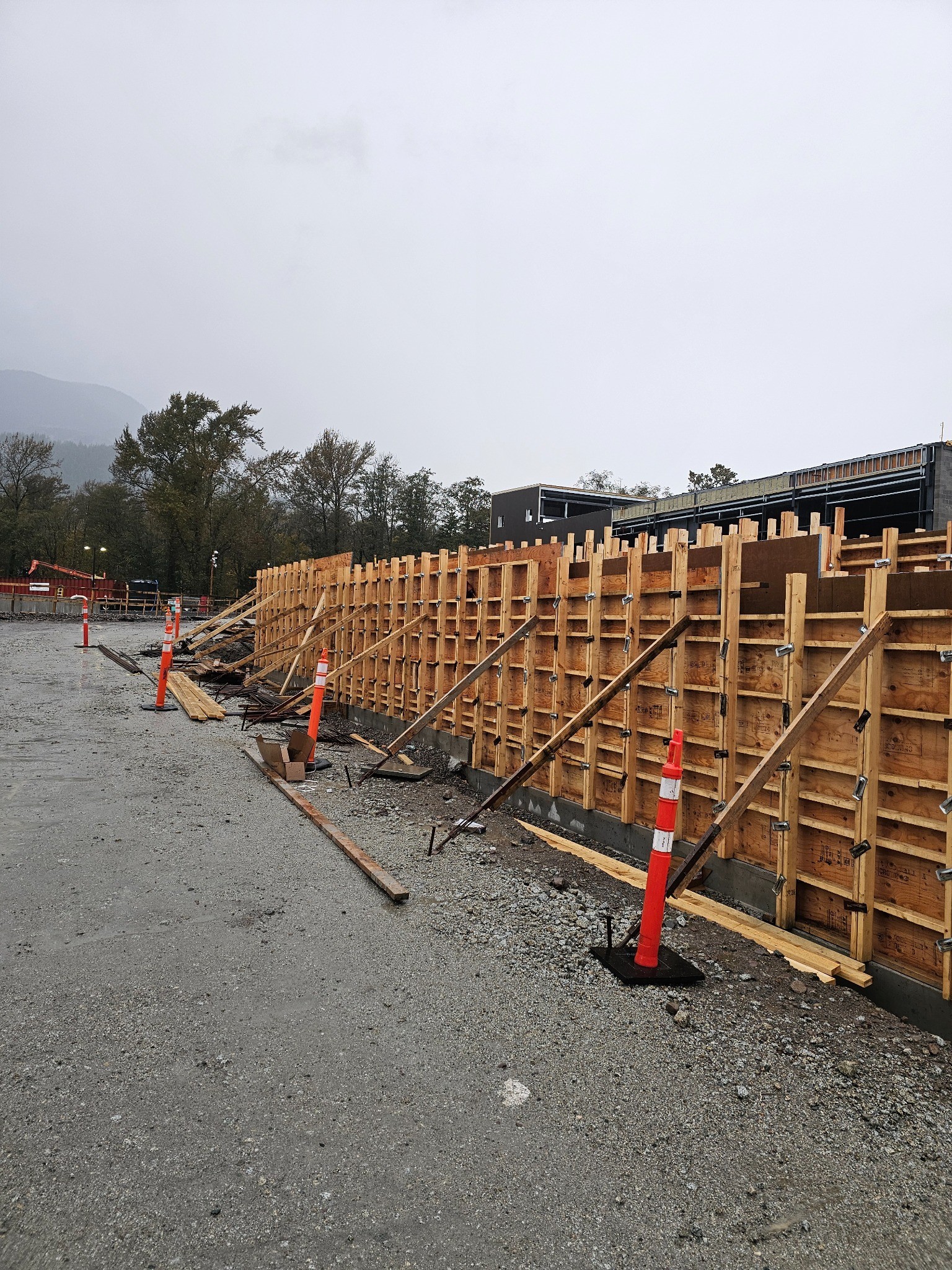
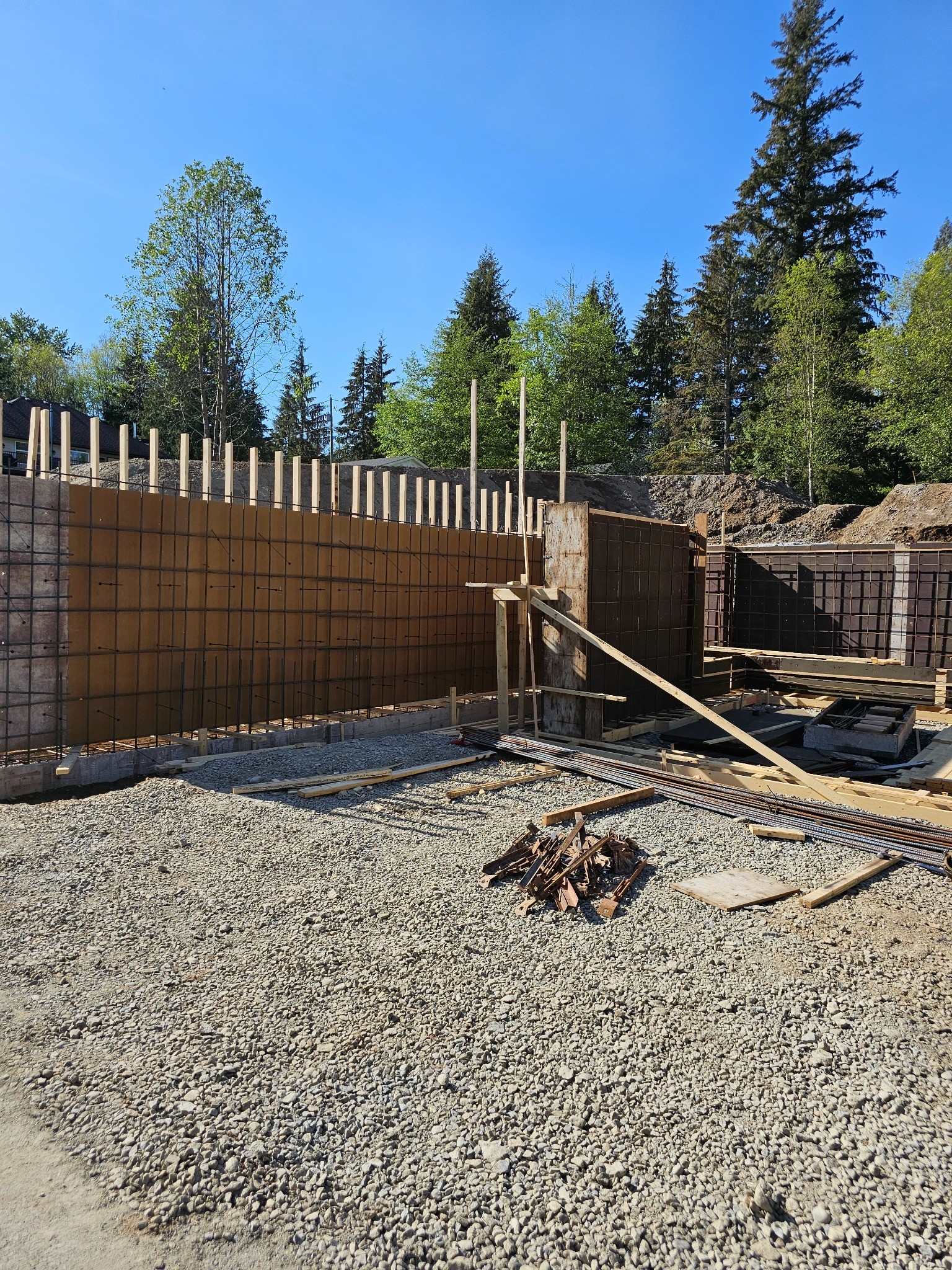
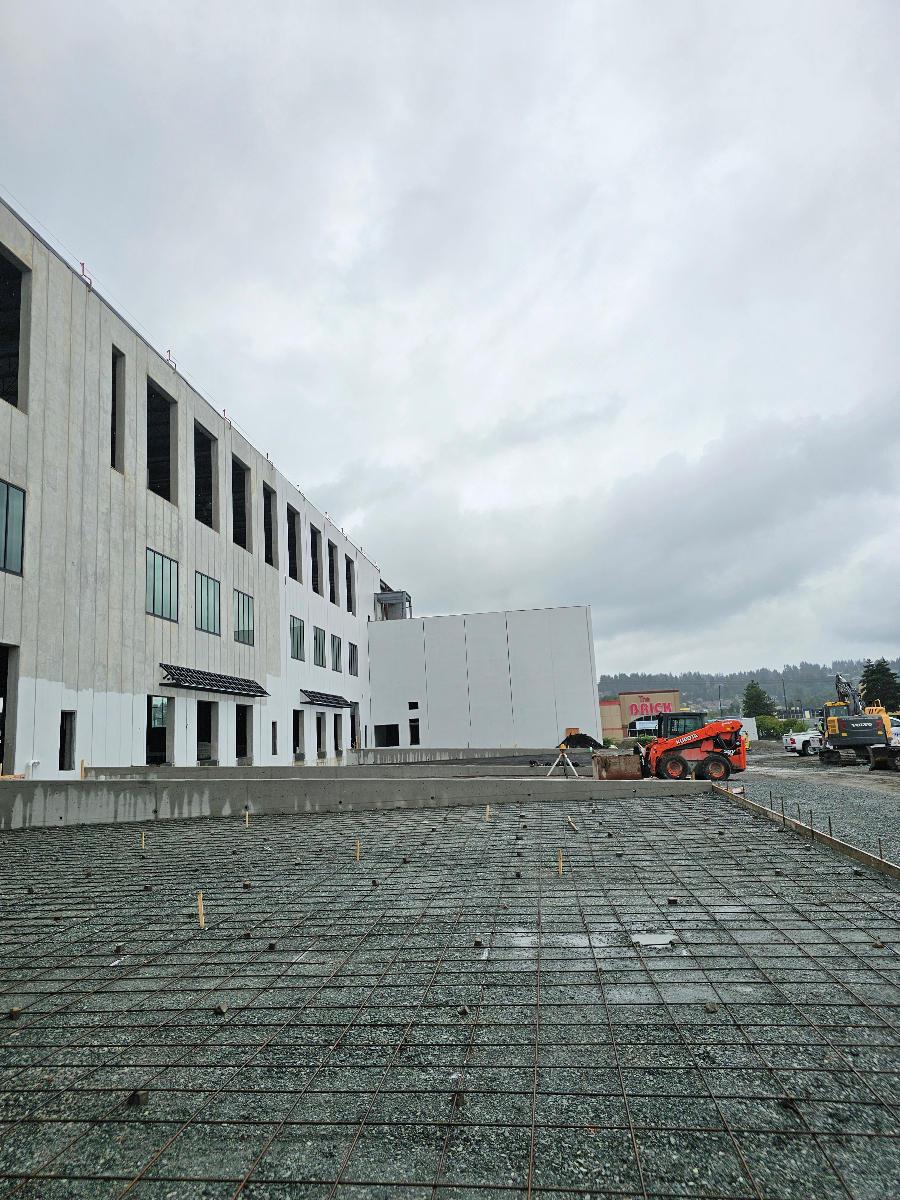
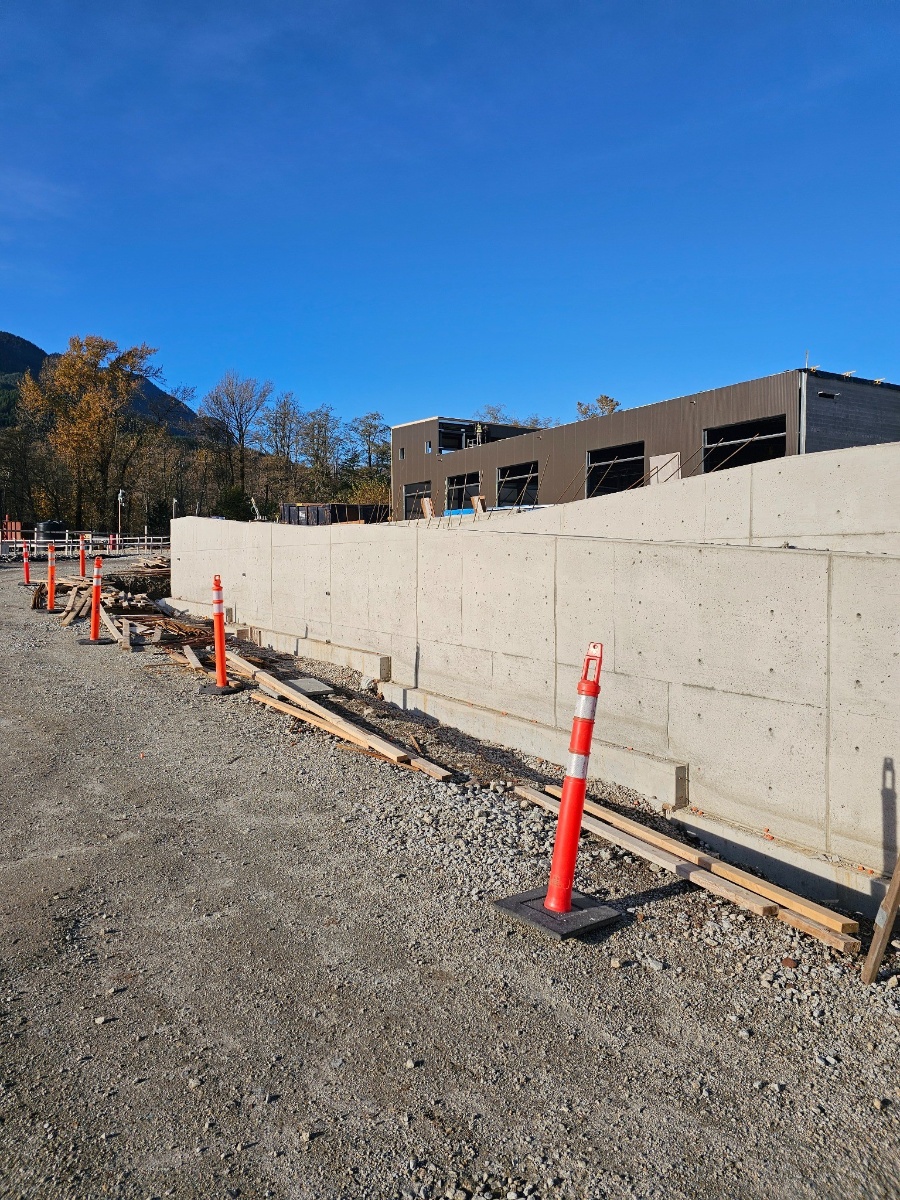
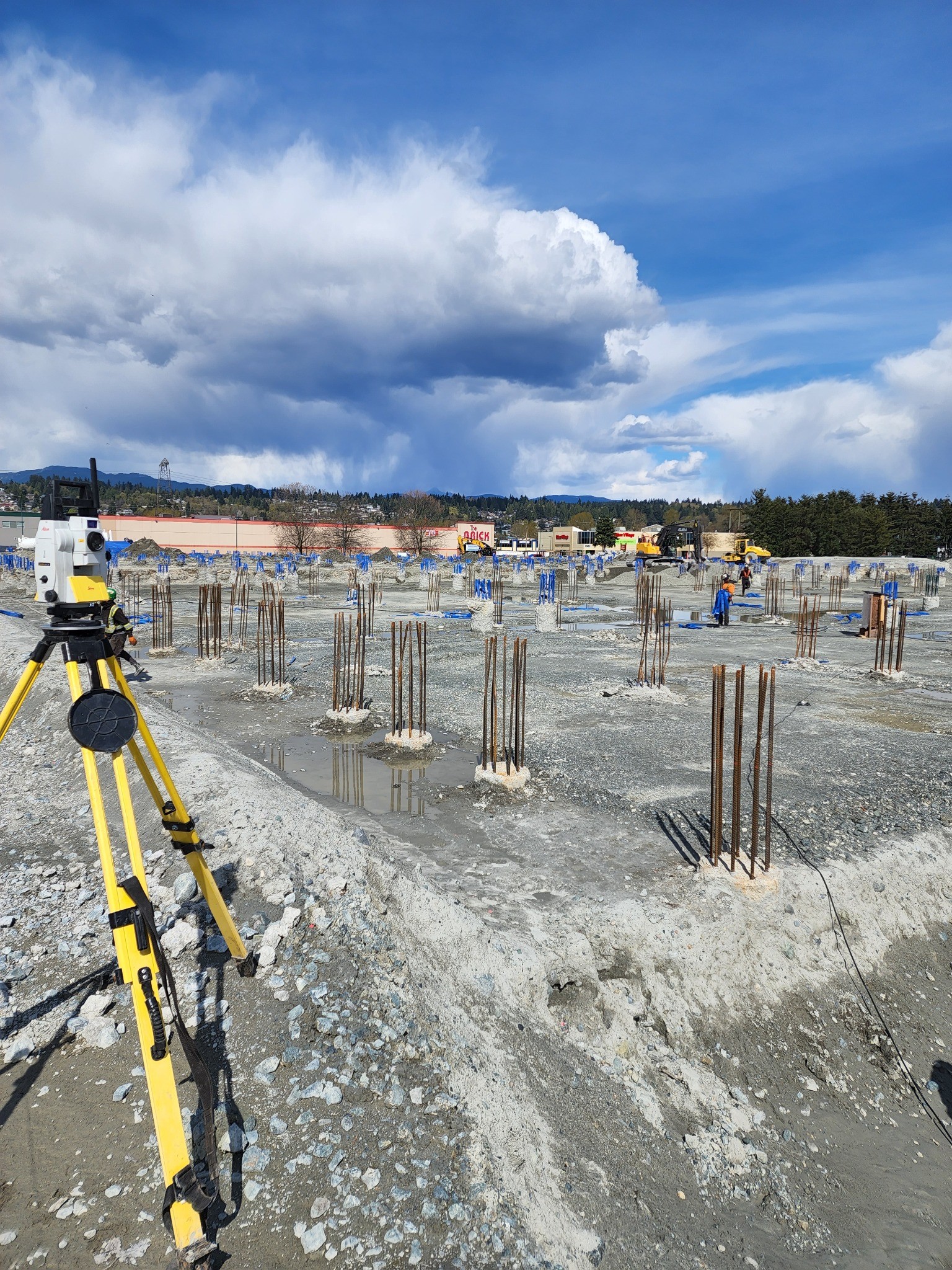
Once the required depth is established, the quality of the formwork becomes critical. Footings and walls need to be formed to the correct lines, elevations, widths, and bearing conditions so the structural design is actually achieved in the field.
Minor layout or elevation errors at foundation stage can carry through the entire build. If footing steps are off, wall heights vary, or bearing surfaces are inconsistent, downstream framing and finishing become harder to correct. More importantly, structural performance can be compromised.
That is why foundation work should be treated as precision work, not just excavation and concrete placement. Proper forming supports alignment, dimensional accuracy, clean load transfer, and consistent wall geometry from the start.
When to involve an engineer or specialist contractor
A straightforward detached house on known good soil may follow a fairly standard foundation design. But if the site has poor soil, a slope, groundwater concerns, retaining conditions, heavy structural loads, or unusual architectural features, engineering input should come early.
The same applies when excavation reveals conditions that differ from the original assumptions. Adjustments to depth, footing size, reinforcement, or forming approach may be needed before concrete is placed.
An experienced concrete forming contractor helps bridge the gap between design intent and field execution. That includes reading plans accurately, managing layout, anticipating forming challenges, and keeping the structure true to the required dimensions and elevations. For projects in British Columbia, Keystone Construction Ltd. approaches this phase with the precision expected of a dedicated formwork specialist.
Common mistakes when deciding foundation depth
One mistake is assuming neighboring houses establish the right depth for a new build. Nearby projects can offer context, but they do not replace proper site review.
Another is treating excavation depth and footing depth as the same thing. They are related, but not identical. Basement excavation may be deep for space requirements, while actual bearing depth is determined by the footing design and soil conditions.
A third mistake is ignoring water. Good soil in dry conditions can behave very differently when drainage is poor or groundwater is high. Depth decisions that do not account for moisture conditions are incomplete.
Final thought
If you are planning a new house, the safest answer to how deep should a foundation be for a house is this: deep enough to reach suitable bearing, sit below frost risk, handle the actual building loads, and perform reliably over time. That depth is determined in the ground, on the drawings, and in the execution. Get those three aligned early, and the rest of the structure has a far better place to start.