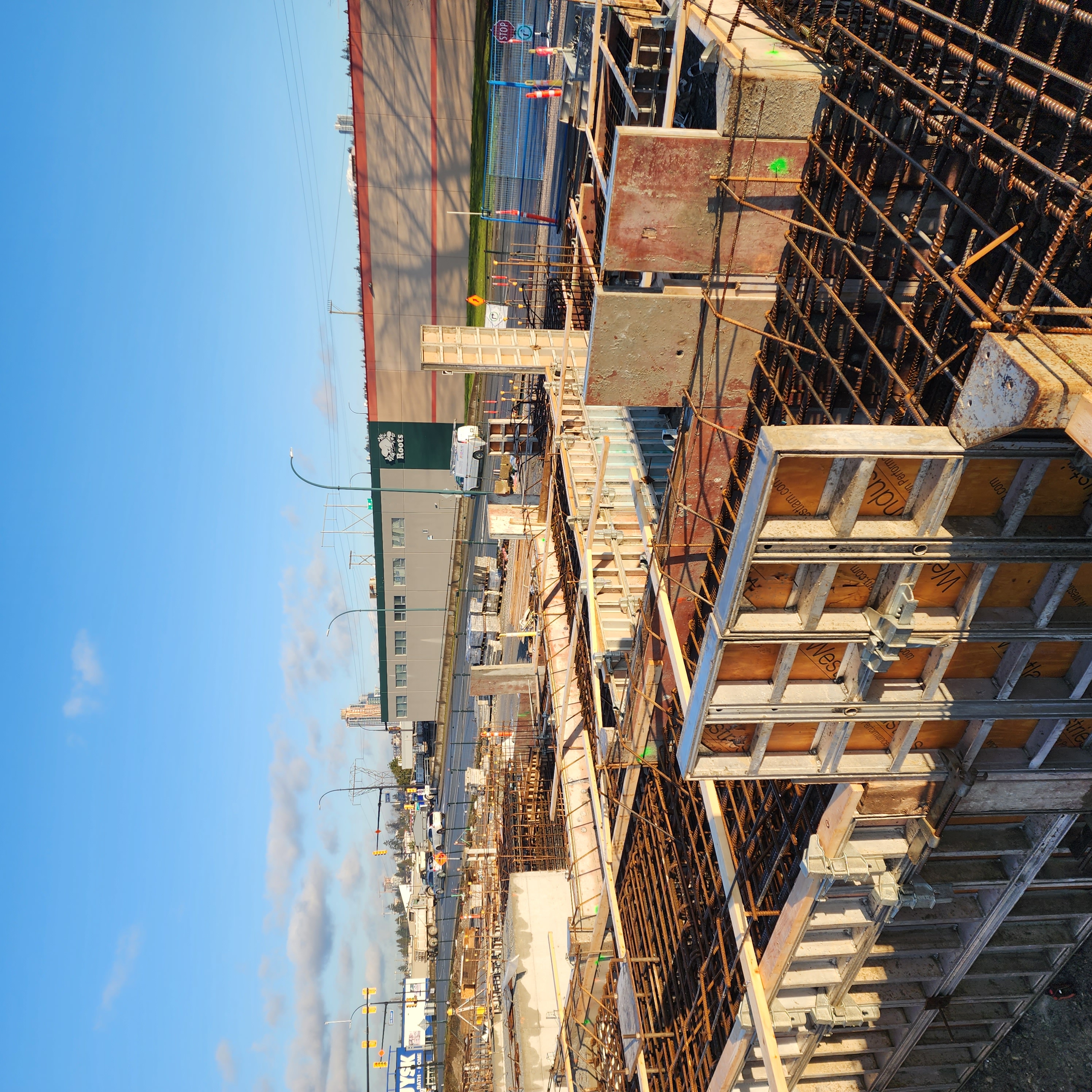
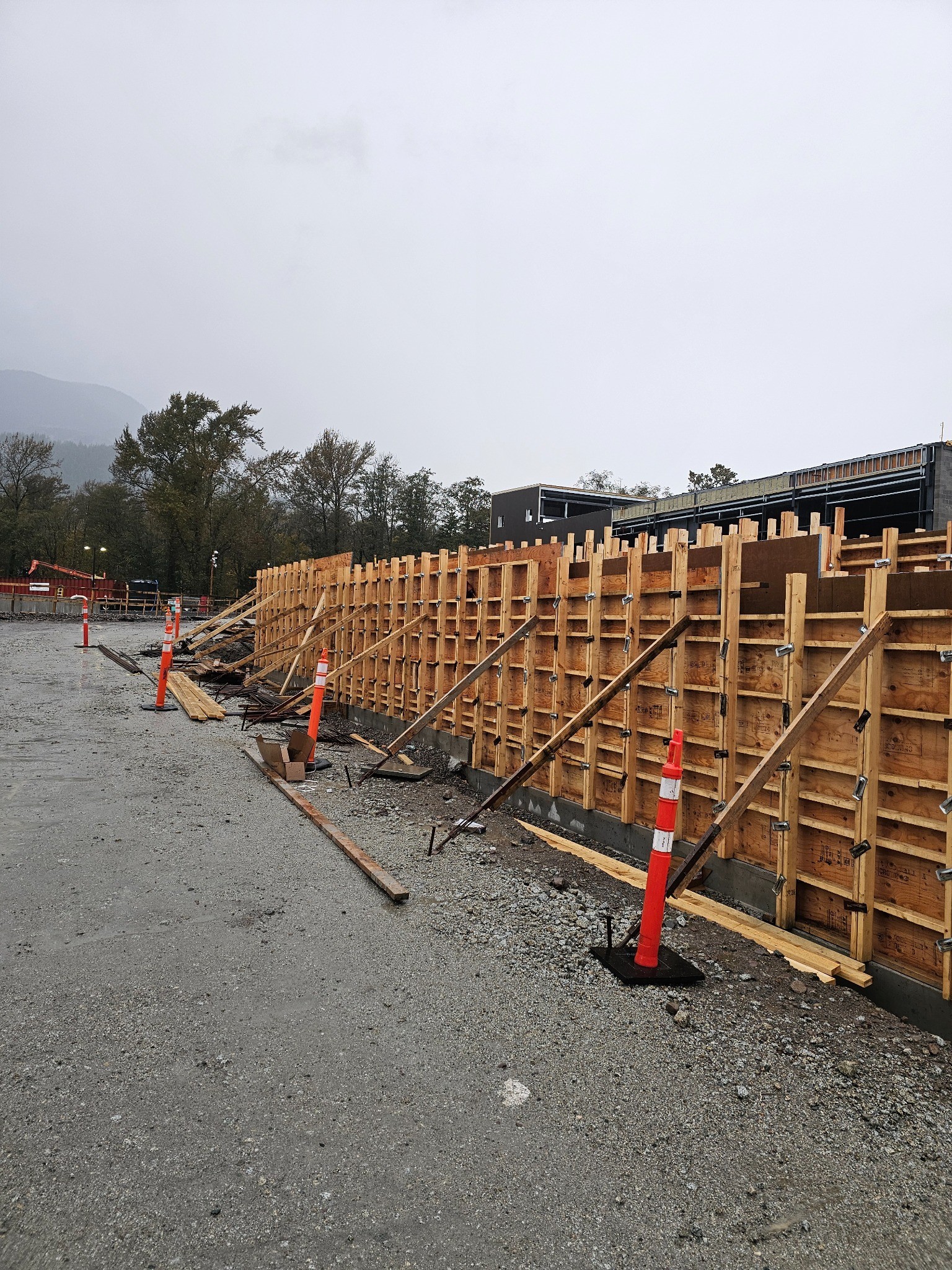
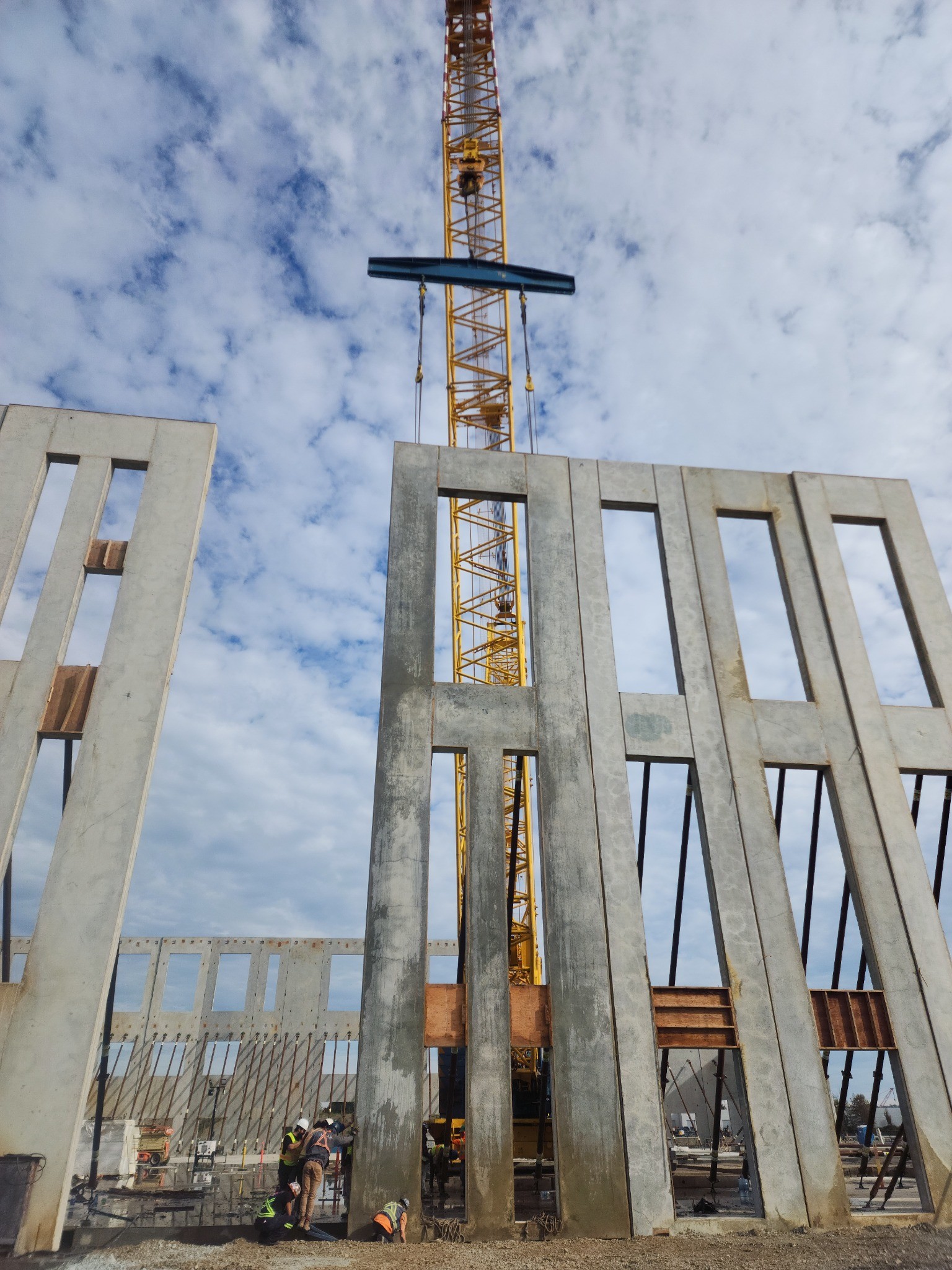
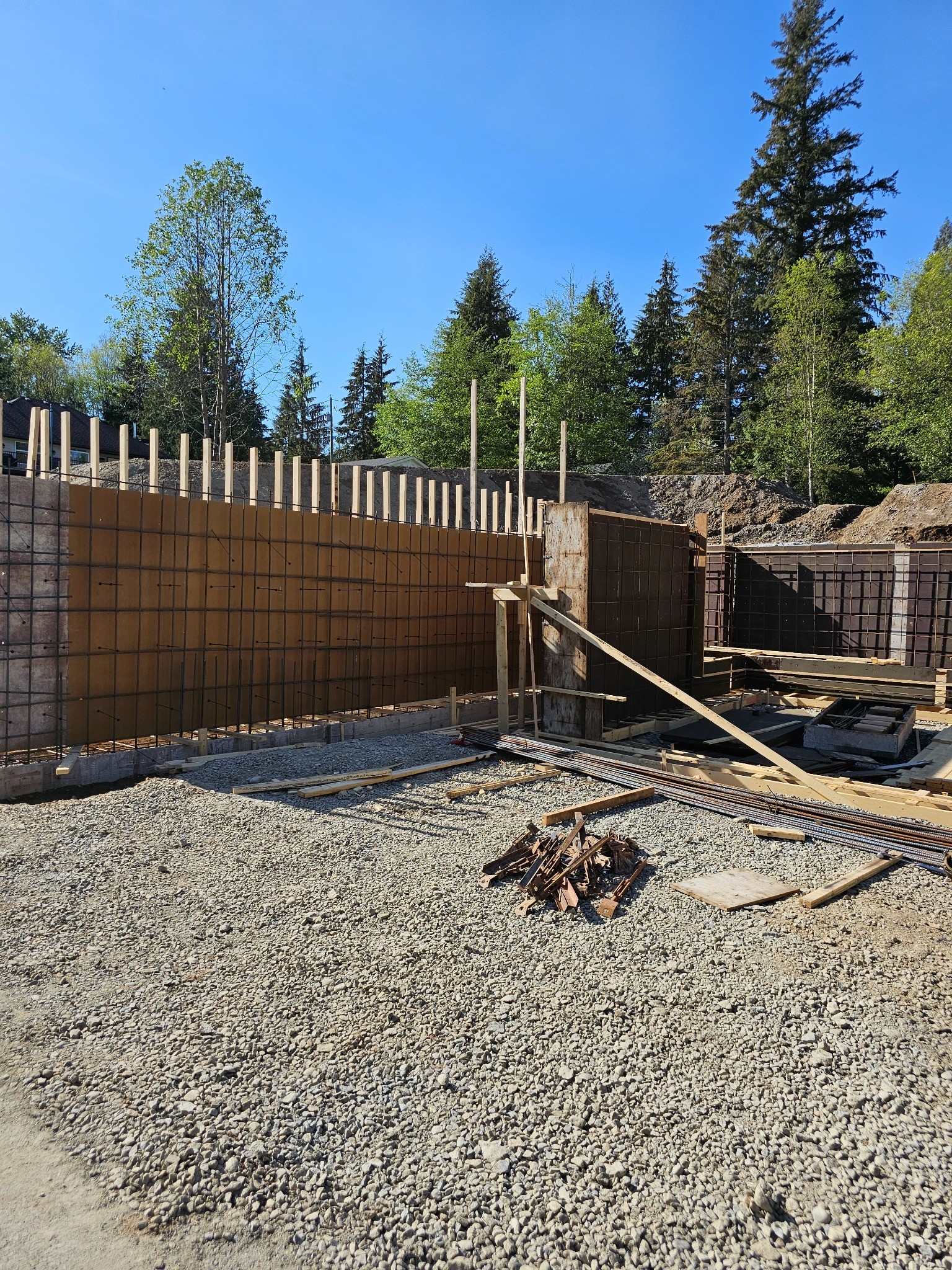
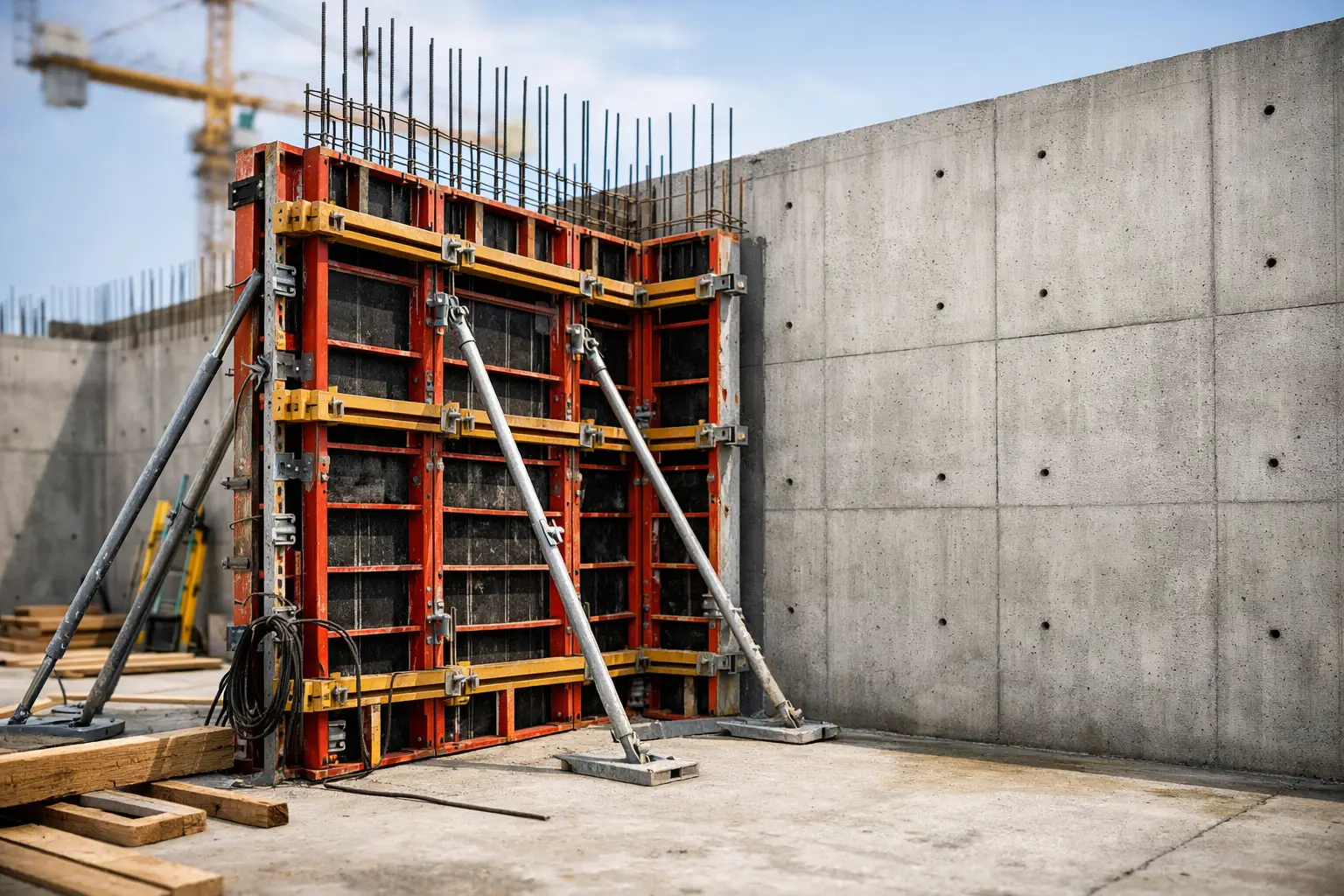
A concrete wall only performs as well as the formwork behind it. When concrete wall formwork services are planned and executed correctly, the result is a wall that meets design intent, stays true to line and elevation, and supports the rest of the project without costly corrections. When formwork is rushed or misaligned, the problems show up fast - uneven faces, movement during the pour, delays for other trades, and avoidable rework.
For homeowners, builders, developers, and project managers, wall formwork is not a minor setup task. It is a structural phase that affects quality, schedule, and confidence in the build. Good forming work creates consistency from the start. That matters whether the project is a residential foundation wall, a parkade structure, a retaining wall, or an industrial enclosure.
What concrete wall formwork services actually include
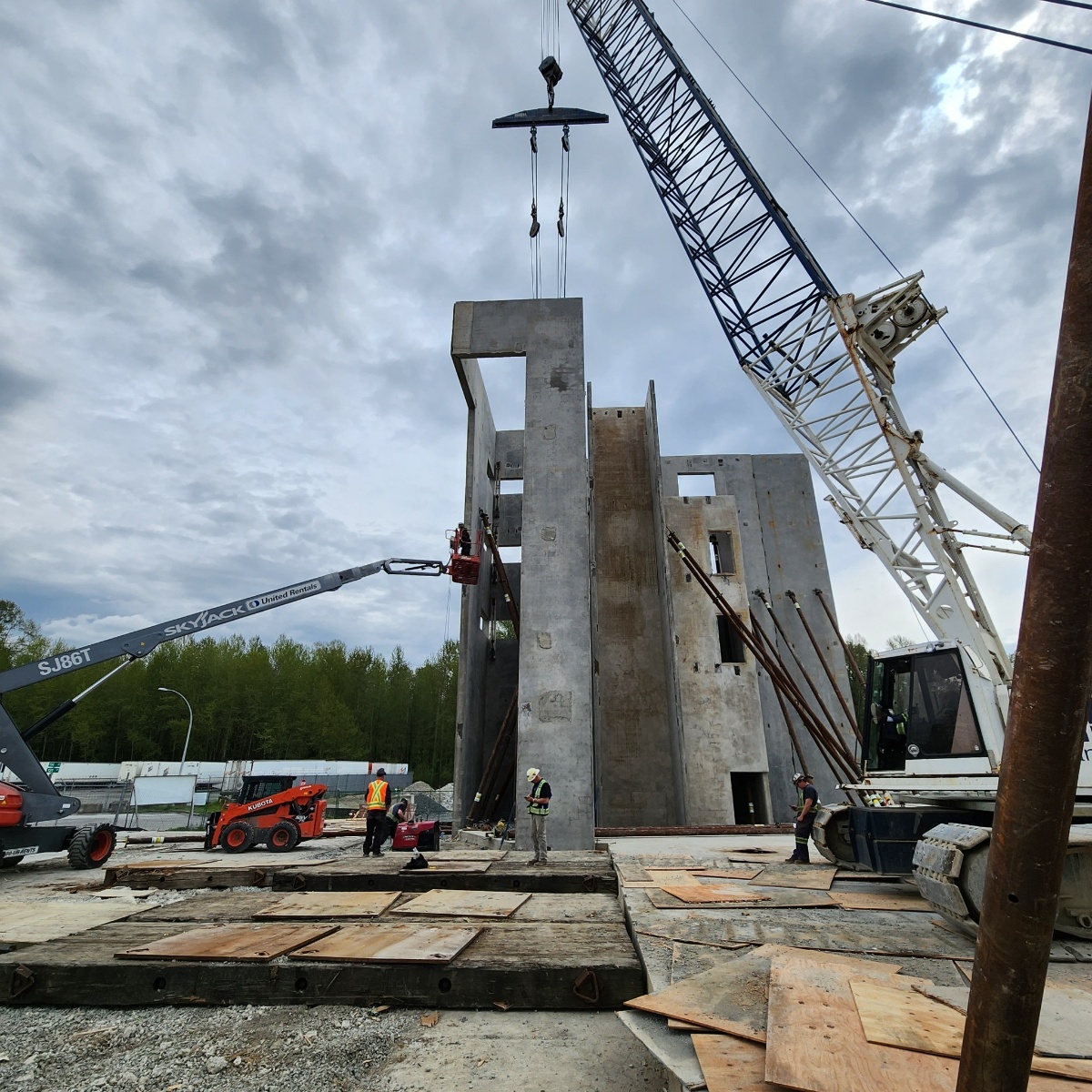
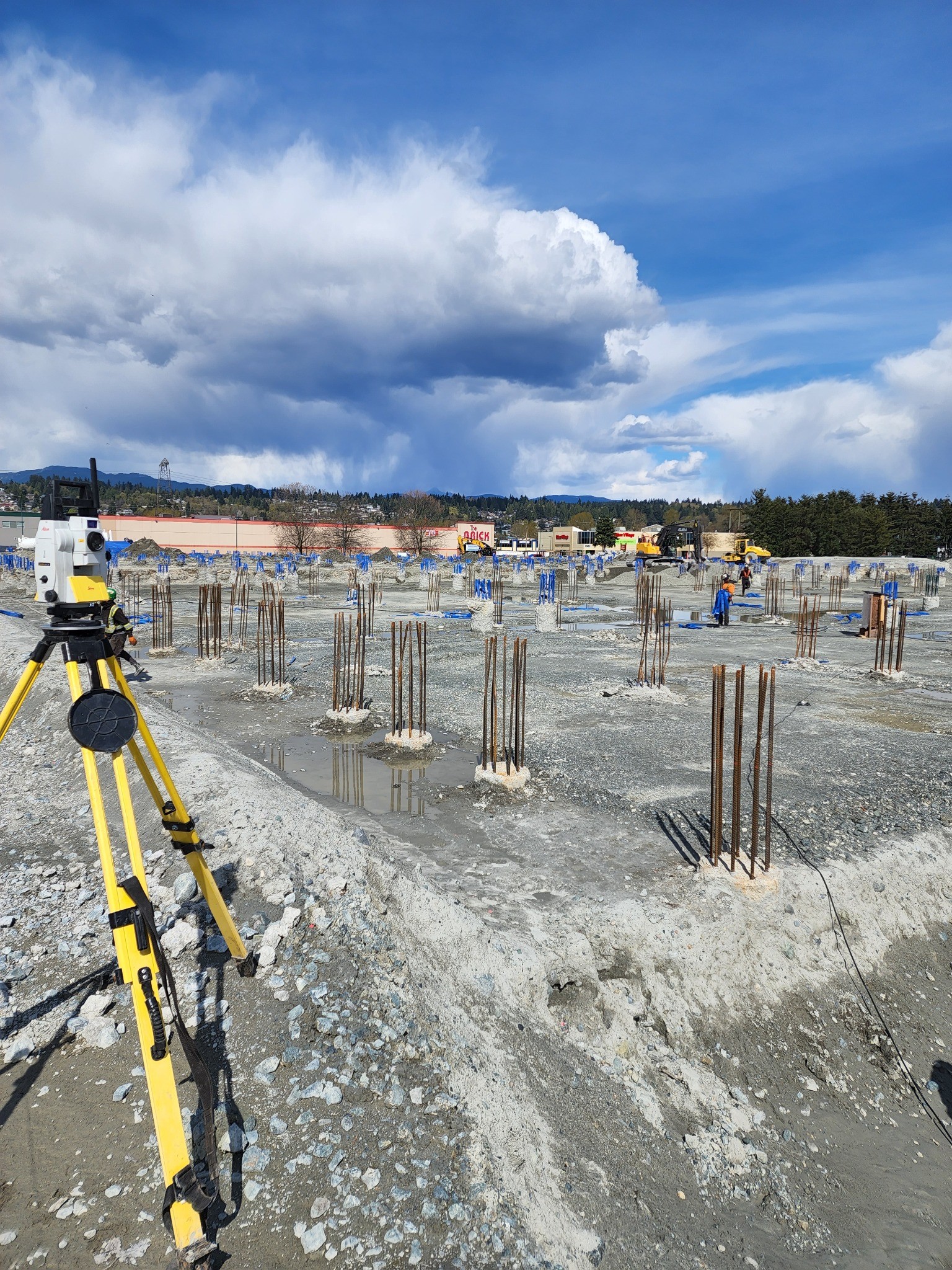
Concrete wall formwork services cover more than placing panels and pouring concrete. The work starts with layout, dimensions, elevations, and a clear understanding of the structural drawings. Forming crews review wall heights, thicknesses, openings, embed requirements, and tie patterns before the system is assembled on site.
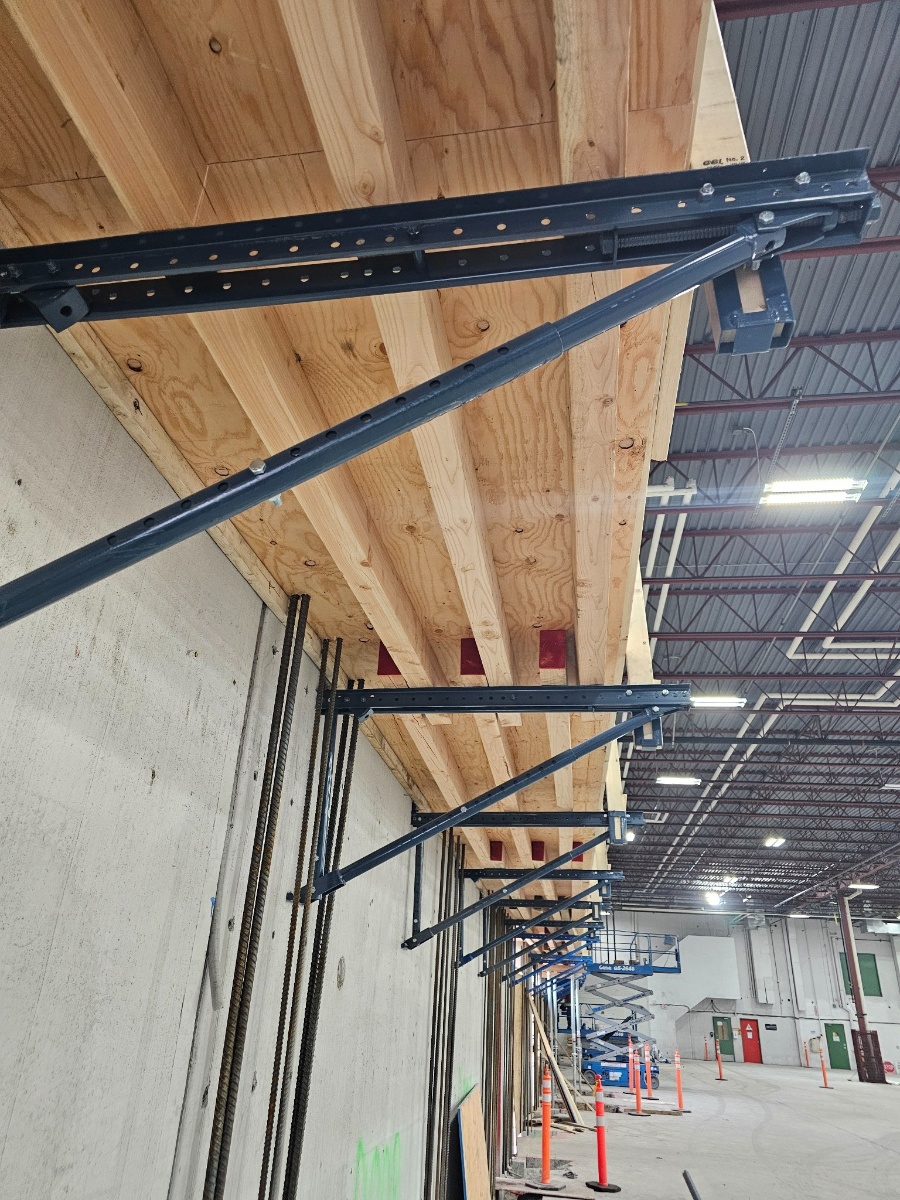
From there, the process involves selecting the right formwork system for the project, bracing it properly, setting it to line and plumb, coordinating reinforcement access, and preparing for a controlled pour. Stripping and cleanup are also part of the service, along with checking the finished wall for surface quality and dimensional accuracy.
The details matter. A wall can look acceptable at first glance and still create problems if corners are out, openings are off by even a small margin, or surfaces are inconsistent enough to affect waterproofing, framing, or finishes. Precision in forming reduces those downstream issues.
Why wall formwork accuracy matters so much
Concrete is unforgiving. Once it is placed and cured, mistakes in formwork become structural or aesthetic issues that are expensive to correct. That is why experienced forming contractors put so much attention into the setup.
Wall alignment is one of the most obvious examples. If a wall is not plumb or the dimensions drift, the impact reaches every phase that follows. Framing, steel, waterproofing, door and window installation, and equipment placement can all be affected. On larger commercial and industrial projects, even a small deviation can slow coordination across multiple trades.
There is also the issue of concrete pressure. Taller walls, complex shapes, and faster pours create more demand on the formwork system. If the bracing, ties, or sequencing are not right, the forms can move. In the best case, that leads to a finish problem. In the worst case, it creates a failure during placement. Reliable formwork is built around safe load handling, not guesswork.
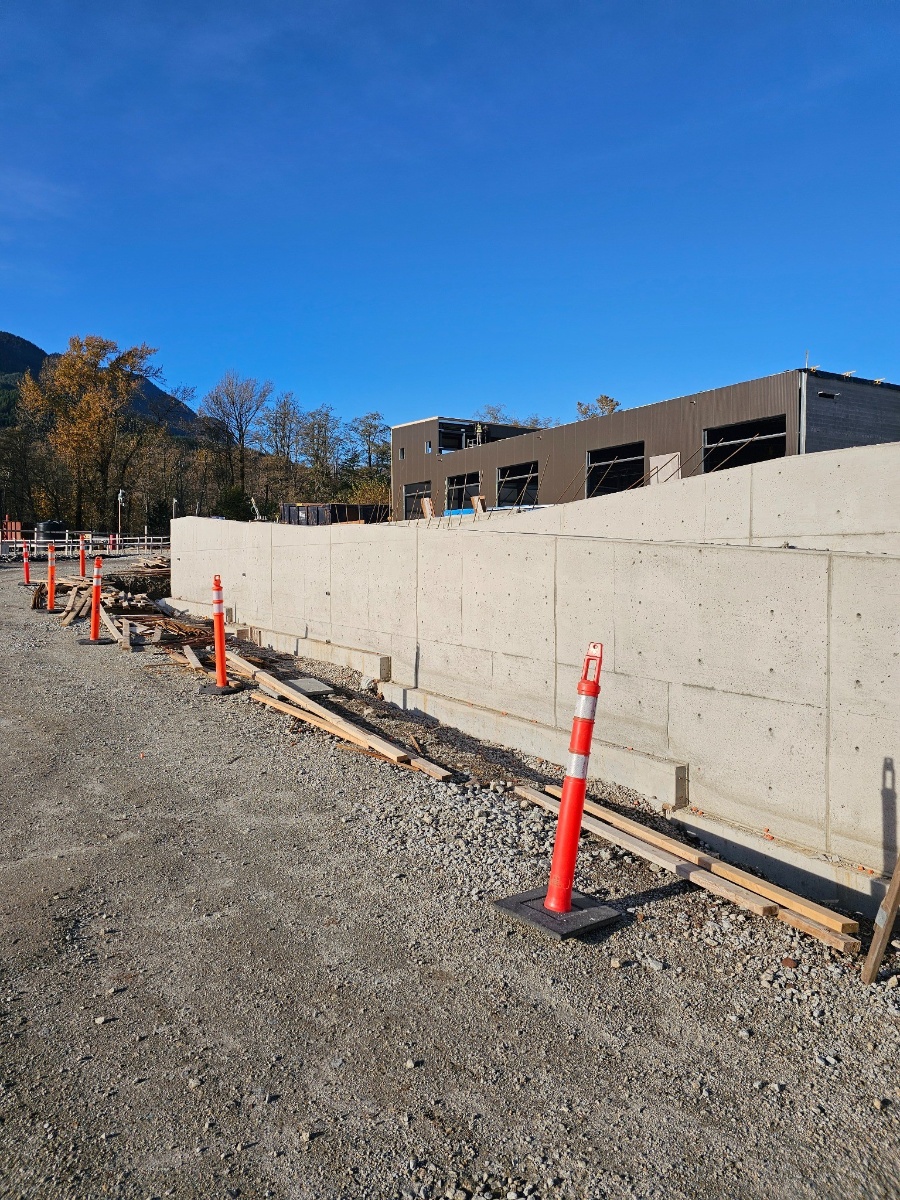
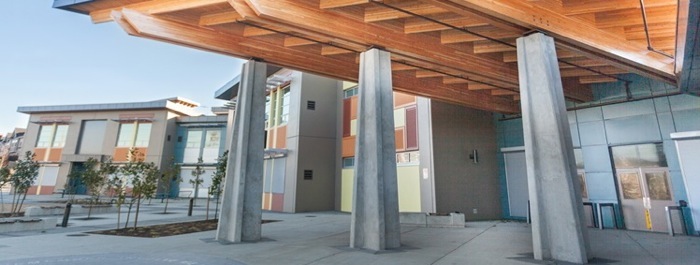
Surface finish is another factor that often depends on intended use. Some structural walls only need solid performance and dimensional consistency. Others need a cleaner architectural appearance. The right service approach depends on what the wall is expected to do and how visible it will be once the project is complete.
Concrete wall formwork services for different project types
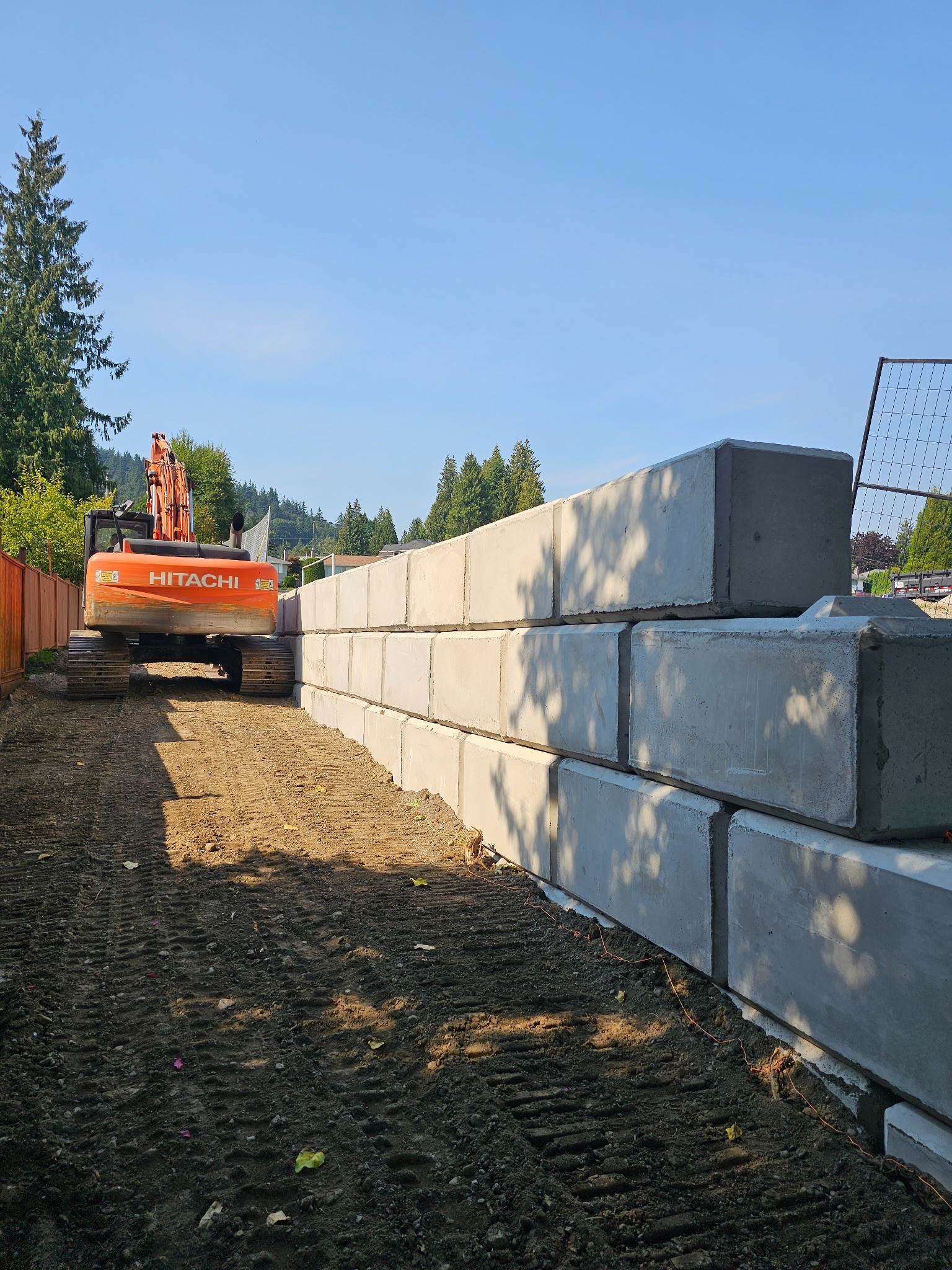
Not every wall is formed the same way because not every project has the same requirements. Residential work often focuses on foundation walls, basement walls, garage walls, and retaining walls. These projects demand accuracy in layout and elevation because they affect framing, drainage, and waterproofing. Access can also be tighter, especially on infill lots or sloped sites.
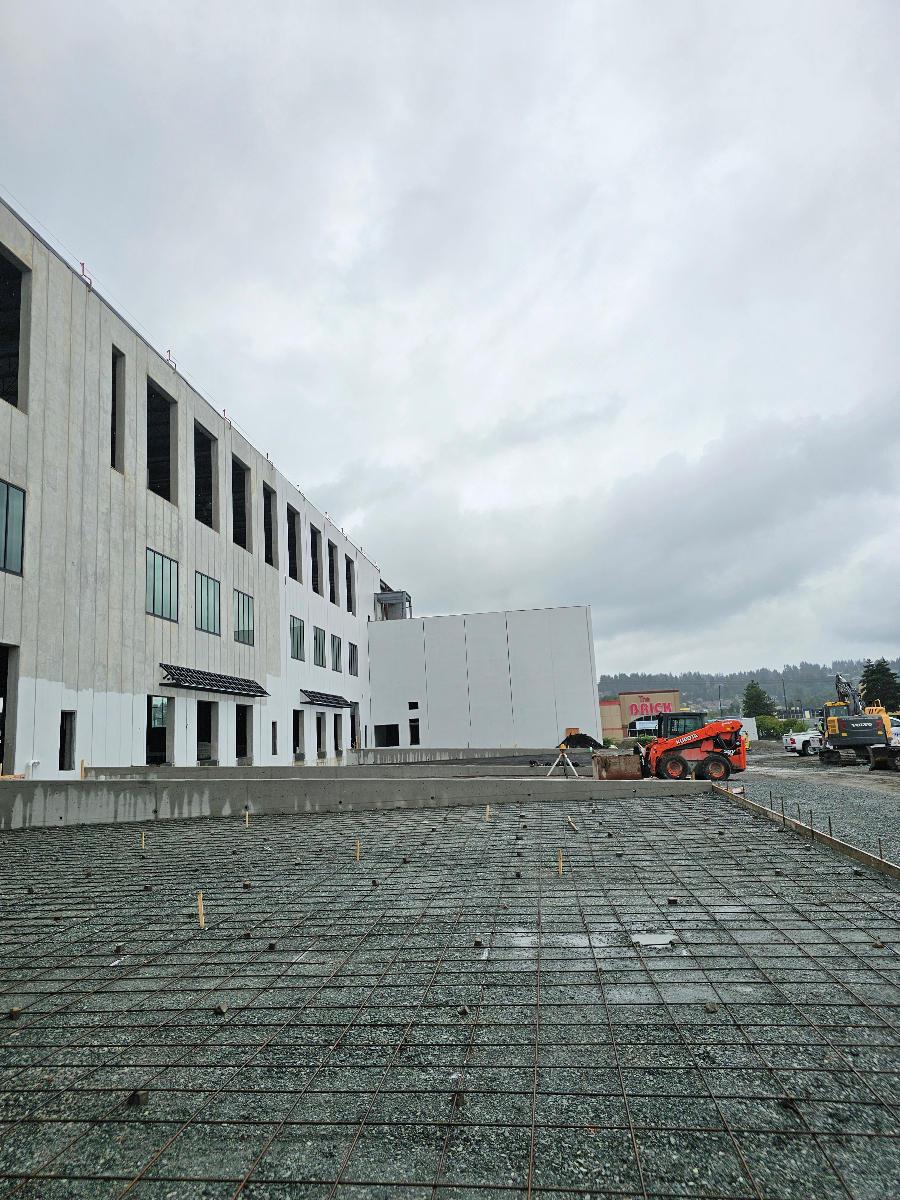
Commercial projects usually bring more repetition, larger footprints, and more coordination with other structural elements. Elevator cores, shear walls, loading areas, and below-grade walls all require disciplined forming practices. The pace is often faster, and there is less room for schedule drift.
Industrial work tends to add another layer of complexity. Walls may need to support heavier loads, integrate specialized embeds, or meet demanding durability requirements. Site conditions can be rougher, tolerances tighter, and sequencing more critical. In these settings, dependable execution is not just about appearance. It is about structural reliability and operational readiness.
This is where a specialist contractor stands apart from a general builder. Wall formwork is a trade with its own technical demands, methods, and risks. Crews who do this work every day are better equipped to anticipate the pressure points before they become delays.
Choosing the right formwork system for the wall
There is no single formwork system that suits every project. The best choice depends on wall height, wall thickness, site access, finish expectations, repetition, and schedule. Panel systems can work well for many standard applications because they provide consistency and speed. Custom forming may be necessary for irregular layouts, stepped walls, or complex structural details.
The trade-off usually comes down to efficiency versus flexibility. A highly repeatable project may benefit from a systemized approach that supports faster cycling. A custom residential build with varied dimensions may require more field adjustment and closer attention to one-off conditions. Neither option is automatically better. It depends on the job.
Pour sequence also influences the setup. Some walls can be handled in larger sections, while others need staged pours to manage pressure, access, or coordination with adjacent work. A good forming plan considers not only how the wall will be built, but how the wall can be built safely and without creating problems for the next phase.
Common problems caused by poor wall formwork
Most clients do not need a technical lesson on formwork, but they do need to understand what is at stake. Poor wall formwork usually shows up in a few predictable ways. Walls may bow, lean, or vary in thickness. Openings can be misplaced. Cold joints may appear where sequencing was not managed properly. Blowouts and movement can happen if the system is underbuilt or the pour is not controlled.
Some issues are visible right away. Others do not become obvious until waterproofing crews, framers, or steel installers arrive and find that the structure is not where it should be. At that point, the cost is no longer limited to concrete work. It affects labor, materials, coordination, and schedule across the project.
That is why dependable contractors focus on prevention. Accurate layout, proper bracing, realistic pour planning, and close review of the drawings are not extras. They are what protect the project.
What to look for in a wall formwork contractor
If you are hiring for concrete wall formwork services, experience matters, but it should be the right kind of experience. A contractor should understand wall systems in the context of your project type, not just concrete in general. Residential foundations, commercial structural walls, and industrial concrete work each bring different demands.
Look for a contractor that communicates clearly about scope, tolerances, access, sequencing, and coordination with reinforcing steel, pump crews, and other trades. Reliable execution comes from planning as much as field labor. If those conversations are vague at the beginning, the work often becomes reactive later.
It also helps to ask how the contractor approaches quality control. Formwork should be checked before concrete placement, not corrected after the fact. That includes line, plumb, dimensions, embeds, blockouts, and overall readiness for the pour.
Keystone Construction Ltd. approaches this work as a specialist trade scope, with attention to structural accuracy, jobsite discipline, and the practical realities of building in demanding project environments.
Why schedule discipline is part of quality
On paper, formwork is one phase of the structural build. In practice, it controls the pace for many phases that follow. If wall formwork falls behind or needs rework, everything downstream starts to compress. That puts pressure on waterproofing, framing, steel, backfilling, and inspections.
Schedule discipline is not just about moving fast. It is about getting the setup right the first time, coordinating labor and materials properly, and avoiding preventable delays. Sometimes that means slowing down on a complex section to protect the overall project. Fast work that has to be redone is rarely efficient.
For clients, this is one of the strongest reasons to choose a specialist. Precision and productivity are not separate goals in concrete forming. They support each other when the work is planned well.
Concrete wall formwork services and long-term performance
A well-formed wall does more than meet inspection. It gives the structure a better starting point for long-term performance. Straight, properly aligned walls support cleaner framing, better waterproofing application, more predictable finishes, and fewer corrections later. That stability matters in every sector, from a custom home build to a large commercial or industrial structure.
There is no shortcut around formwork quality. The wall only gets one chance to be poured correctly, and every decision before placement affects the result. If you are investing in structural concrete, the forming phase deserves the same level of attention as the mix design, reinforcement, and engineering.
The best projects usually have one thing in common early on: the structural work is treated with discipline before problems have a chance to start.