
When a foundation is out of square, a wall bows, or a slab elevation misses by even a small margin, every trade that follows pays for it. That is why choosing among concrete forming companies Vancouver builders and property owners rely on is not a minor early-stage decision. It is a structural decision that affects schedule, finish quality, and long-term performance.
Concrete forming is one of those scopes that can look straightforward from the outside and become costly when handled without enough precision. Forms establish the shape, dimensions, alignment, and support conditions for concrete before the pour. If the forming work is inaccurate, the concrete only locks those mistakes in place. That is why experienced clients look beyond price alone and focus on execution quality, layout accuracy, and field discipline.
What concrete forming companies in Vancouver actually do
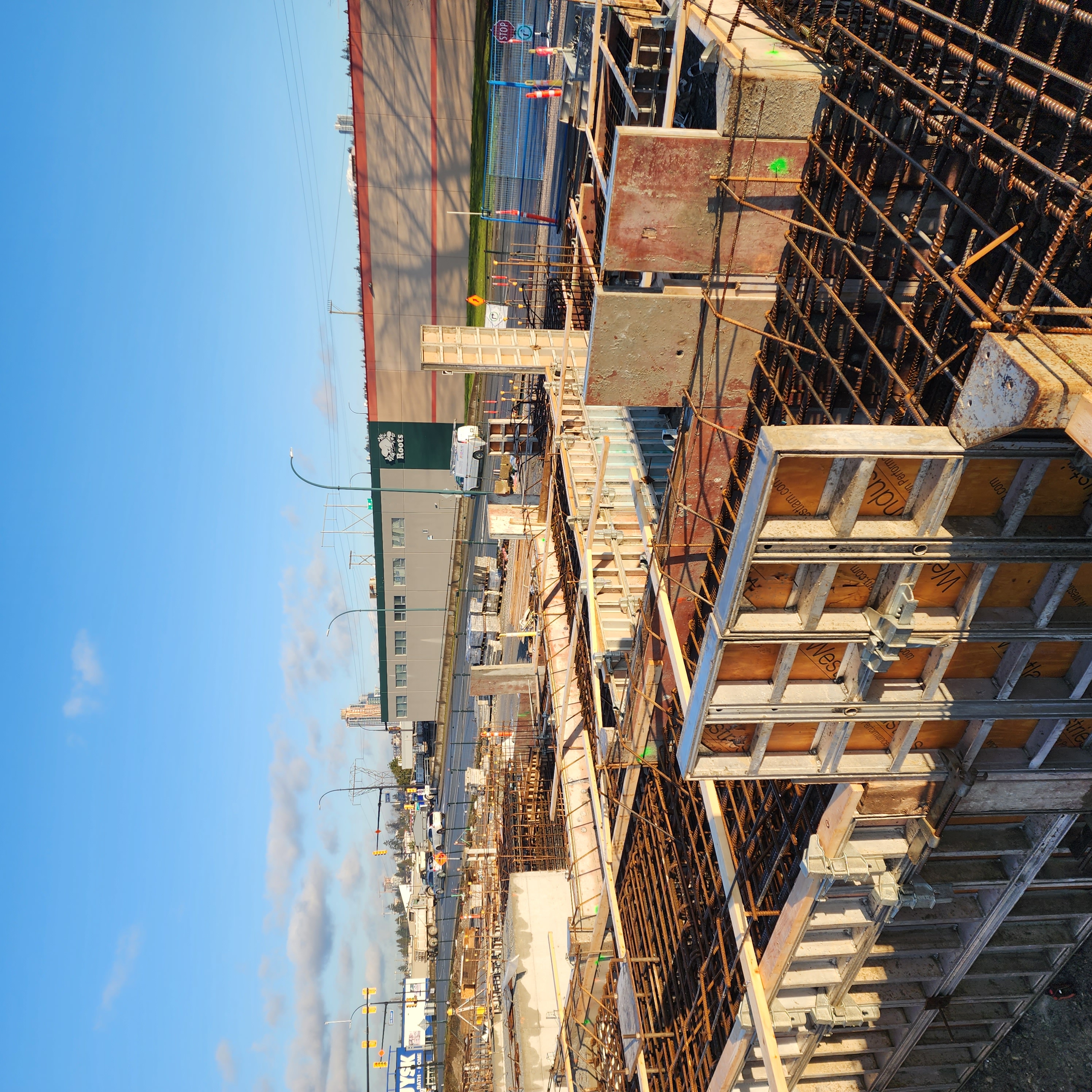
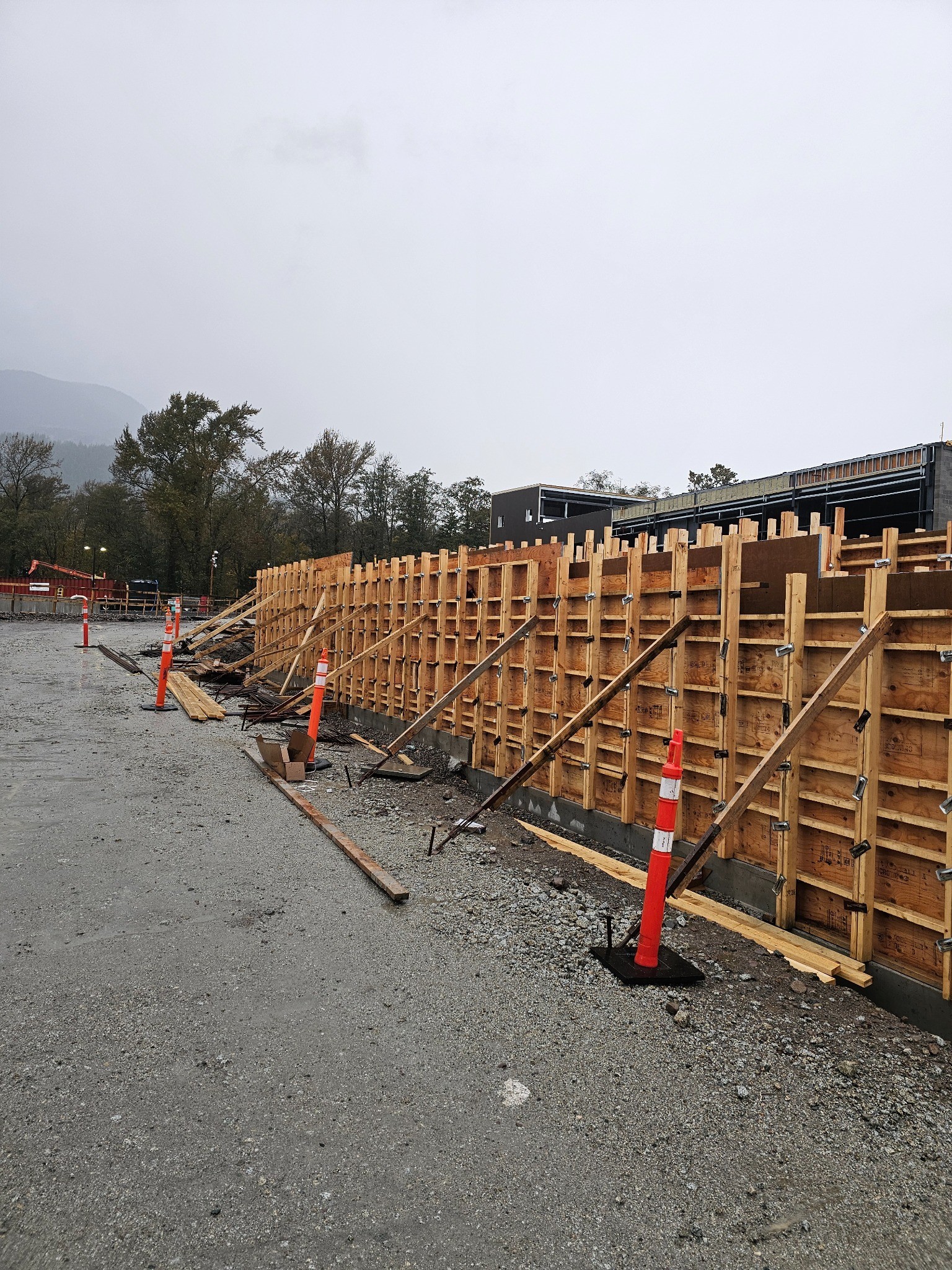
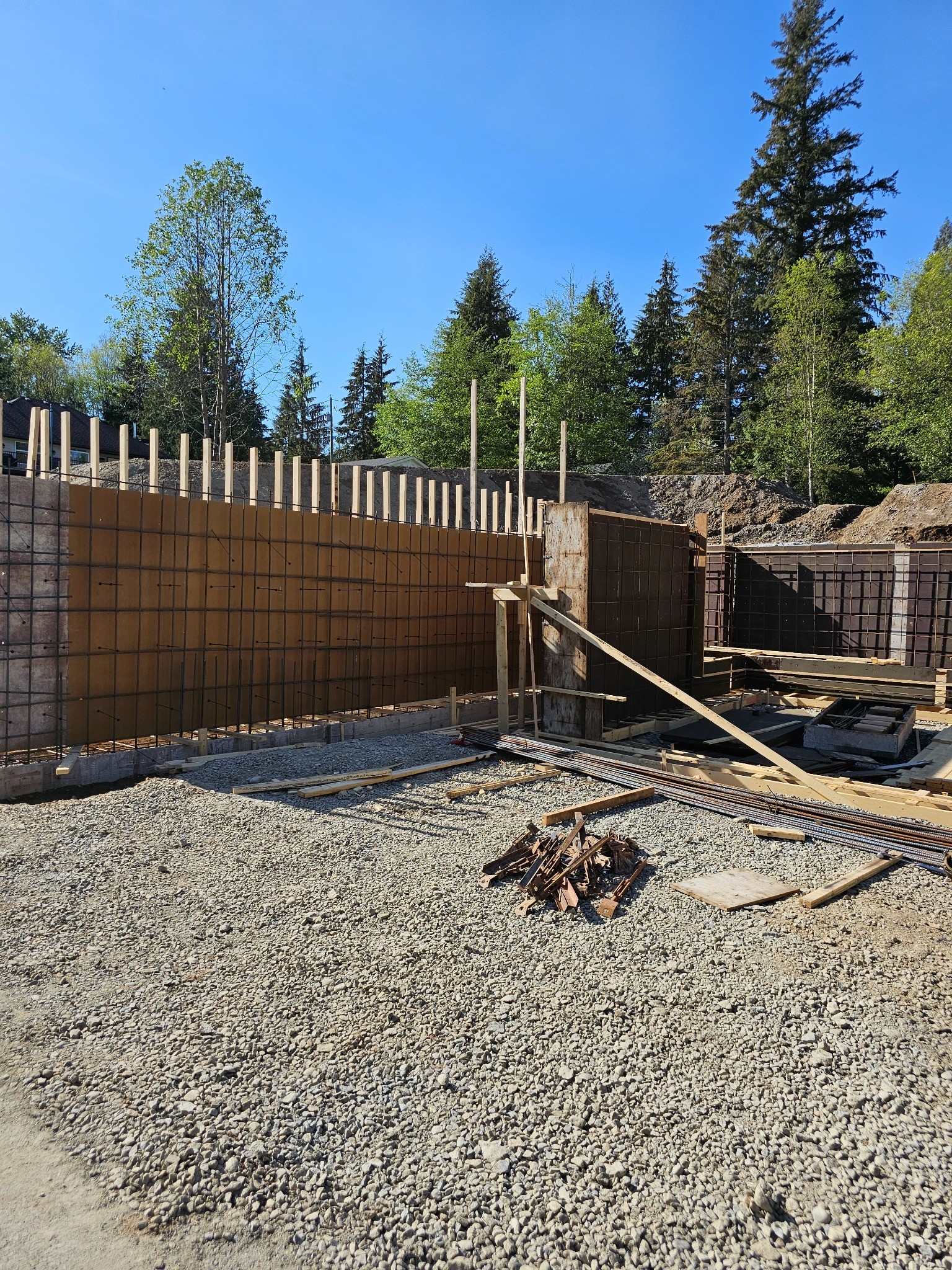
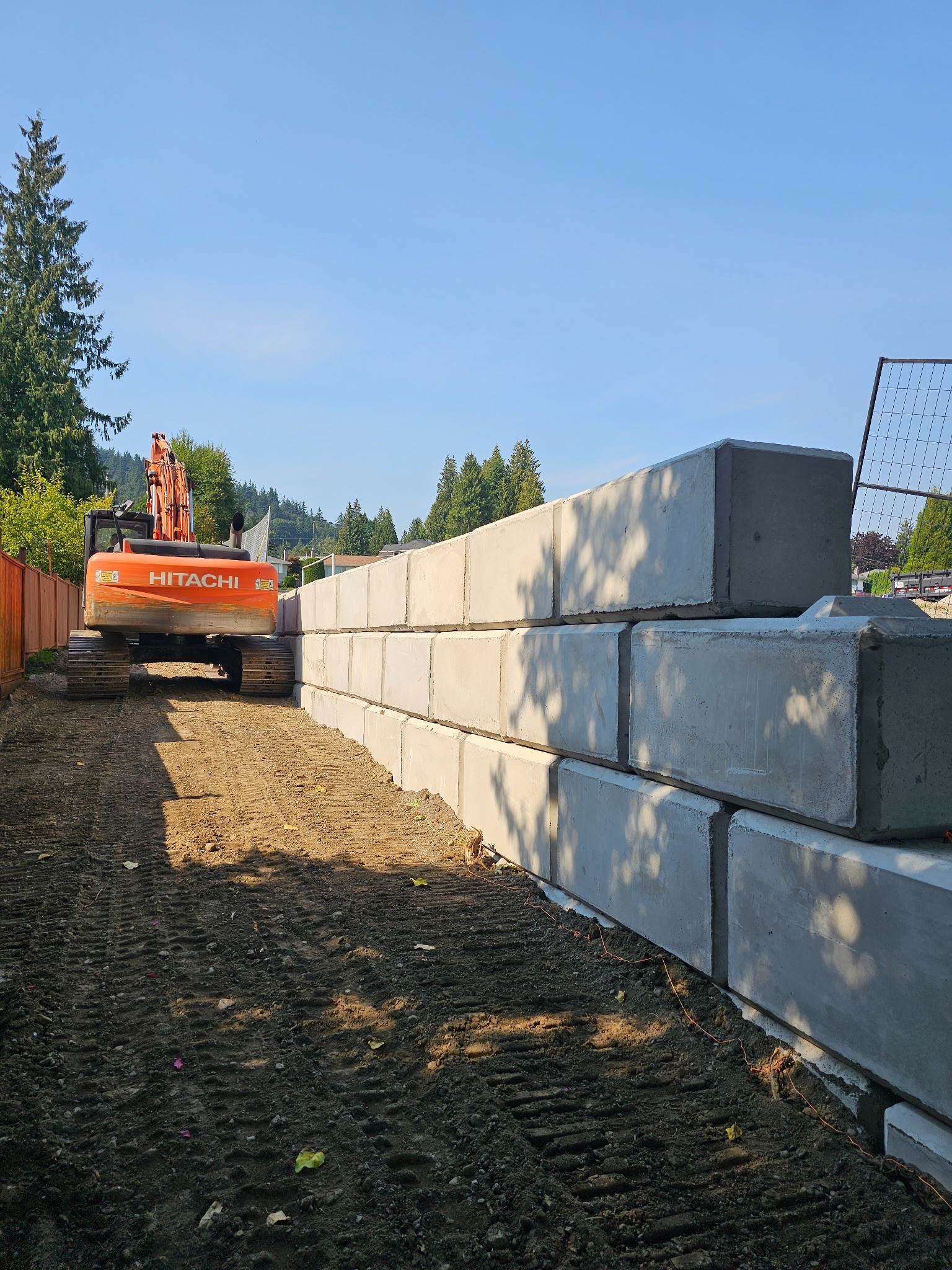
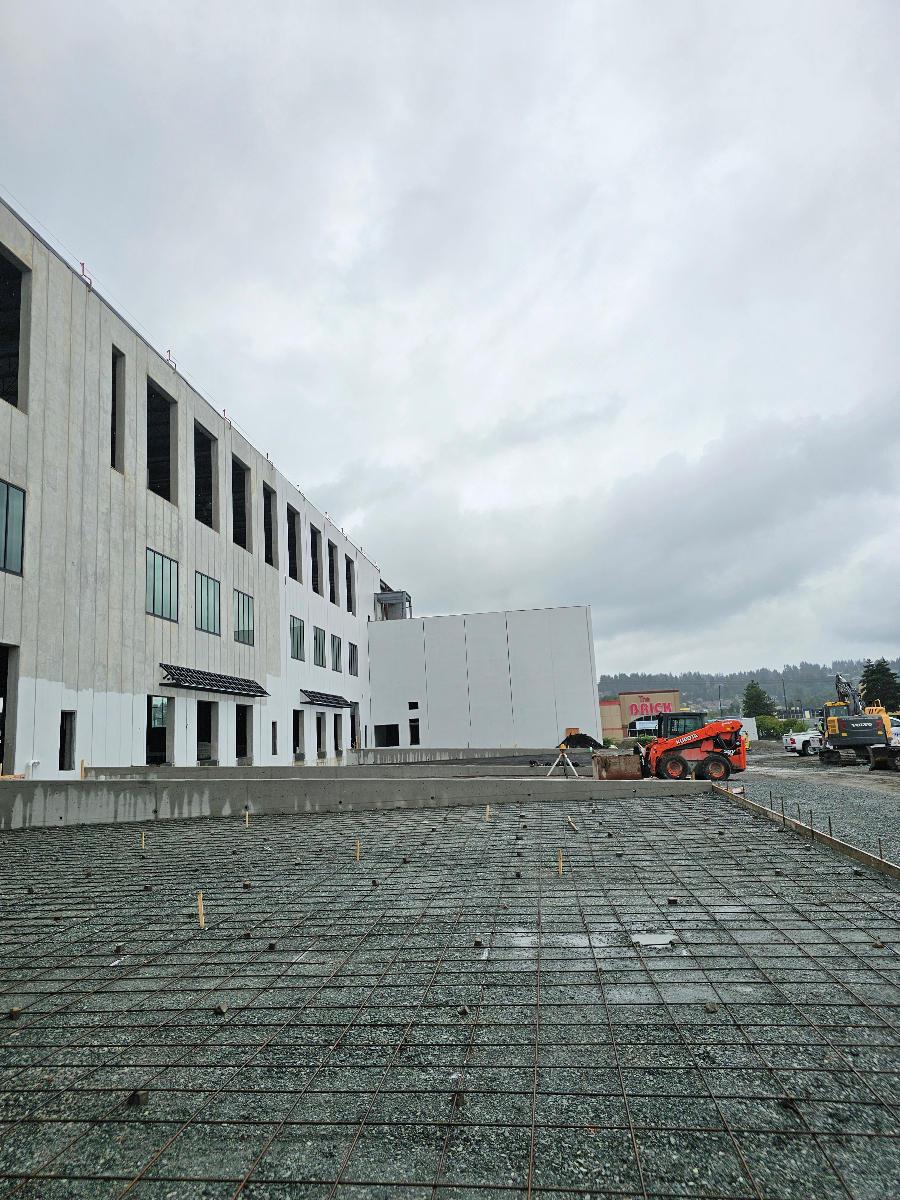
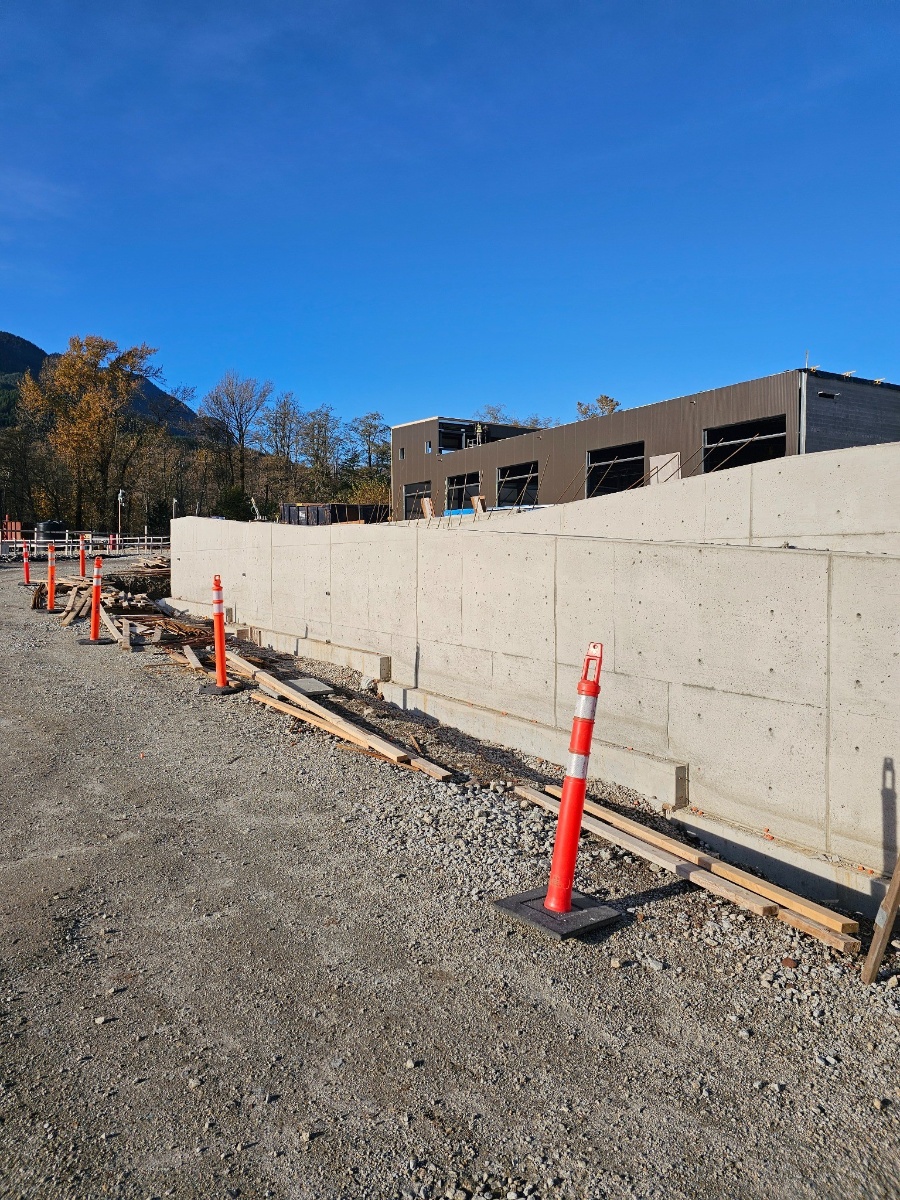
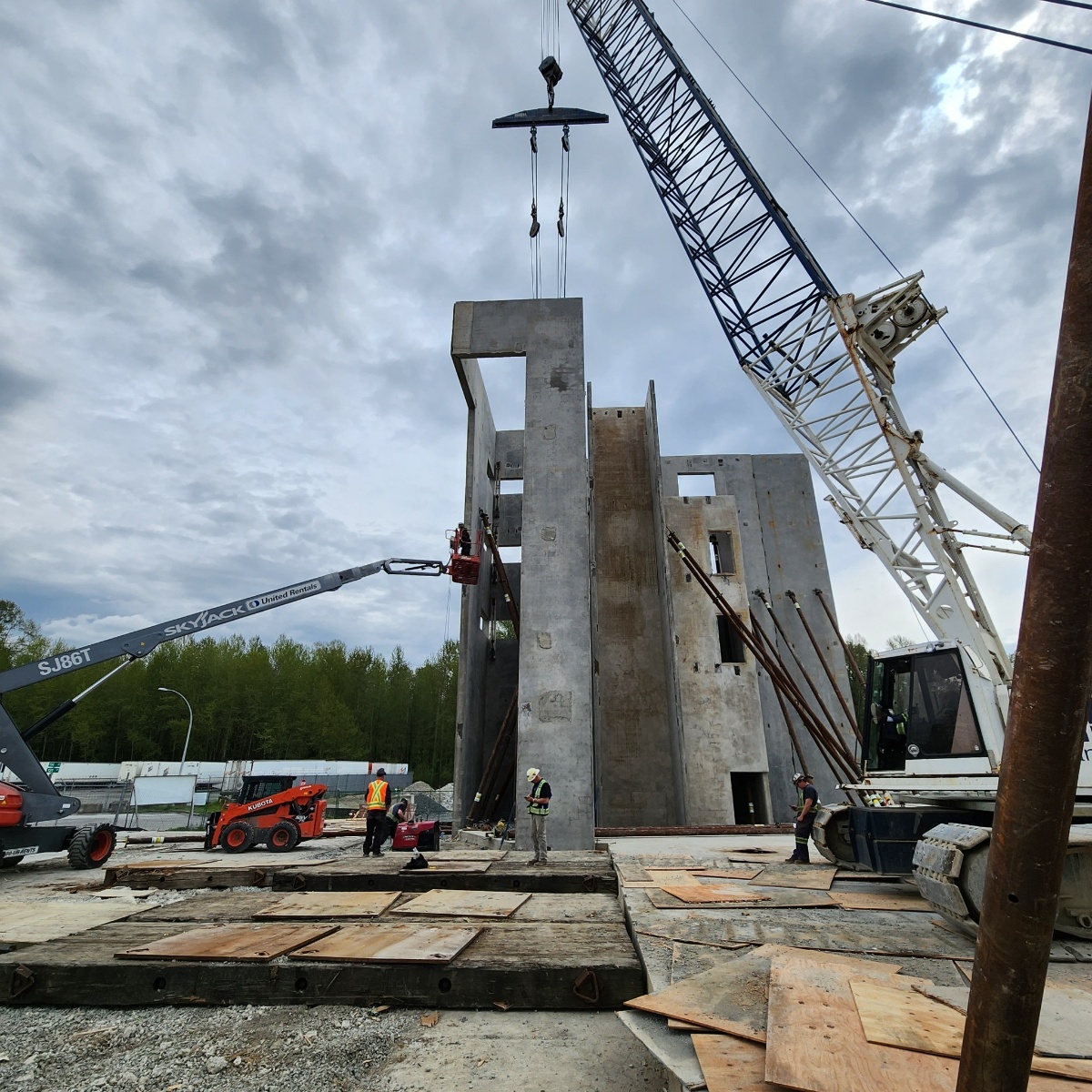
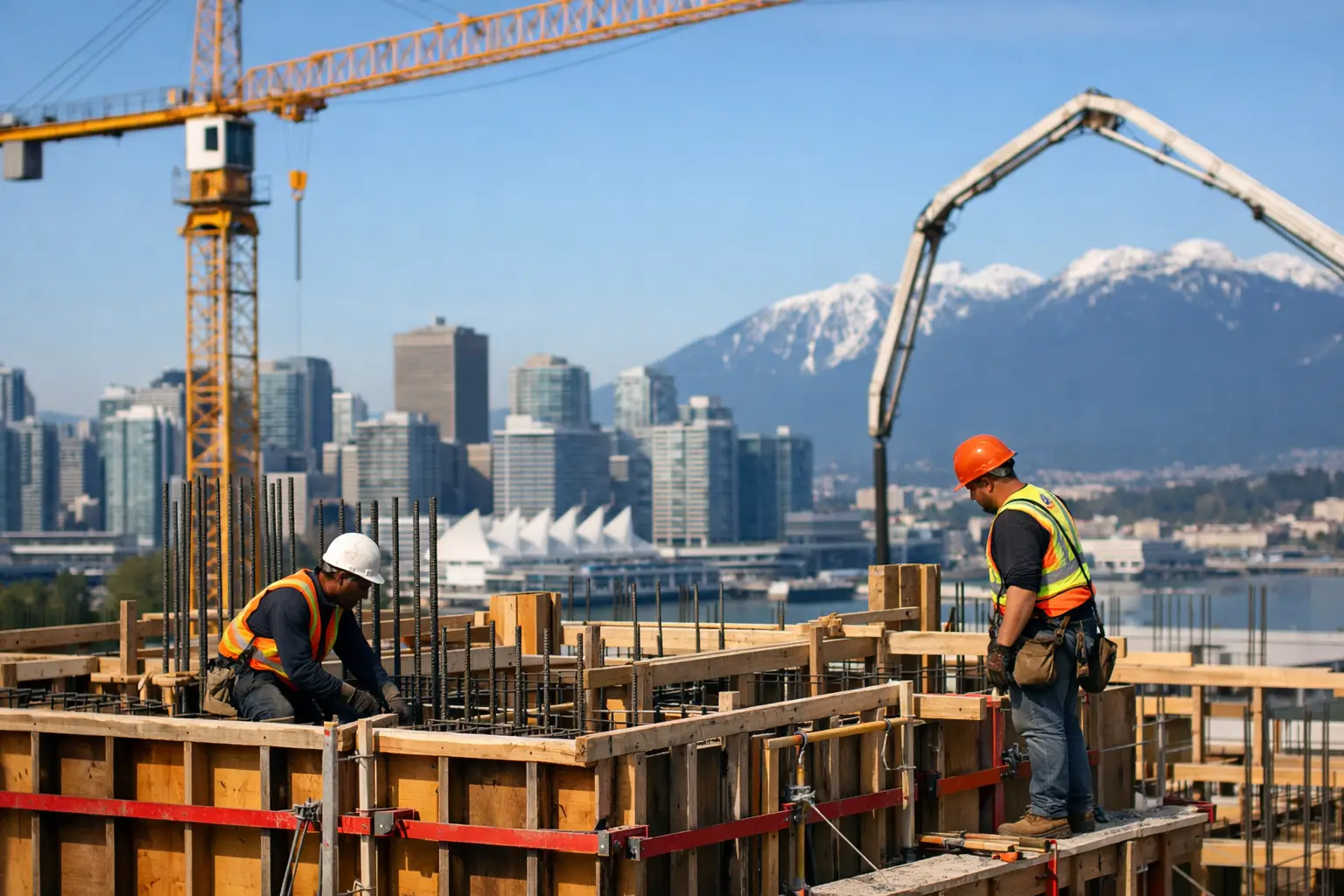
Concrete forming companies are specialist trade contractors responsible for building and bracing the temporary systems that hold wet concrete in place until it gains strength. That work can include foundation walls, footings, slabs, suspended slabs, columns, grade beams, retaining walls, elevator pits, and other structural components.
On a residential build, this may mean forming a new house foundation, garage slab, basement walls, or an addition. On a commercial or industrial project, it often extends to larger structural foundations, equipment pads, multi-level formwork, and more demanding site coordination. The scope changes by project type, but the core requirement stays the same - the formwork has to be accurate, stable, and ready for concrete placement without surprises.
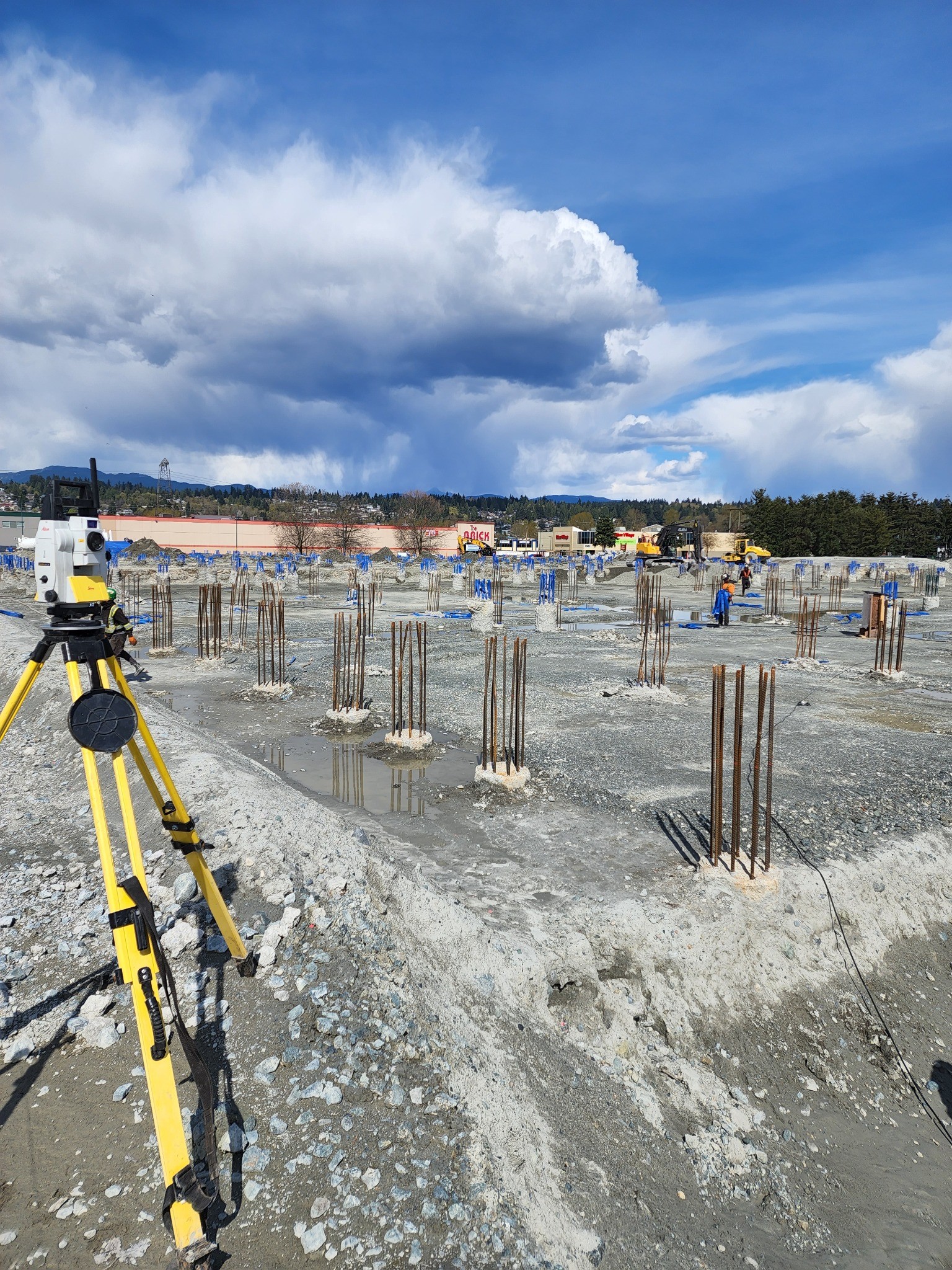
Good forming contractors also contribute well before the pour. They review drawings, confirm dimensions, identify access constraints, coordinate embed locations, and plan sequencing so rebar, excavation, pumping, and finishing can move efficiently. That front-end preparation is often what separates a clean pour day from a costly one.
Why concrete forming companies Vancouver clients choose matter
Vancouver projects come with conditions that make concrete work less forgiving. Site access can be tight, schedules can be compressed, and coordination between trades is often under pressure. Add weather exposure, varied soil conditions, and local code requirements, and the margin for error shrinks quickly.
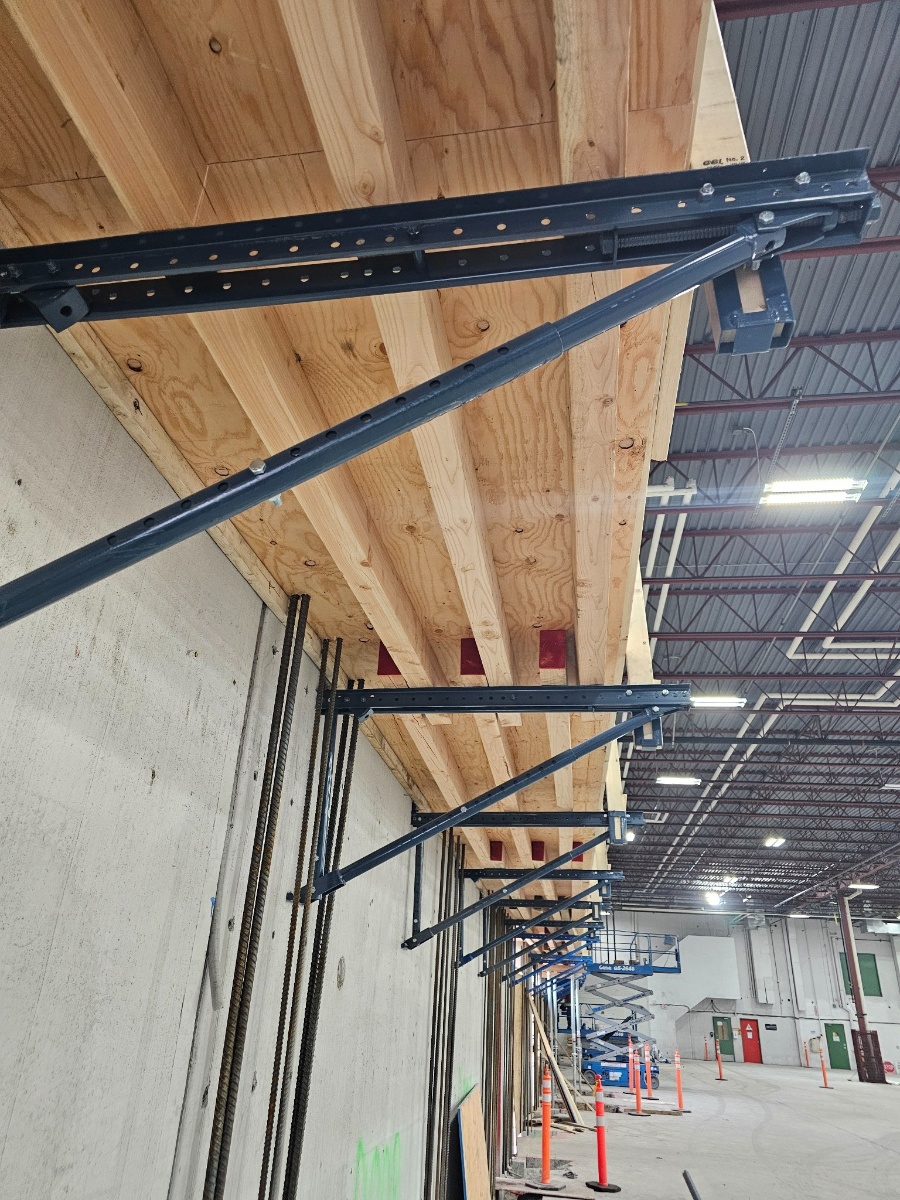
This is where specialist formwork matters. A dependable contractor understands that forming is not just carpentry on a job site. It is structural preparation. Footing elevations need to be right. Wall lines need to stay true. Bracing has to account for concrete pressure. Openings, penetrations, and embedded items need to be set where the next trade expects them.
A lower bid may look attractive early on, but if the work leads to rework, schedule delays, or dimensional corrections, the project cost rises fast. Reliable concrete forming companies Vancouver clients return to are usually the ones that protect the whole project, not just their own line item.
What to look for in a forming contractor
Experience matters, but relevant experience matters more. A contractor who performs well on straightforward residential footings may not be the right fit for a multi-phase commercial structure with tighter tolerances and more coordination points. The best fit depends on the scale, complexity, and sequencing demands of the job.
Look first at scope alignment. If your project includes foundation walls, suspended slabs, columns, or retaining structures, the contractor should be comfortable with that exact type of work. Ask how they approach layout verification, bracing, and pre-pour checks. Those answers tell you more than a sales pitch will.
Crew quality is another major factor. Concrete formwork depends heavily on field execution. Well-managed crews read plans carefully, maintain consistent dimensions, and understand how small setup errors turn into large downstream problems. They also keep the site organized enough for safe access and efficient inspection.
Communication is equally important. A strong forming contractor raises issues early, confirms details before installation, and coordinates with the general contractor, engineer, and concrete crew instead of making assumptions in the field. That kind of discipline helps prevent the most common avoidable mistakes.
The difference between basic formwork and precision formwork
Not all formwork is performed to the same standard. Basic formwork may be enough for a simple pad or low-risk structure where tolerances are more forgiving. Precision formwork is different. It is built around exact layout, stable bracing, clean dimensions, and reliable alignment because the structural element has to perform and fit as designed.
For homeowners, that precision affects everything from basement wall straightness to framing alignment above. For builders and developers, it influences how smoothly the structural shell progresses and how many corrections appear later. For industrial clients, it can affect equipment installation, anchor placement, and operational performance.
Precision also shows up in planning. The contractor should understand how the formwork sequence affects rebar access, concrete placement, stripping, curing, and follow-on scopes. Fast is useful only when it stays accurate.
Questions worth asking concrete forming companies Vancouver offers
Before awarding the work, ask practical questions tied to execution. What type of projects do they handle most often? How do they verify dimensions before the pour? Who supervises the crew on site? How do they manage changes or drawing conflicts? What is their process for coordinating openings, embeds, and specialty details?
You should also ask how they handle schedule pressure. Every contractor says they can meet deadlines. The better question is how they maintain form quality when access is difficult, weather changes, or another trade falls behind. The answer will show whether their process is built for real job conditions.
References and past project examples can help, but they are most useful when they resemble your job. A contractor may be excellent in one niche and average in another. Matching capability to project type is where good procurement decisions happen.
Residential, commercial, and industrial needs are not the same
Residential clients often focus on foundations, additions, garages, and basement structures. In that environment, accuracy still matters, but communication and site care are just as important. Homeowners want confidence that the work is being built correctly and that the crew respects the schedule and property.
Commercial work usually adds more coordination. Forming must align with structural drawings, inspection timing, rebar sequencing, and larger site logistics. Small errors can ripple into framing, steel, or mechanical work. The contractor needs to think beyond the pour itself.
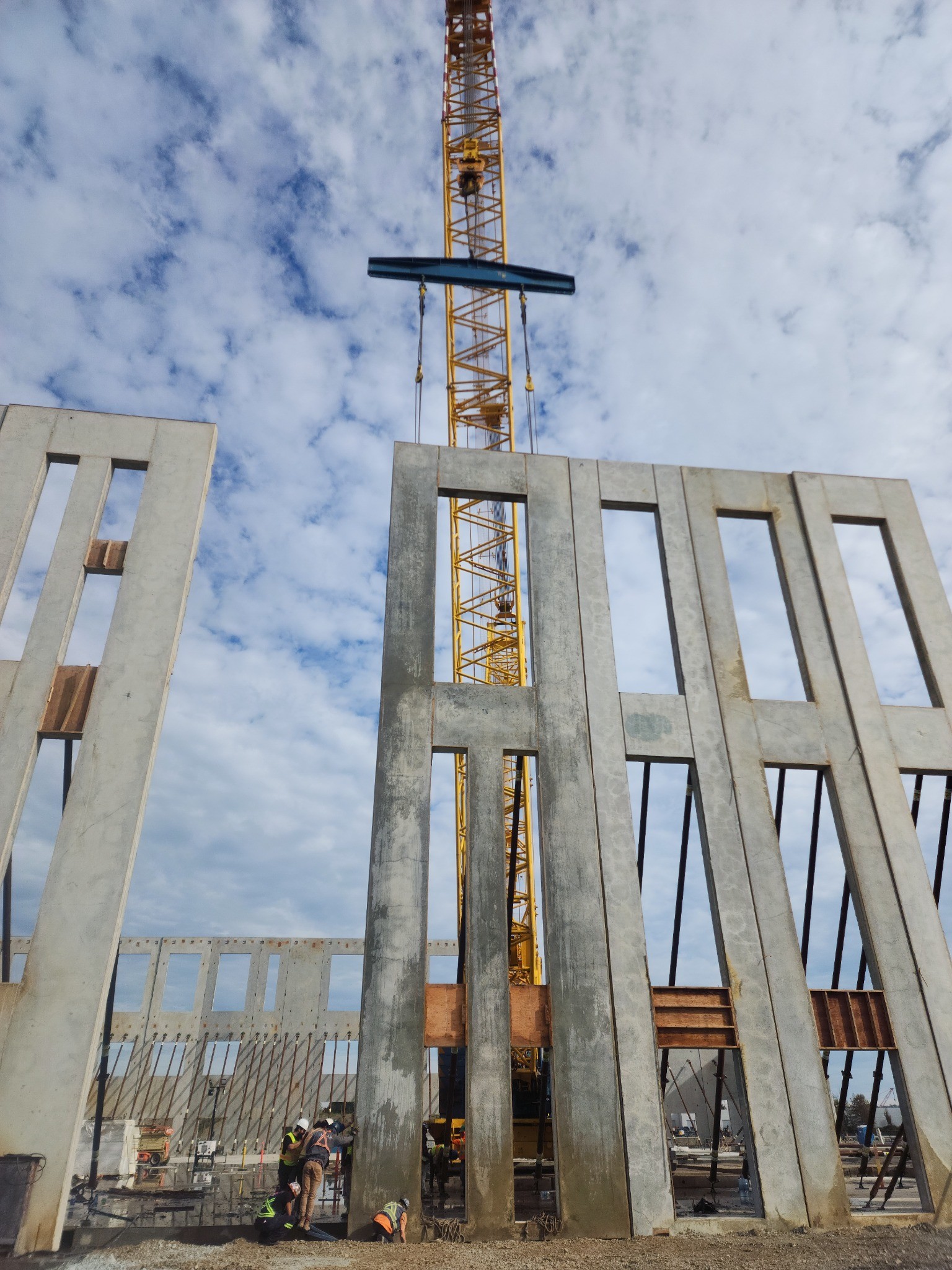
Industrial projects raise the bar again. Load requirements, equipment interfaces, and durable structural performance can make tolerances and detailing more demanding. In that setting, a specialist approach is often the safer choice because there is less room for field improvisation.
Why the cheapest bid can cost more
Concrete forming is one of the earliest structural trades on site, and that makes it tempting to treat it as a commodity. It is not. A bid that leaves out proper bracing, skilled supervision, layout control, or enough labor may save money on paper and lose it in the field.
The trade-off is simple. A lower upfront price may work on a basic project with flexible tolerances and a very clear scope. On a complex build, it often creates exposure. Rework, inspection failures, concrete corrections, and schedule slippage are expensive problems, especially once other trades are stacked behind the pour.
Value comes from a contractor who gets the work right the first time, communicates clearly, and performs with consistency. That is usually what owners and builders remember after the project is complete.
A specialist approach to concrete forming
A specialist contractor brings more than labor to the site. They bring process, technical judgment, and accountability in a trade where small errors become permanent structural issues. That is the reason many clients prefer to work with a dedicated forming company instead of relying on a broader contractor to absorb the scope.
For projects in Vancouver, that approach matters. Site conditions vary, schedules move fast, and structural work has to be accurate from day one. A company such as Precision Concrete Forming Co., through https://Keystone-construction.ca, reflects the value of a focused trade partner - one built around precision, quality workmanship, and dependable execution rather than general coverage.
The right forming contractor does not just build forms. They help set the project up for a cleaner structure, better coordination, and fewer costly corrections once the concrete is in place.
If you are comparing concrete forming contractors, look past the surface. The best choice is usually the company that understands your structure, controls the details, and treats every pour like the rest of the project depends on it - because it does.