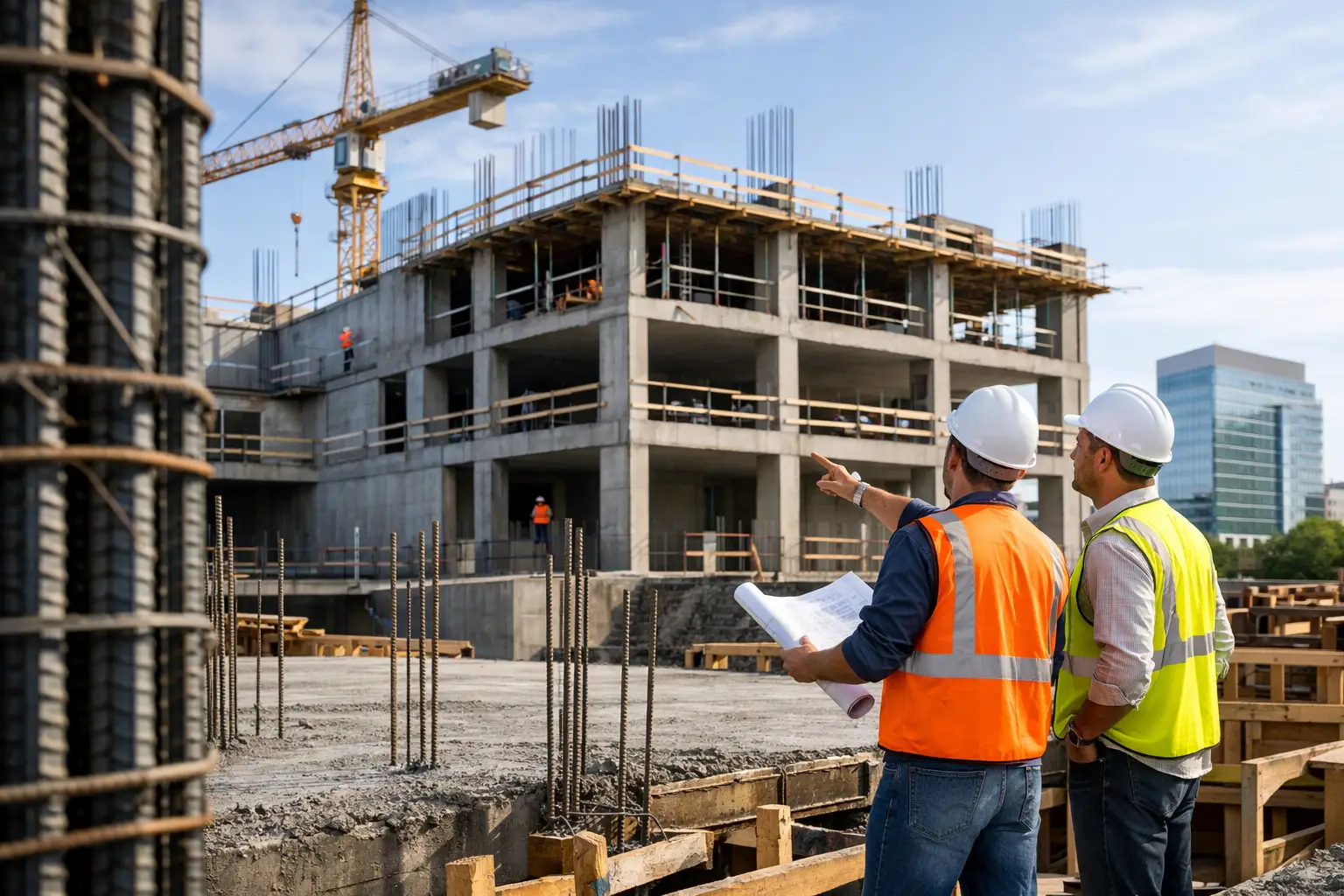
Commercial concrete construction gets judged long before a building is finished. If slabs are out of tolerance, walls are misaligned, or embeds are missed, every trade that follows feels it. That is why the forming stage matters so much. It sets the geometry, load path, finish quality, and schedule discipline for the work that comes next.
For builders, developers, and project managers, concrete is not just another scope line. It is a structural system that has to perform under real site conditions, real timelines, and real inspection standards. Good results come from precise layout, disciplined formwork, and crews that understand how commercial projects behave in the field.
What commercial concrete construction really demands
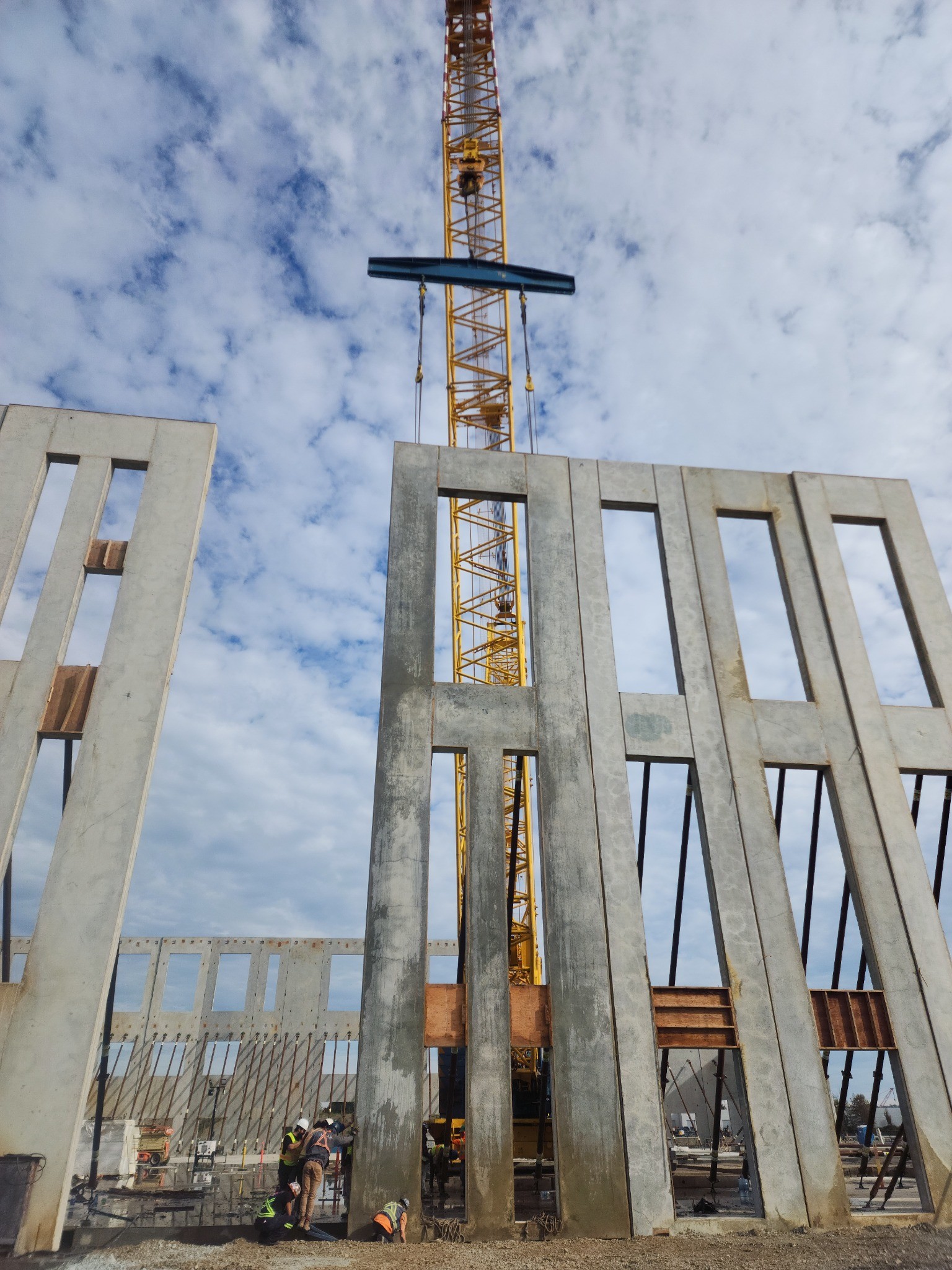
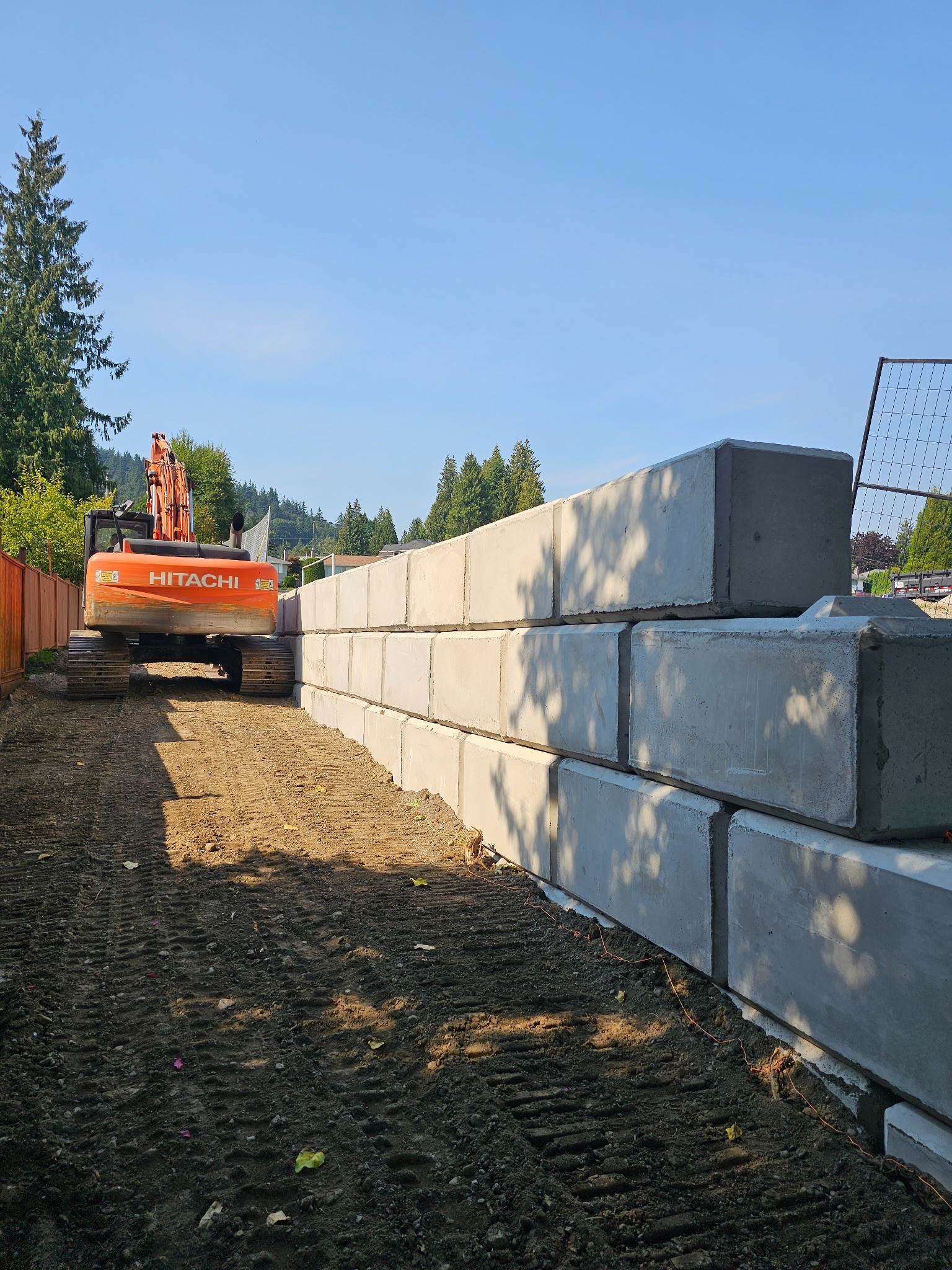
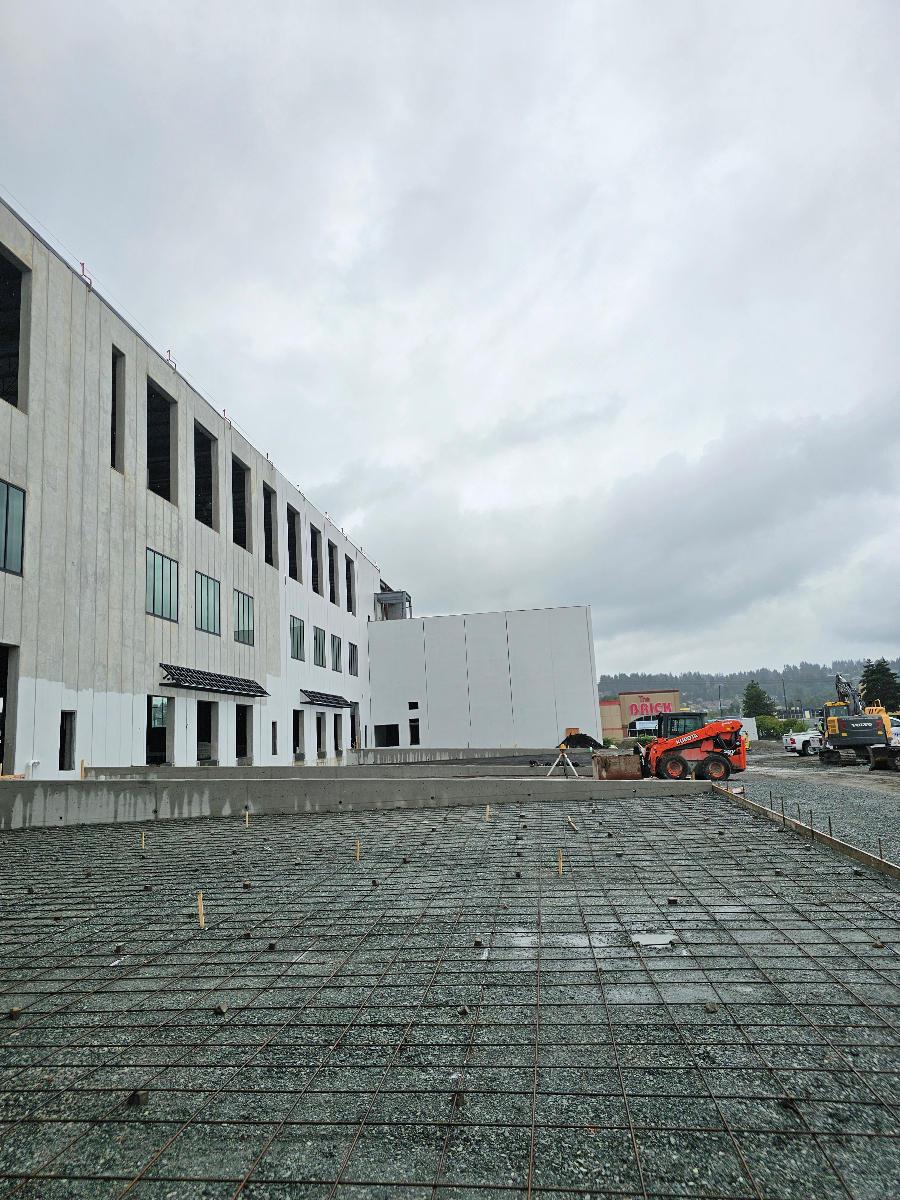
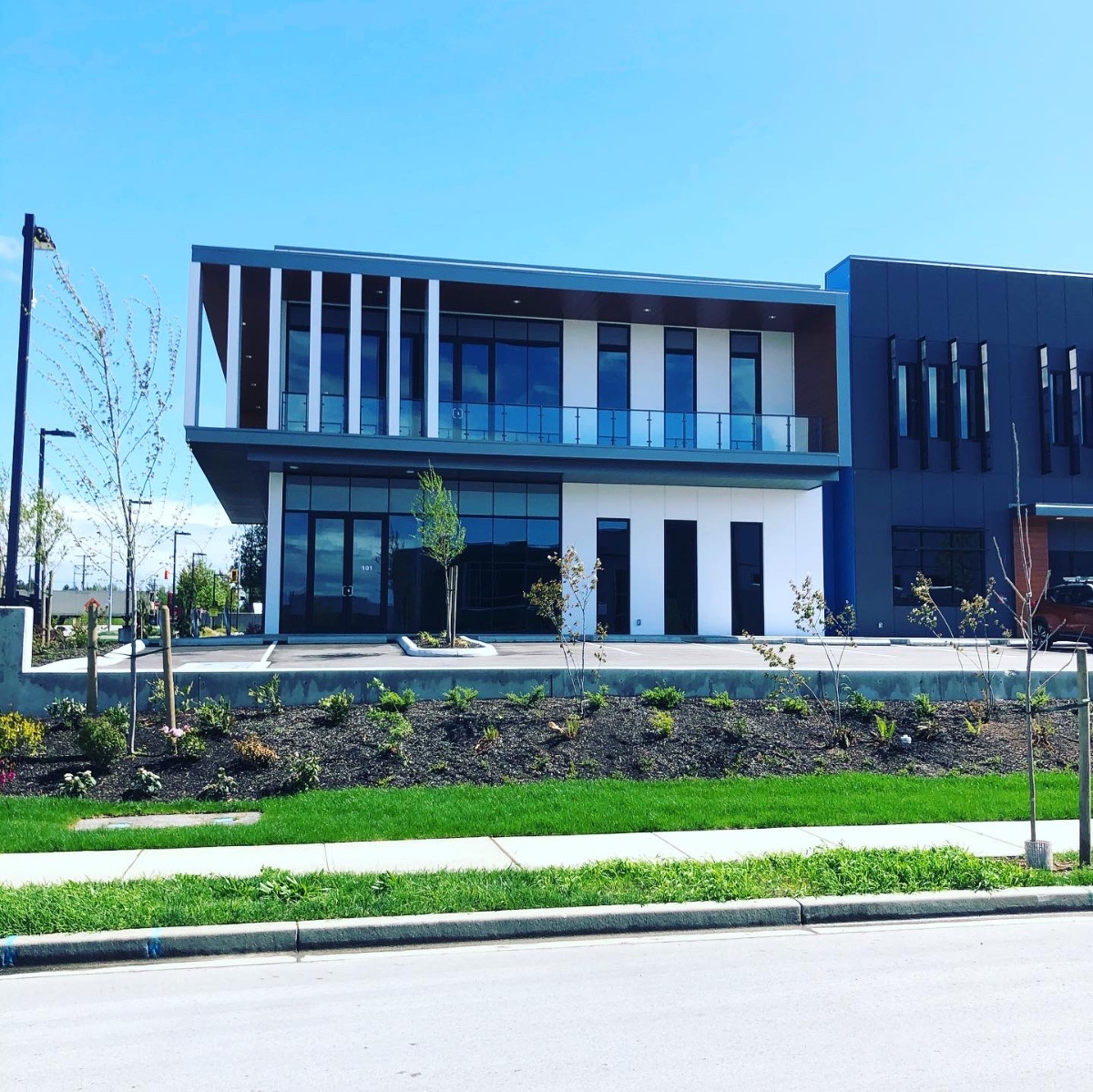
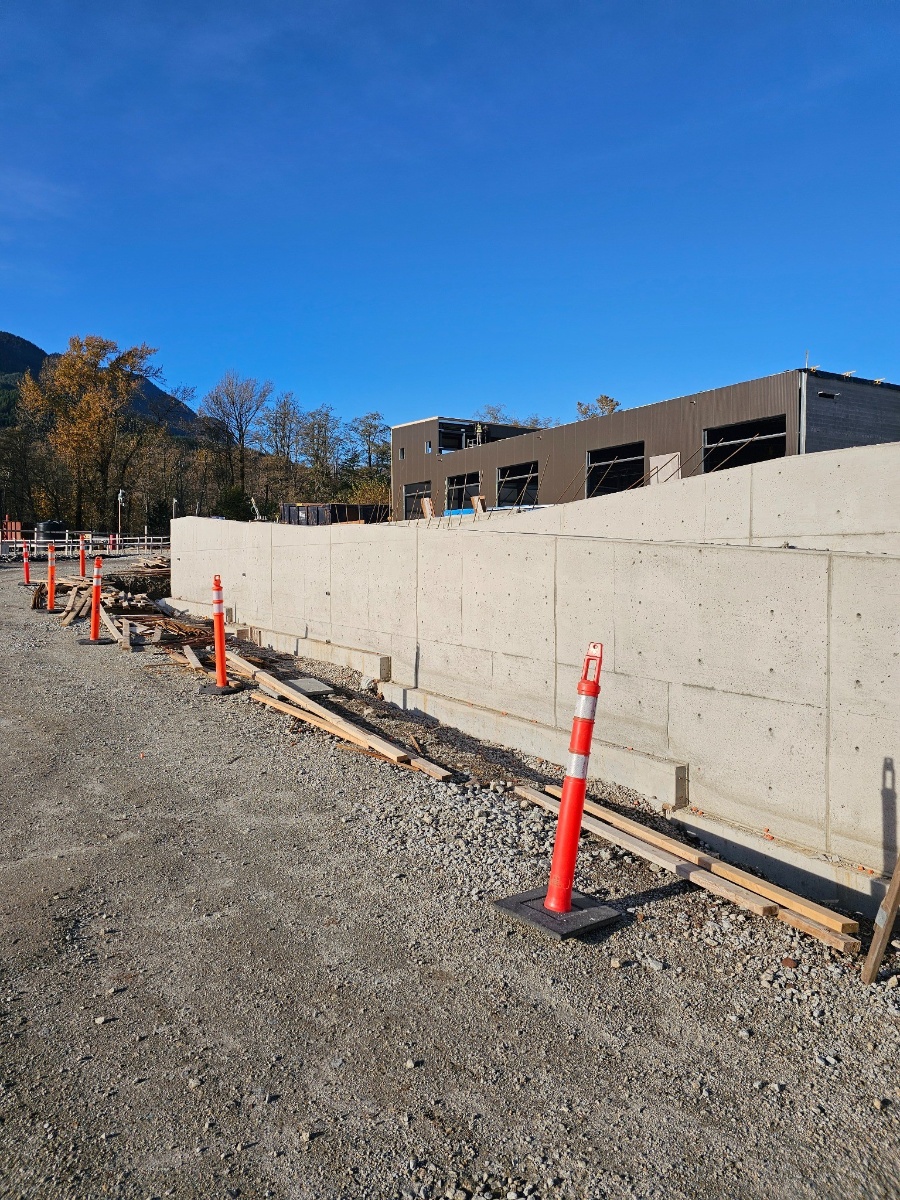
Commercial work is different from small-scale residential pours because the margin for error is tighter and the coordination is heavier. Structural loads are higher, tolerances are often stricter, and the sequencing between trades is less forgiving. A warehouse slab, a retail foundation, a parkade wall, and a multi-unit building podium all place different demands on forming and placement.
That means success depends on more than getting concrete into place. Forming has to account for dimensions, elevations, reinforcement clearances, penetrations, anchor locations, and the practical reality of how the site will be accessed and poured. If one part of that chain slips, the cost usually shows up later in delays, patching, rework, or conflicts with steel, framing, mechanical, and envelope trades.
Commercial concrete construction also needs a contractor who can read drawings with a field mindset. Plans may define the structure, but execution depends on knowing where tolerances are critical, where sequencing creates risk, and where small decisions during formwork setup affect the final result.
Why formwork is the backbone of quality
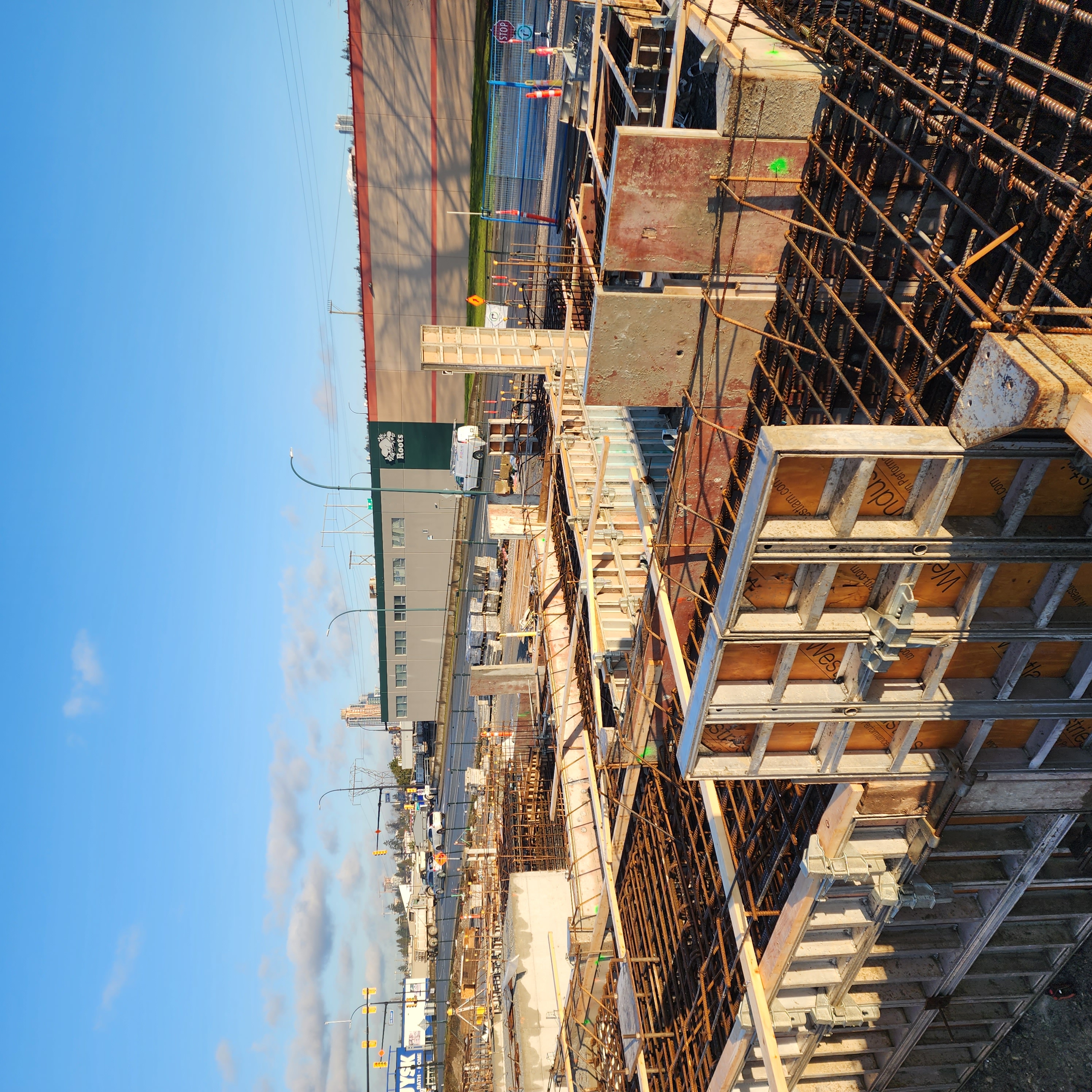
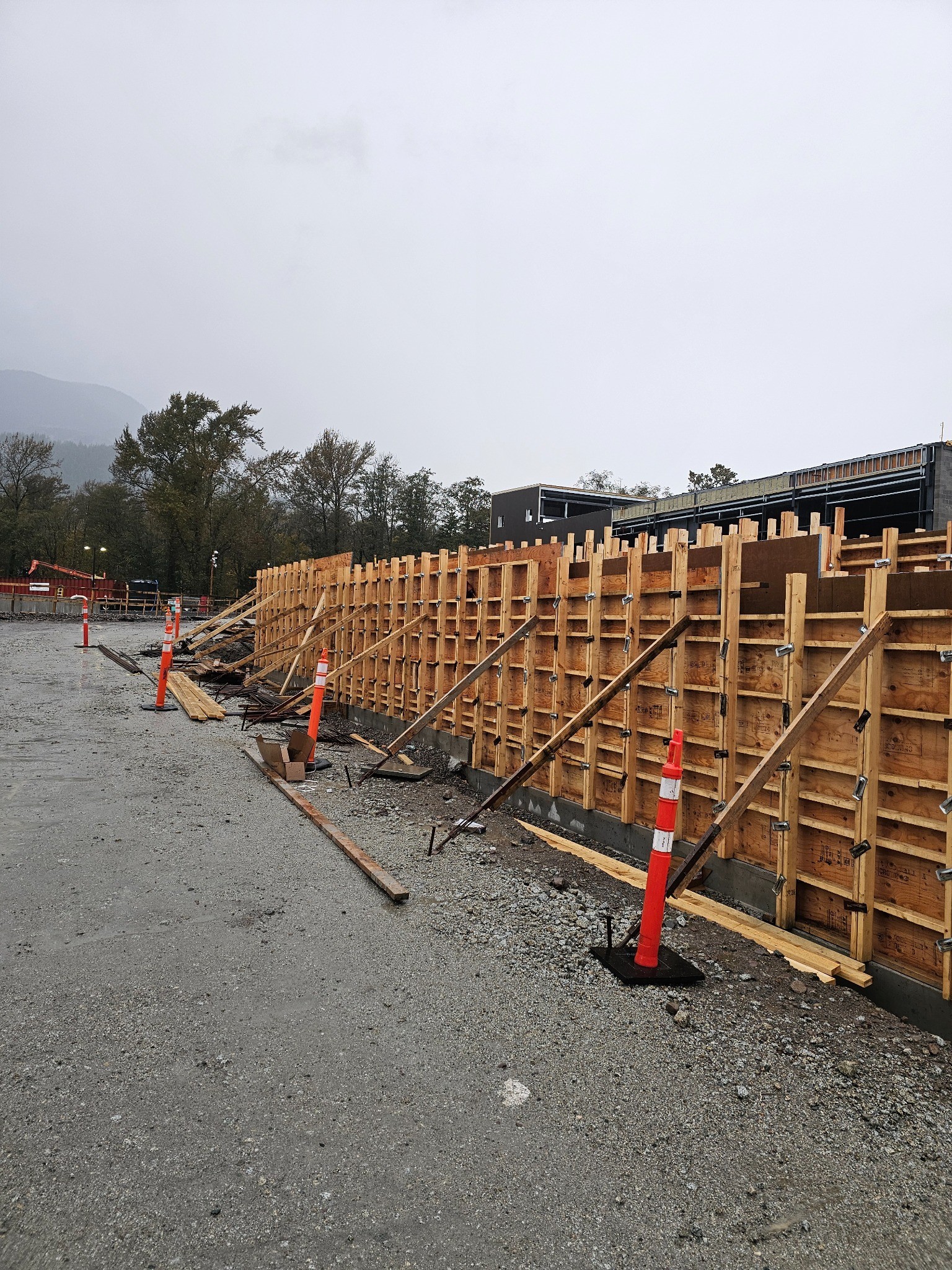
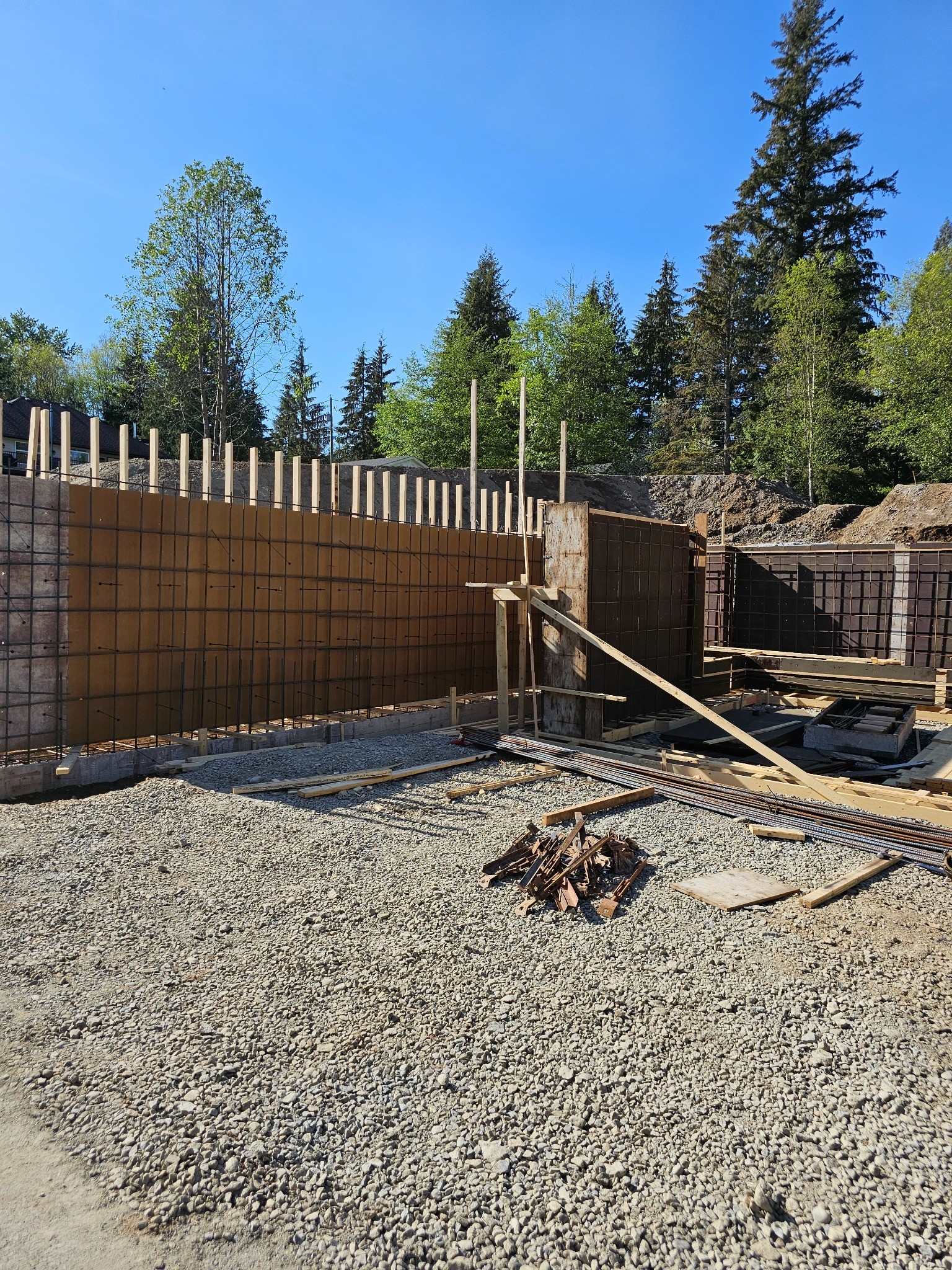
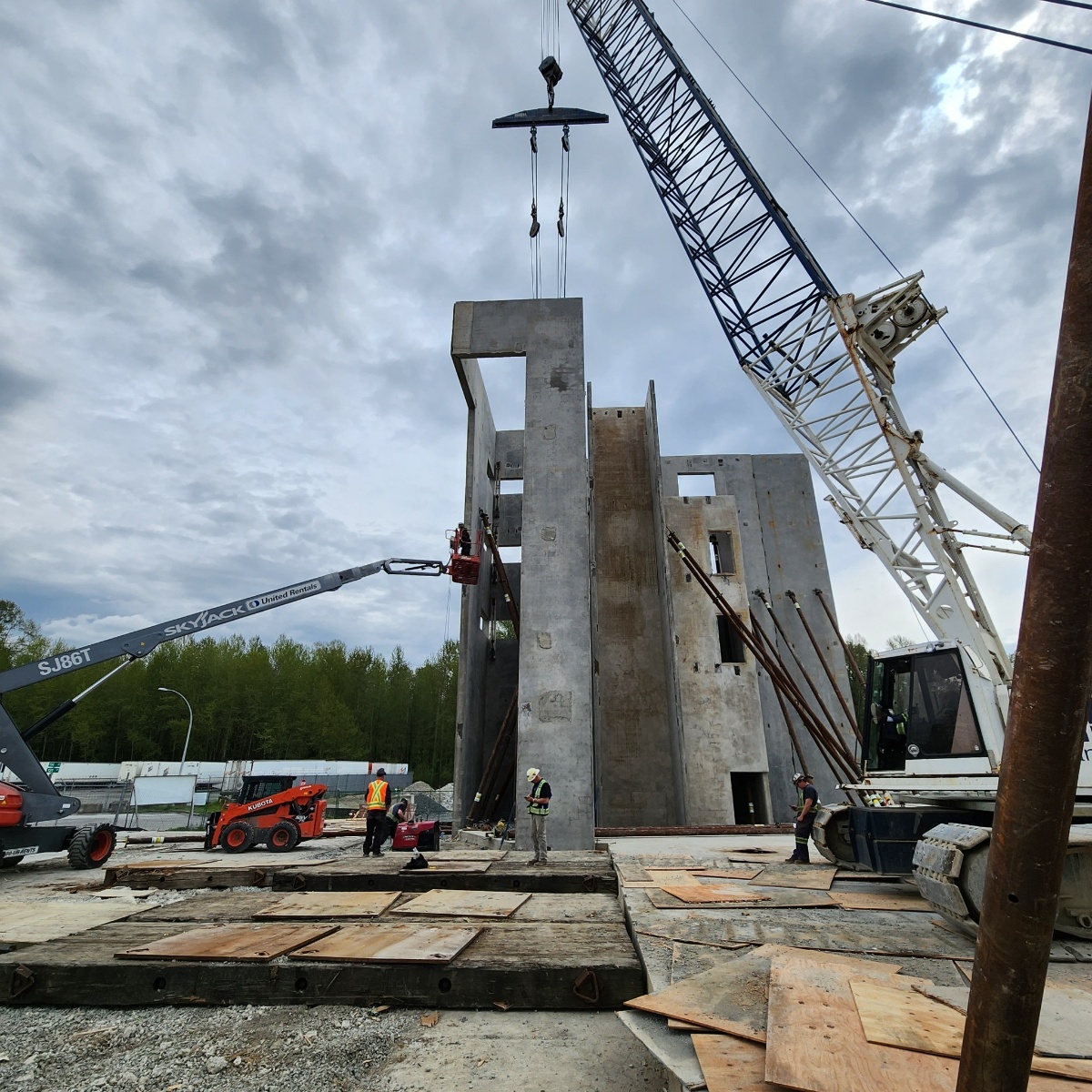
Concrete gets the attention, but formwork controls the outcome. The line of a wall, the squareness of a column, the elevation of a slab, and the consistency of a foundation all start with how the forms are built, braced, and checked before the pour.
On commercial sites, formwork has to do several jobs at once. It must hold shape under load, maintain dimension through placement, and allow the crew to work efficiently without compromising safety or quality. That takes planning and trade knowledge, not guesswork.
A well-executed forming package supports more than structural accuracy. It helps maintain schedule certainty. When forms are laid out correctly and reviewed thoroughly, the pour is more controlled, stripping is cleaner, and follow-on work can start with fewer corrections. That matters on projects where each day affects multiple subcontractors.
Structural accuracy affects every downstream trade
Concrete errors rarely stay isolated. A wall that is out of plumb can affect framing and cladding. A slab with poor elevation control can create problems for interior partitions, door thresholds, drainage, equipment installation, and finish materials. Missed sleeves or embeds can force destructive changes after the fact.
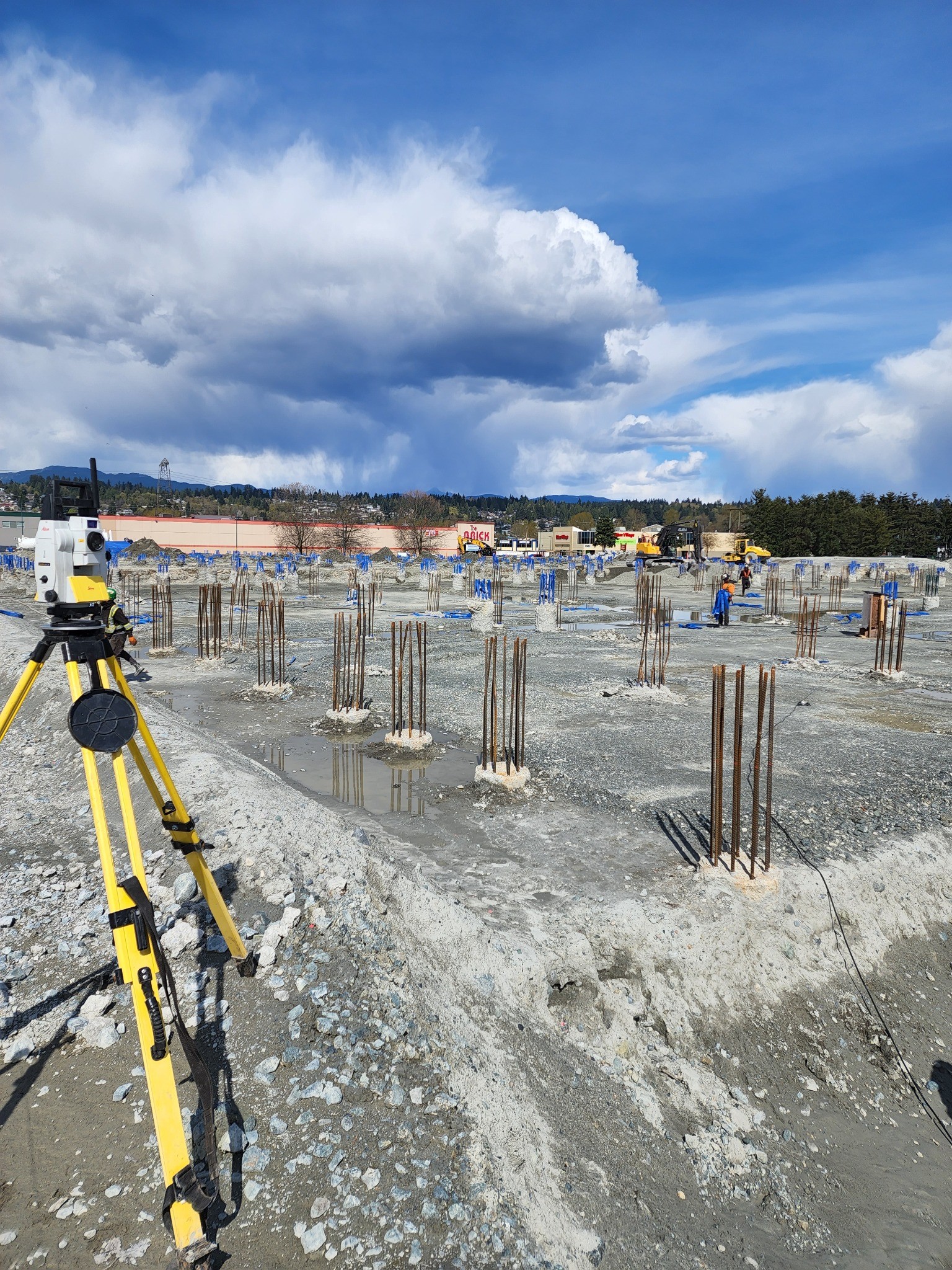
That is why experienced commercial concrete crews focus on details that are easy to underestimate at bid time. Control lines, benchmark verification, rebar spacing, opening locations, and pour sequencing all deserve attention before concrete arrives. Fixing a mistake in wet concrete is difficult. Fixing it after cure is expensive.
Planning separates reliable projects from reactive ones
Commercial concrete work rewards preparation. Site conditions, weather exposure, crane access, pump setup, forming sequences, curing requirements, and inspection timing all influence how the work should be staged. There is no single formula that fits every project.
For example, a tight urban site in Metro Vancouver may require careful material staging and phased pours because access is limited. A larger industrial site may offer more room but introduce heavier loading requirements, deeper foundations, or more demanding slab performance criteria. In both cases, the contractor needs to plan around the structure and the site, not just the drawings.
The strongest concrete operations are usually the ones that identify constraints early. If excavation tolerance is inconsistent, if underground coordination is incomplete, or if reinforcement inspections are likely to affect the pour date, those issues should be addressed before they become field delays. Reliable execution is often a sign of strong pre-pour discipline.
Commercial schedules rarely leave room for rework
Most commercial projects are built on stacked timelines. Concrete affects structural framing, building envelope, interior work, site servicing, and occupancy milestones. When a forming issue delays a pour or causes rework, the impact can spread quickly.
That does not mean speed should outrank quality. In practice, rushing formwork usually costs more time than it saves. The better approach is controlled production - clear layout, competent crews, strong supervision, and consistent checks at each stage. That is how quality and schedule support each other.
Common problem areas in commercial concrete construction
Several issues tend to show up repeatedly on commercial projects. One is incomplete coordination between structural drawings and site conditions. Another is underestimating how much precision is required for openings, embeds, and slab elevations. A third is poor communication between trades when multiple scopes overlap around the same pour.
There are also trade-offs that need to be managed honestly. Faster form cycling can improve production, but only if the structure, curing conditions, and crew capacity support it. Larger pours may reduce mobilization time, but they can also increase placement risk if access, finishing, or weather conditions are not ideal. The right choice depends on the project, not a generic rule.
Material and finish expectations matter too. Not every commercial surface requires the same appearance standard, and not every structural element needs the same forming strategy. A below-grade foundation wall, an exposed architectural face, and a heavy-duty equipment slab should not be approached as if they are interchangeable scopes.
Choosing the right contractor for commercial concrete construction
The right contractor brings more than labor. They bring discipline to layout, formwork, staging, and quality control. On a commercial project, that often matters more than a low number on paper.
A specialist contractor should be able to speak clearly about foundations, walls, columns, slabs, and the forming methods required for each. They should understand how reinforcing, embedded items, and tolerances affect buildability. Just as important, they should be able to coordinate with the general contractor and other trades without turning basic field issues into costly schedule events.
You are looking for consistency. Can the crew hold line and grade? Can they build forms that remain stable under load? Do they understand inspection readiness and sequencing? Do they treat formwork as a structural setup process rather than a temporary step to rush through? Those are the questions that usually tell you what the finished concrete will look like.
What dependable execution looks like on site
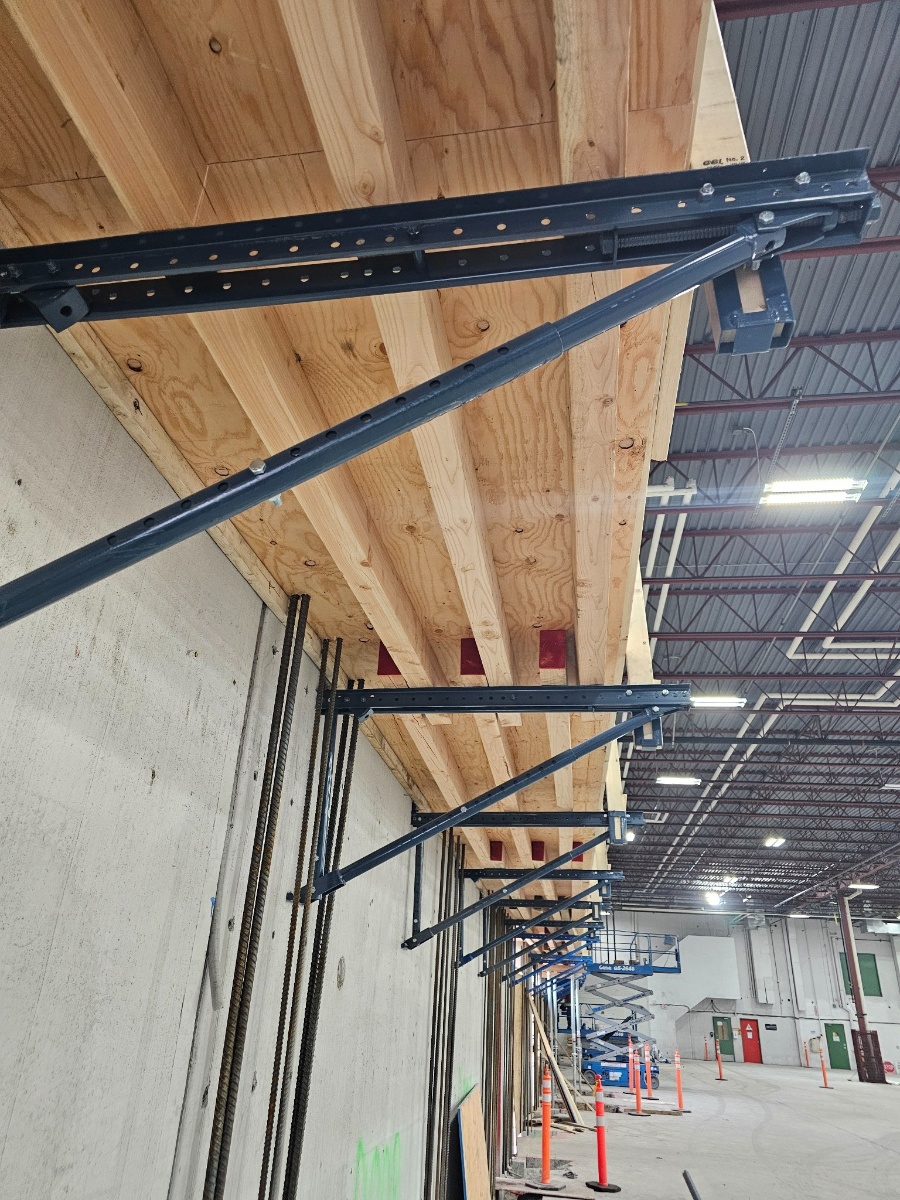
Dependable execution is visible in the details. Layout is checked before forms are closed. Bracing is installed with purpose. Openings are confirmed against current drawings. Elevations are reviewed before placement, not after. The crew understands where tolerance matters most and works accordingly.
It also shows in communication. Strong commercial concrete contractors raise issues early, document changes clearly, and stay aligned with site supervision. That helps keep the project moving and reduces friction between trades.
For clients who need concrete forming expertise across commercial, residential, and industrial scopes, Keystone Construction Ltd. approaches the work as a specialist trade - with precision, build quality, and structural reliability at the center of execution.
Long-term performance starts at the forming stage
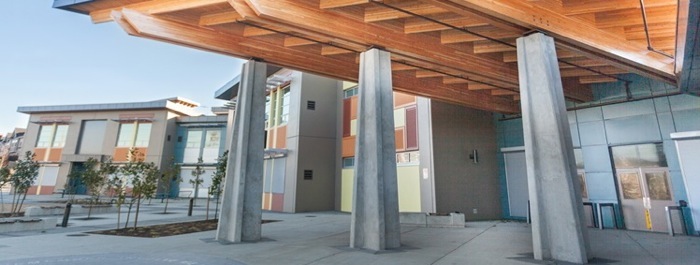
Commercial concrete is expected to carry load, resist movement, and provide a stable base for the life of the building. That performance starts well before curing is complete. It starts when forms are set accurately, reinforcement is placed correctly, and the pour is executed under controlled conditions.
There is no substitute for disciplined workmanship in this phase. Good formwork protects structural intent. Good planning protects schedule. Good execution protects both.
If you are evaluating a commercial concrete scope, it helps to look past the pour itself and focus on what makes the result dependable. The contractors who treat forming as a precision operation are usually the ones who deliver concrete that stays on spec, supports the trades that follow, and holds up where it matters most.